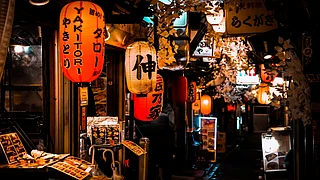


There is something about a Japanese coffee shop that feels as though it belongs in a novel. Imagine an ageing proprietress making coffee in glass vessels behind a wooden counter; old jazz records playing in the background; a plate of egg sandwiches arriving alongside a porcelain cup. Outside, Tokyo rushes past in neon and steel. Inside, time seems to have misplaced its watch. It is easy to feel as though you have stepped into a Haruki Murakami novel and found yourself in a scene where the ordinary is just a little mysterious.
This is the world of the kissaten, Japan’s traditional coffee houses, where the experience extends well beyond what is in your cup. From painstakingly brewed coffee and retro interiors to the latest specialty coffee bars, Japan has developed a drinking culture that combines Western influences with its own ideas of hospitality, craftsmanship and quiet contemplation. Here, a cup of coffee can be a quick caffeine fix, an afternoon ritual or a perfectly good reason to sit still for an hour.
A Bean By Any Other Name
Japan may be associated with tea ceremonies, but its relationship with coffee stretches back several centuries. Dutch traders introduced the beverage through Nagasaki, particularly the trading settlement of Dejima, during the Edo period. For a long time, however, coffee remained a foreign curiosity rather than an everyday drink.
Its fortunes changed during the Meiji era (1868–1912), when Japan opened itself more widely to Western ideas and customs. In 1888, Tei Ei-kei, also known as Tsurukichi Nishimura, opened Kahi Chakan in Tokyo’s Ueno district. Inspired by European coffee houses, he created a gathering place with newspapers, books, billiards and other amenities. It attracted intellectuals and those curious about the changing world, although it closed within five years.
Coffee was still expensive, but the idea had taken root. In 1911, Café Paulista opened in Ginza, helping extend coffee-house culture beyond its earliest circles. By the early 20th century, these establishments were becoming places where artists, students and young urbanites could meet, read and exchange ideas.
The Japanese coffee house was beginning to acquire a character of its own.


The Kissaten Connection
The word kissaten (喫茶店) literally translates to a tea-drinking shop, but these establishments became closely associated with coffee. Their appeal lay as much in the atmosphere as in the menu. Dark wooden furniture, vintage clocks, velvet seats, subdued lighting and carefully chosen crockery created spaces that felt removed from the demands of everyday life.
After the Second World War, the kissaten flourished. Coffee imports had been restricted during the war, leaving many establishments struggling or closed. As Japan rebuilt, independent coffee houses returned, eventually becoming fixtures of neighbourhood life. At their height in the 1970s, Japan had more than 150,000 cafés, according to historical accounts of the industry.
A kissaten could be a meeting room for salarymen, a study space for students or a refuge for someone who simply wanted to be alone in public. Some specialised in music, allowing customers to listen to jazz, classical compositions or rock on high-quality sound systems without investing in expensive records and equipment at home. Others stocked books and manga.
Drip Happens: The Craft Behind The Cup
In a traditional kissaten, coffee is the main character. The proprietor, often known as the master, may oversee everything from selecting and roasting the beans to preparing each cup. Many establishments cultivate a signature blend, refined over years to suit the tastes of their regular customers.
Hand-drip brewing is central to this culture. Rather than rushing the process, the brewer controls the flow of hot water through ground coffee, drawing out its aromas and flavours. Some establishments use paper filters; others favour cloth filtration, known as nel drip, which can produce a notably smooth brew. Siphon brewing, meanwhile, turns coffee-making into a small performance, with water moving between glass chambers through heat and vacuum pressure. A carefully prepared cup reflects the preferences of the house as much as the characteristics of the beans.
Japanese coffee culture also has a distinctive roasting tradition. Sumiyaki, or charcoal roasting, uses charcoal to roast beans and remains a specialised practice. Meanwhile, some traditional coffee houses developed a preference for deeper roasts and strong brews. Those who found the intensity overwhelming could order American coffee, typically a lighter-tasting option or a stronger brew diluted with hot water, depending on the establishment.

More Than Just A Pretty Cup
Coffee houses have always been about what accompanies the drink, and the kissaten has a menu of its own. Thick slices of toast, sandwiches, pancakes and desserts are common, alongside dishes such as Napolitan spaghetti, a Japanese interpretation of pasta made with ketchup, onions and ham. Omurice, an omelette served over rice, and Japanese-style curry may also appear on lunch menus.
Then there is the melon cream soda: a vivid green fizzy drink topped with vanilla ice cream and often finished with a cherry. It is a nostalgic staple that looks almost too cheerful to disturb with a spoon.
In Nagoya, the morning service tradition makes an early coffee particularly appealing. Order a drink during designated morning hours and it may arrive with toast, a boiled egg or other accompaniments, sometimes included in the price. It is a regional custom that turns breakfast into a small bargain.
The setting is part of the experience, too. Traditional coffee houses tend to favour quieter conversation, and visitors should be considerate of other customers, handle antique tableware carefully and ask before photographing the interiors. Many independent shops expect each visitor to order at least one item; if you plan to stay for a long time, another order may be appreciated. Carrying cash is sensible, as some smaller establishments may not accept cards. Tipping is not customary in Japan.
The New Wave Has Been Brewing

The rise of corporate chains changed the landscape. Doutor brought affordable, quick coffee to busy commuters from 1980, while Starbucks opened its first Japanese outlet in Tokyo’s Ginza district in 1996. Canned coffee, meanwhile, had already transformed convenience: UCC launched mass-market canned coffee in 1969, and vending machines made it possible to pick up a drink almost anywhere.
Yet convenience did not erase the appeal of the kissaten. Although traditional establishments declined as chains expanded, younger customers began rediscovering their vintage interiors and unhurried atmosphere during the 2010s. Books, travel writing and social media have helped introduce this world to international audiences.
Alongside this revival, Tokyo’s specialty coffee movement has grown, combining international influences with an appreciation for precision and service. Onibus Coffee, which opened in 2010, and Koffee Mameya and Glitch Coffee, both established in 2015, represent different corners of this newer scene. Single-origin beans, careful sourcing and conversations about flavour have become part of the experience.
Where To Get Your Coffee Fix
If you want to experience these traditions first-hand, start with a few names worth adding to your Japan itinerary:
Café de l’Ambre, Ginza: A celebrated traditional coffee house known for its dedication to roasting and brewing.
Chatei Hatou, Shibuya: A classic kissaten associated with meticulous coffee preparation and an old-world atmosphere.
Cafe Bach: Known for its serious approach to roasting and coffee education.
Onibus Coffee: A specialty coffee stop representing the newer wave of Japanese coffee culture.
Koffee Mameya, Omotesando: A destination for bean-focused service and detailed conversations about your coffee preferences.
Glitch Coffee: A specialty coffee name to seek out for its emphasis on distinctive beans and flavour.
FAQs
1. What is a kissaten in Japan?
A kissaten is a traditional Japanese coffee house known for its nostalgic interiors, carefully prepared coffee and relaxed atmosphere. These establishments often serve light meals, desserts and classic drinks alongside coffee.
2. When did coffee arrive in Japan?
Coffee arrived in Japan through Dutch traders in Nagasaki during the Edo period. It gained wider popularity during the Meiji era, as Japan became more exposed to Western culture and customs.
3. What makes Japanese coffee culture unique?
Japanese coffee culture combines meticulous brewing techniques, distinctive coffee-house traditions and modern convenience. From cloth-filtered nel drip and siphon brewing to canned coffee vending machines, it offers several ways to enjoy the drink.
4. What food and drinks are commonly served at Japanese kissaten?
Traditional kissaten menus often feature thick toast, sandwiches, pancakes, Napolitan spaghetti, omurice, puddings and parfaits. Melon cream soda, topped with vanilla ice cream, is another nostalgic favourite.
5. Which coffee shops should you visit in Japan?
Café de l’Ambre in Ginza, Chatei Hatou in Shibuya, Cafe Bach, Onibus Coffee, Koffee Mameya in Omotesando and Glitch Coffee are worth exploring for their different approaches to traditional and specialty coffee.