

Long before modern shipping routes connected the world, Indian merchants and sailors were crossing the Arabian Sea and the Bay of Bengal, carrying spices, textiles, beads and precious stones to distant shores. From the ports of the Indus Valley civilisation to the naval expeditions of the Cholas, India's maritime history is closely linked to the movement of people, goods, ideas and religions. These ancient networks connected the subcontinent to Mesopotamia, Rome, East Africa, the Middle East and Southeast Asia.
Travellers today can follow their traces through archaeological sites, old port towns, museums and traditional shipbuilding centres. Here are five ways to explore India's ancient maritime trade routes.
Explore The Bronze Age Dockyards Of The Indus Valley
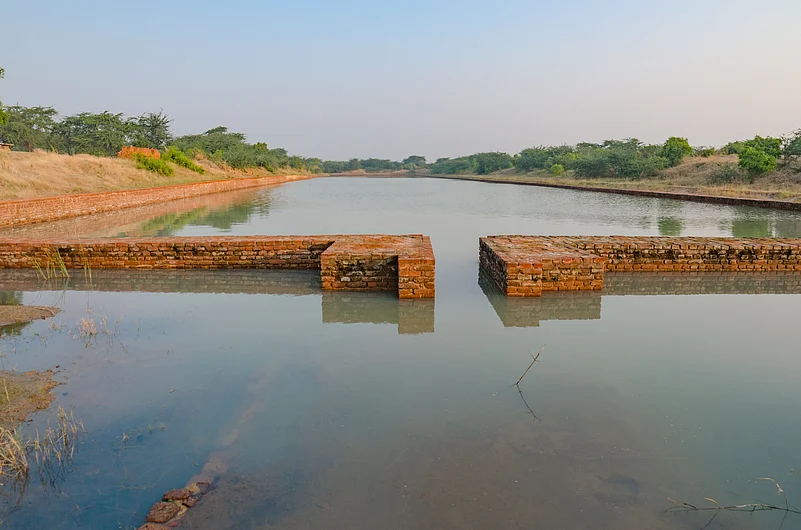

India's maritime trade history goes back thousands of years to the Harappan civilisation, which maintained commercial links with Mesopotamia, Dilmun (modern-day Bahrain) and Magan (present-day Oman). One of the best places to understand this early trading network is Lothal in Gujarat. Dating back to around 2400 BCE, the archaeological site is known for its large brick-lined basin, widely identified as one of the world's oldest dockyards. Its design, which included channels and water-management features, is believed to have helped ships access the basin despite changing tidal levels.
A visit to the Lothal Archaeological Museum adds context to the ruins. Its collections include seals, beads, stone anchors and terracotta objects that offer clues to the region's trading connections. Further north, Dholavira in Kutch, a UNESCO World Heritage Site, provides another glimpse into Harappan urban planning and its relationship with the changing landscape of the Rann. Its sophisticated water-management system and strategic location make it an important stop for anyone interested in the early history of trade and settlement in western India.
Follow The Greco-Roman Spice Route Along Kerala's Malabar Coast
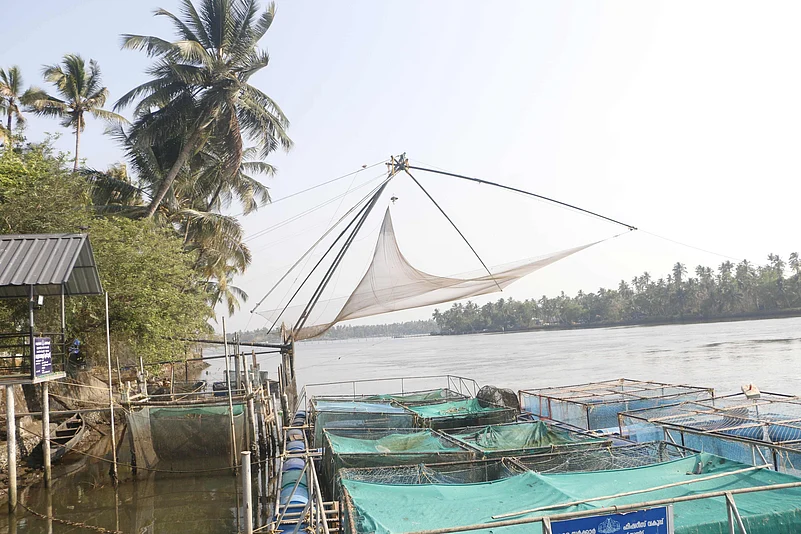
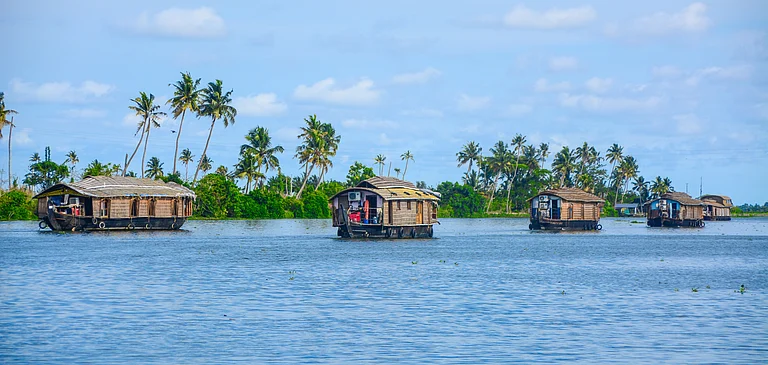
By the first century BCE, the Malabar Coast had become an important centre of international commerce. Ancient ports such as Muziris, believed to have been located around present-day Kodungallur in Kerala, attracted merchants from the Roman Empire and West Asia. The Periplus of the Erythraean Sea, an ancient maritime guide, describes the region's trading importance. Ships arrived carrying gold and silver coins, wine and other goods, which were exchanged for pepper, pearls, ivory and textiles.
The Muziris Heritage Project, a conservation and cultural tourism initiative by the Government of Kerala, offers a way to explore this history through archaeological sites and heritage buildings spread across Kodungallur and North Paravur. At Pattanam, excavations have uncovered Roman amphorae, Mediterranean glassware, West Asian pottery and other objects that point to long-distance trade. The region's multicultural history is equally interesting. Travellers can visit the Cheraman Juma Masjid in Kodungallur, the Paravur and Chendamangalam synagogues, and the Marthoma Pontifical Shrine at Azhikode to understand how centuries of maritime exchange brought different communities and religious traditions to Kerala.
Discover Ancient Navigation And Traditional Shipbuilding
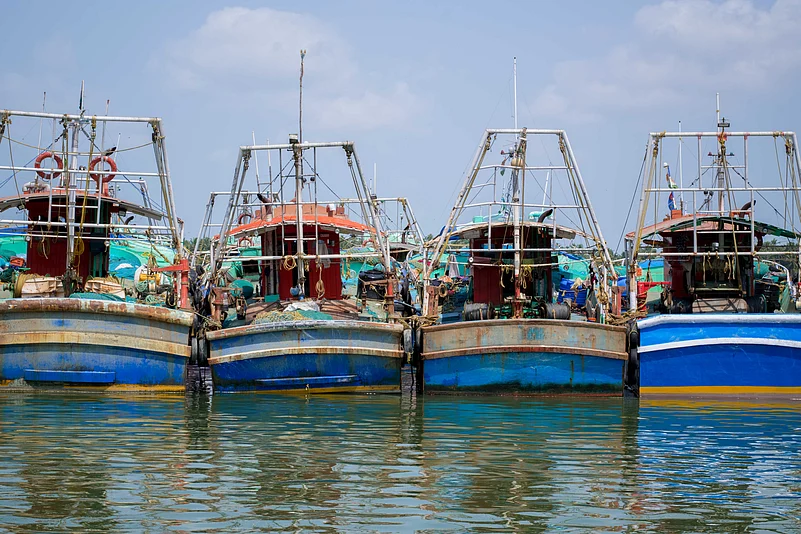
Monsoon winds played a major role in making ancient Indian Ocean trade possible. Sailors learnt to use the southwest monsoon to travel eastwards from the Red Sea and Persian Gulf towards India, while the northeast monsoon helped them make the return journey. This understanding of seasonal winds made longer open-sea crossings possible and reduced dependence on routes that closely followed the coastline. Astronomy and observations of the stars also helped sailors navigate unfamiliar waters, passing down practical knowledge through generations of seafarers.
To understand how these maritime traditions continue today, visit Beypore near Kozhikode in Kerala or Mandvi in Gujarat. Both have long associations with traditional wooden shipbuilding. In Beypore, skilled craftsmen known as Khalasis are associated with the construction of large wooden vessels called urus, using techniques passed down through generations. Travellers interested in the science behind these journeys can also explore traditional navigation tools such as the kamal, a simple instrument used to estimate latitude by observing the North Star. The 11th-century Sanskrit text Yukti Kalpataru, which discusses different types of vessels and shipbuilding, offers another interesting starting point for research.
Trace The Eastern Trade Corridors To Southeast Asia
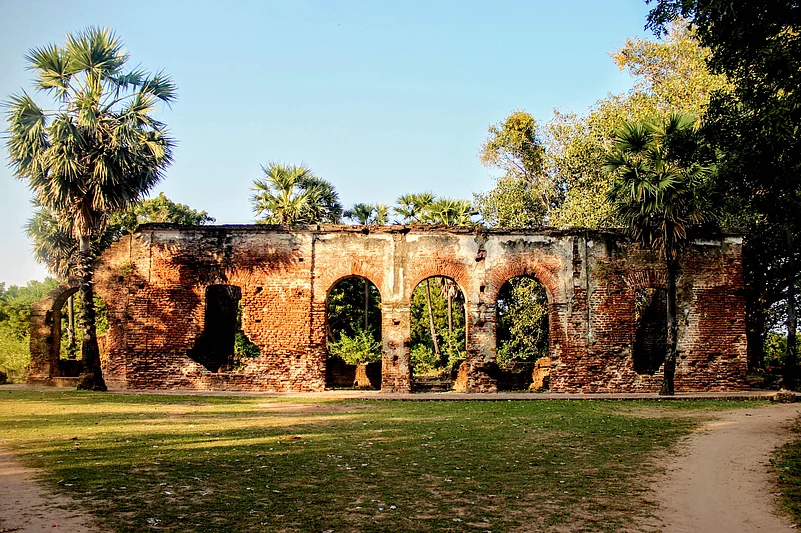
The Bay of Bengal was another important centre of India's ancient maritime trade, connecting ports along the eastern coast to Southeast Asia and China. Tamralipti, located near present-day Tamluk in West Bengal, was among the region's important trading centres. Further south, Arikamedu in Puducherry developed into a major trading and bead-making settlement with links to the Roman world. Archaeological excavations here have uncovered brick structures, wine amphorae, Roman pottery and glass beads, offering evidence of the goods and communities that moved through the port.
One way to experience the legacy of these eastern maritime networks is through Odisha's Bali Jatra festival in Cuttack. Celebrated around Kartika Purnima, the festival remembers the Sadhabas, or Kalinga merchants, who once sailed to Bali, Java and Sumatra in large boats called boitas. The ritual of Boita Bandana, in which miniature boats are floated on rivers, keeps this seafaring memory alive. Travellers can also visit the Odisha State Maritime Museum in Cuttack to explore traditional boats, maritime artefacts and the region's shipbuilding history. In West Bengal, the remains of Chandraketugarh and collections at Kolkata's Indian Museum offer further insights into the eastern coast's trading connections.
Retrace The Chola Naval Legacy Along The Coromandel Coast
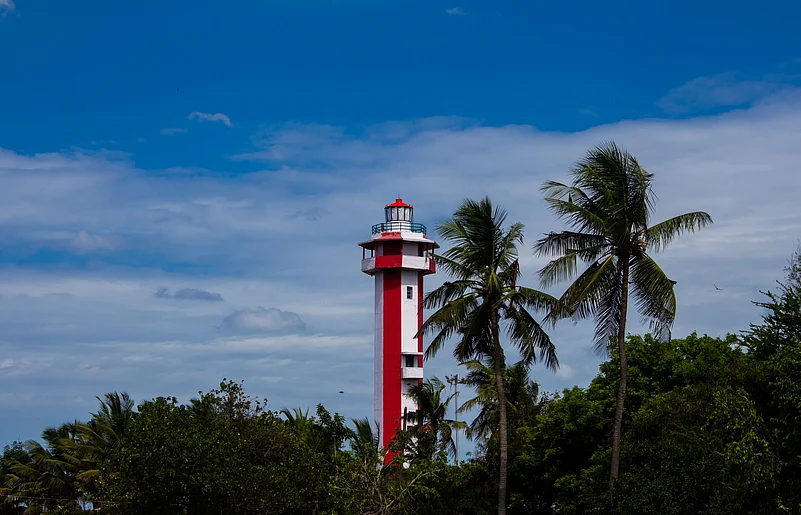
Between the ninth and thirteenth centuries, the Chola dynasty developed a powerful maritime network across the Bay of Bengal. Its influence extended to Sri Lanka and Southeast Asia, with trade and naval expeditions reaching the Strait of Malacca. Merchant guilds played an important role in these exchanges, carrying textiles, spices and other goods across the region. A good place to begin exploring this history is Poompuhar in Tamil Nadu, once an important port described in ancient Tamil literature. The town's archaeological remains, Maritime Heritage Museum and Silappathikaram Art Gallery help bring its trading past into focus.
Further along the coast, Mahabalipuram's Shore Temple offers a glimpse into the region's relationship with the sea. The temple complex, built during the Pallava period, has long been associated with the coastal landscape and maritime history of the Coromandel Coast. Nagapattinam, another historic port, was an important centre for Buddhist connections between South India and Southeast Asia. For a wider understanding of these networks, travellers can look beyond India to Sri Lanka's ancient ports of Mantai and Godavaya, or explore the maritime reliefs at Borobudur in Indonesia.
FAQs
1. What were India's ancient maritime trade routes?
India's ancient maritime trade routes were sea networks connecting the subcontinent with Mesopotamia, Rome, East Africa, West Asia and Southeast Asia. Merchants traded spices, textiles, beads, precious stones and other goods across the Indian Ocean.
2. Which was the oldest port in India?
Lothal in Gujarat is among the oldest known maritime trading centres in the Indian subcontinent. Dating to around 2400 BCE, it is particularly known for its large brick-lined basin, commonly identified as an ancient dockyard.
3. What was Muziris famous for?
Muziris was an important ancient port on Kerala's Malabar Coast, known for its overseas trade with Roman and West Asian merchants. Pepper, pearls, ivory and textiles were among the goods associated with its trading network.
4. How did monsoon winds help ancient Indian sailors?
Ancient sailors used the seasonal southwest and northeast monsoon winds to cross the Indian Ocean. Their knowledge of these changing wind patterns made long-distance sea travel between India, the Red Sea and Southeast Asia easier.
5. What is Bali Jatra and what is its connection to maritime trade?
Bali Jatra is an annual festival in Cuttack, Odisha, commemorating the historic sea voyages of Kalinga merchants to Bali, Java and Sumatra. The Boita Bandana ritual, in which miniature boats are floated on water, recalls these journeys.