

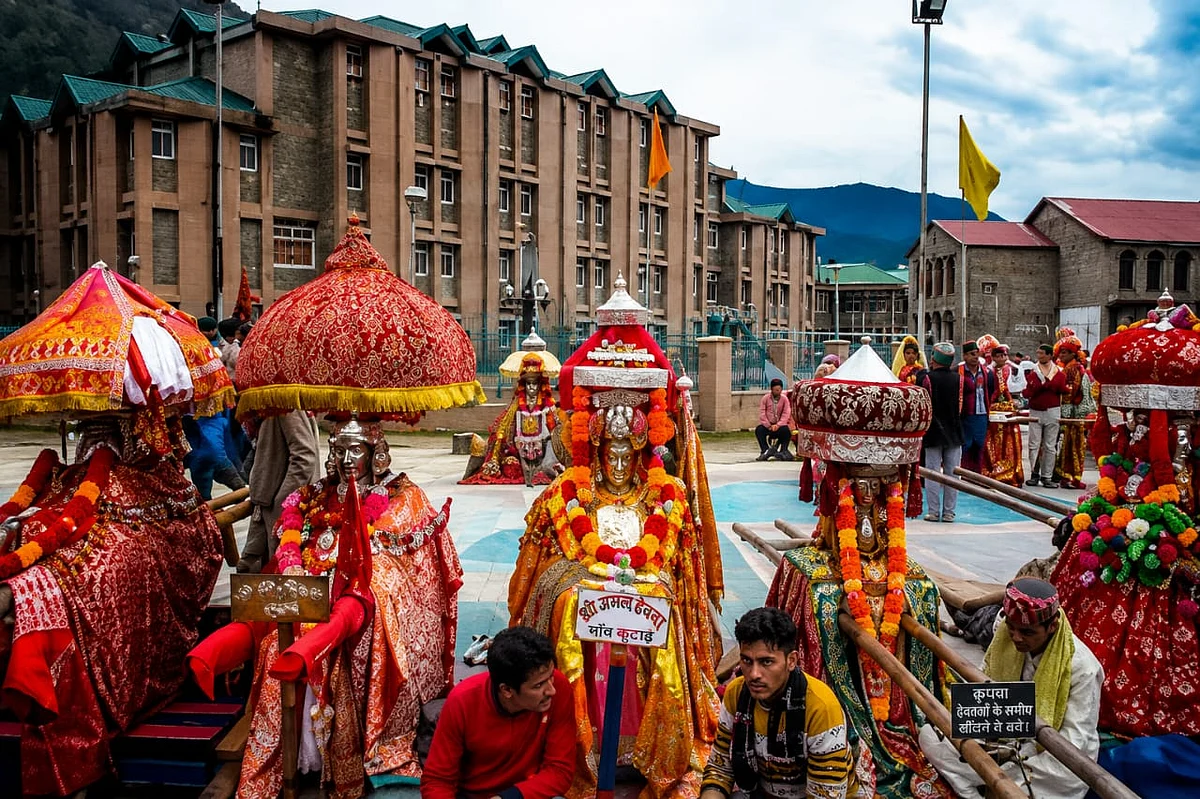
Every November, the Himalayan town of Rampur Bushahr in Himachal Pradesh's Shimla district becomes a meeting ground for traders, artisans, travellers, and communities who have kept an age-old tradition alive for centuries. Set along the banks of the Sutlej River, the International Lavi Fair is rooted in a history of trans-Himalayan trade that once connected the Indian subcontinent with Tibet, Central Asia, Nepal, and Afghanistan. What began as an important commercial gathering has grown into a celebration of Himachal Pradesh's cultural heritage, bringing together traditional textiles, wool, dry fruits, indigenous crafts, folk performances, and regional cuisine. Now approaching its 300-year legacy, the fair offers visitors an opportunity to understand how Himalayan communities traded, travelled, and exchanged traditions, while adapting to a changing world.
A Trading Legacy That Dates Back To The 17th Century
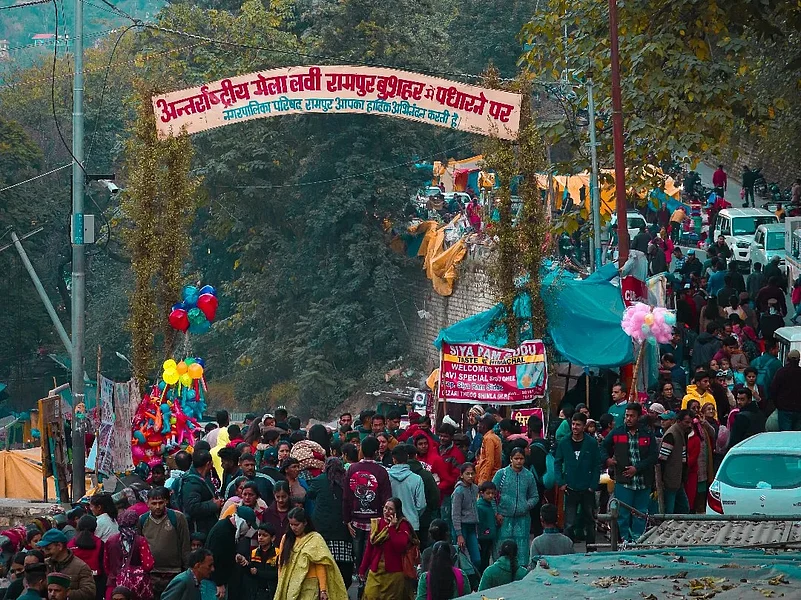

The origins of the Lavi Fair are traditionally traced to the 17th century, when Raja Kehri Singh of the erstwhile Bushahr princely state entered into a trade agreement with Tibet. Rampur's strategic position along historic Himalayan trade routes made it an important meeting point for merchants travelling between the mountains and the northern plains. Traders arrived with wool, pashmina, livestock, and other mountain produce, exchanging them for commodities such as salt, jaggery, grains, and cloth.
The fair subsequently developed into an important commercial centre along the old Silk Route network, attracting traders from Tibet, Nepal, Central Asia, and Afghanistan. Its significance extended beyond commerce, with the gathering also serving as a meeting place for travellers, pilgrims, and communities from different parts of the Himalayas. However, cross-border trade declined following China's occupation of Tibet in 1959. Despite the disruption, Lavi continued as a regional trading and cultural gathering, eventually receiving international fair status from the Himachal Pradesh government.
Wool, Kinnauri Shawls, And The Wealth Of The Himalayas
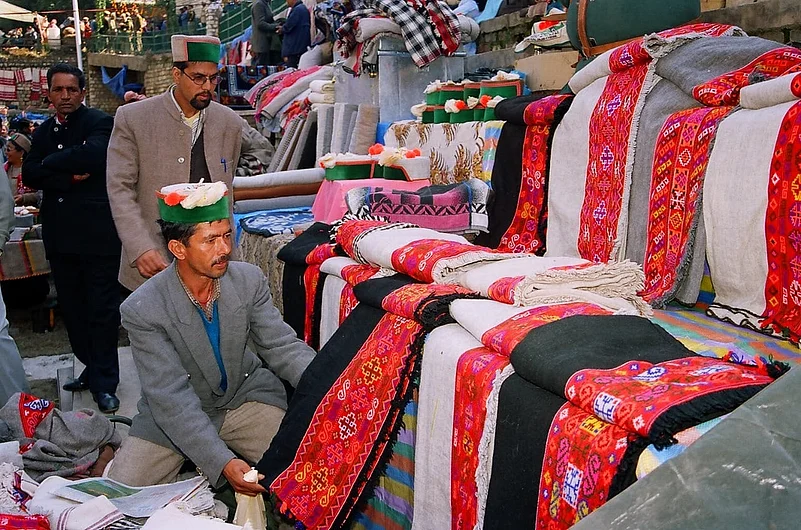
The marketplace remains one of the biggest attractions of the Lavi Fair. Its identity is closely associated with wool, particularly sheep wool, pashmina, and traditional Kinnauri textiles. The name Lavi is commonly associated with 'Loe', a woollen sheet, reflecting the importance of sheep rearing and wool trading in the region's history.
Visitors can browse stalls selling Kinnauri shawls, traditional pattus, yak wool products, handwoven garments, dry fruits, indigenous crafts, precious stones, and agricultural produce. Among the most recognisable products are the GI-tagged Kinnauri shawls, distinguished by their colourful geometric patterns. Their traditional colour palette carries symbolic associations, with white representing water, yellow earth, red fire, green air, and blue the sky. These textiles are valued for their craftsmanship, with some elaborate pieces taking years to complete.
The fair is also known for its Chamurthi horses, a hardy breed adapted to the challenging conditions of the cold desert regions of Himachal Pradesh. Historically valued as pack and riding animals in high-altitude terrain, they reflect the close relationship between mountain communities, livestock, and trade. Kinnauri apples, chilgoza (pine nuts), and other locally sourced produce add to the variety of goods available at the marketplace.
From Barter Trade To UPI Payments
While wool and agricultural produce continue to define much of Lavi's commercial identity, the way business is conducted has changed considerably. The traditional barter system, in which mountain products were exchanged for essential commodities from the plains, has largely given way to cash transactions and digital payments. Today, many traders accept UPI payments and use courier services to send purchases to customers across India.
Chilgoza offers an interesting example of how the value of Himalayan produce has changed over the decades. Once sold for approximately INR 4-5 per kilogram, the prized pine nut from Kinnaur's higher reaches now commands prices of around INR 14,000-15,000 per kilogram. Such changes reflect shifting markets, demand, and the growing commercial value of products sourced from the Himalayan region.
The fair also contributes to Rampur's local economy. Revenue from stall and plot allocations is estimated at approximately INR 2.5 crore annually, while a substantial share of the expenditure goes towards organising cultural programmes and supporting local artists.
Women Entrepreneurs And The Cultural Life Of Lavi
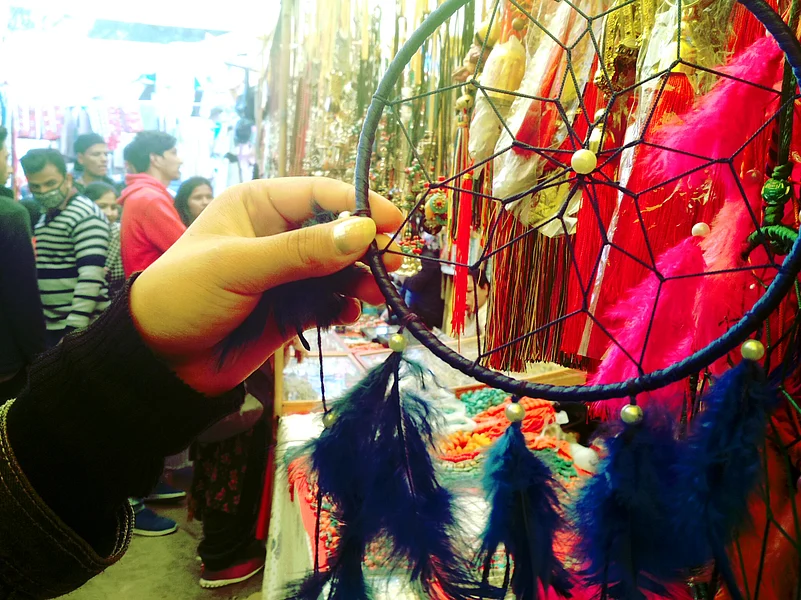
Beyond its trading history, the Lavi Fair provides a platform for local communities to showcase their skills and traditions. Women play an increasingly important role in its contemporary economy, managing stalls, negotiating sales, and running small businesses. Self-help groups have further strengthened opportunities for women entrepreneurs, allowing them to bring locally made products, food items, preserves, and handicrafts to a wider market.
Food is another way to experience the region's cultural diversity. Traditional Himachali preparations such as siddu, kodra (millet) roti, and moodie, a millet-based trail mix, are available alongside momos and local sweets. Visitors will also encounter familiar street-food favourites such as chaat, golgappa, dosa, and chow mein, reflecting the changing tastes of the fair's visitors.
Cultural programmes form an important part of the celebrations, with folk music, traditional Nati performances, dance presentations, and participation from local cultural groups. The administration has also introduced school-level initiatives, including essay competitions, to encourage younger generations to document the fair's history through conversations with elders, traders, and community members. These efforts are important to preserving a tradition whose story is as much about the people of Rampur as it is about its historic trade connections.
Things To Know Before Visiting The Lavi Fair
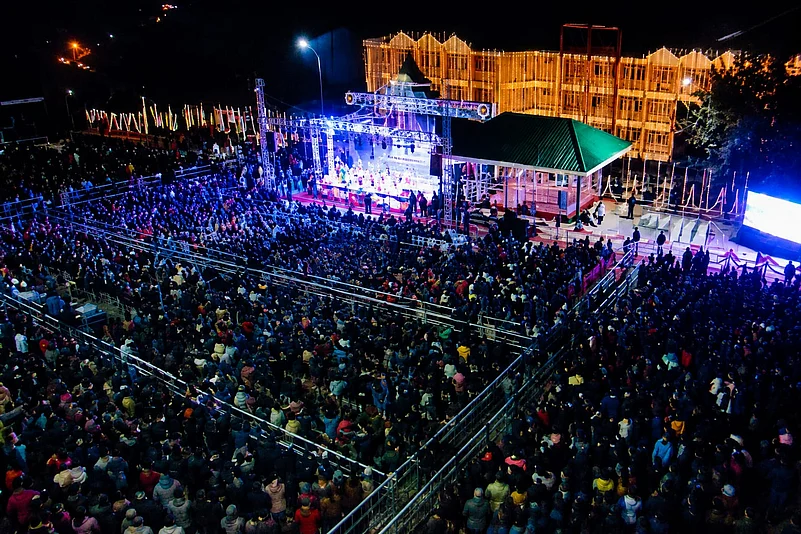
Dates: The International Lavi Fair is held annually in November. In 2026, the main celebrations are scheduled from November 11-14. The trading grounds generally remain active beyond these dates, with stalls continuing through much of the month.
Venue: Lavi Mela Ground, Rampur Bushahr, Shimla district, Himachal Pradesh, on the banks of the Sutlej River.
By Road: Rampur is approximately 475-480 kilometres from Delhi via NH 5. Overnight Volvo buses take around 12-13 hours, while taxis are another option.
By Air: Fly from Delhi to Chandigarh, followed by a five-to-six-hour road journey to Rampur. Shimla Airport also has limited flight connectivity.
By Train: Travel from Delhi to Chandigarh or Kalka by train, then continue to Rampur by road.
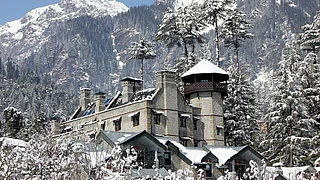
Where To Stay: Accommodation options in Rampur include Naunabh Heritage Hotel, Virasat-E-Bushahr, and Hotel Bushehar Regency.
Travel Tips: Plan the mountainous road journey in advance and allow sufficient travel time. Carry some cash alongside digital payment options when exploring the market stalls.
FAQs
1. Where is the Lavi Fair held?
The Lavi Fair is held in Rampur Bushahr, in Himachal Pradesh's Shimla district, along the banks of the Sutlej River.
2. When is the Lavi Fair celebrated in 2026?
The main celebrations will take place from November 11-14, 2026. Trading activities generally continue through the month.
3. What is the history of the Lavi Fair?
The fair traces its origins to a 17th-century trade agreement between Raja Kehri Singh of Bushahr and Tibet.
4. What can visitors buy at the Lavi Fair?
Visitors can shop for GI-tagged Kinnauri shawls, pashmina, yak wool products, dry fruits, chilgoza, traditional handicrafts, and local produce.
5. How can you reach the Lavi Fair in Rampur?
Rampur is accessible by road from Delhi via NH 5. Visitors can also fly to Chandigarh or take a train to Chandigarh or Kalka before continuing by road.