What makes us remember a journey long after it is over? Is it the destination alone, or is it the way the destination was experienced?
As architects, we often design hotels that become part of someone's most memorable trip. That comes with a responsibility. A hotel should never feel disconnected from its surroundings. It should help guests understand where they are.
I have always believed that every hospitality project begins with the site. Before thinking about materials, furniture or finishes, I spend time understanding what makes that place unique. The landscape, the climate, the culture and even the pace of life become the starting points for every design decision.
Letting The Site Lead

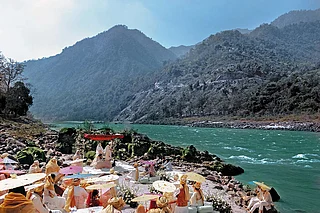
When we began working on Aloha on the Ganges, the site in Uttarakhand had already given us our biggest design direction. On one side was the River Ganga. Beyond it were the Himalayan foothills. Rishikesh itself had a very different rhythm from most destinations. Visitors came there looking for balance, wellness and a sense of calm.
That changed the way we approached the project.
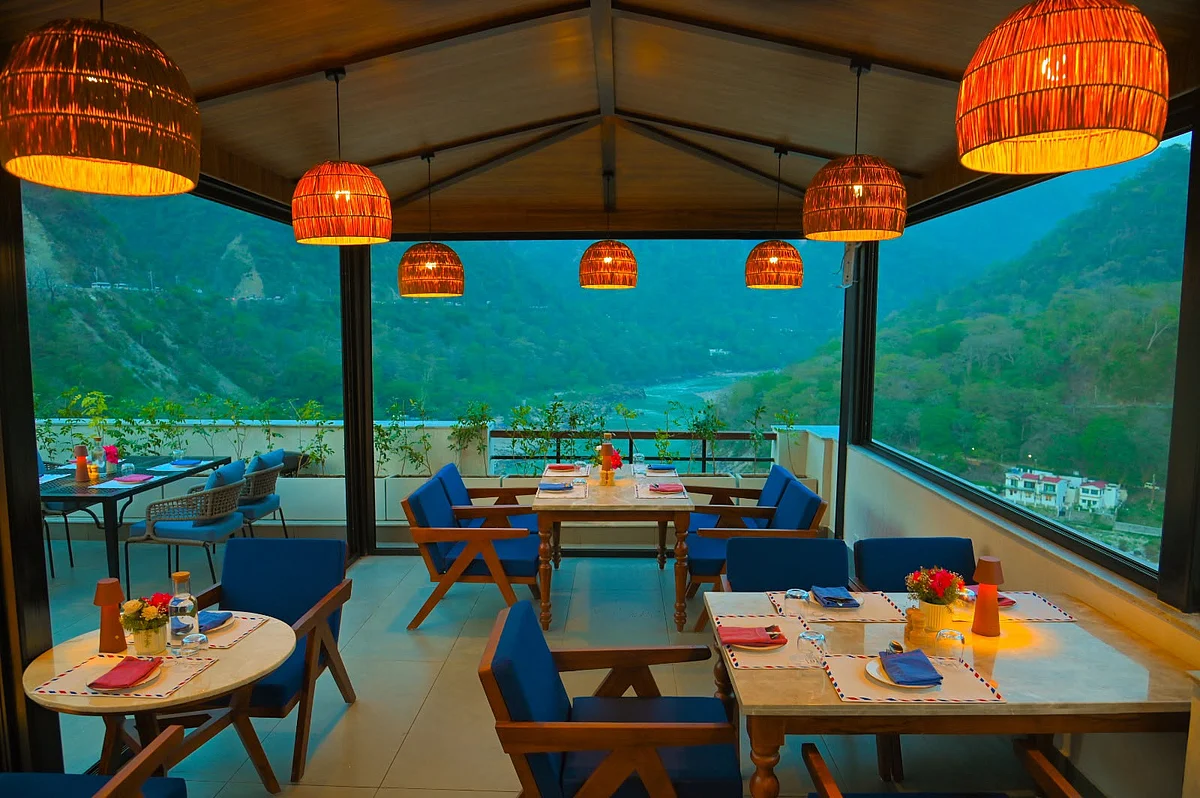
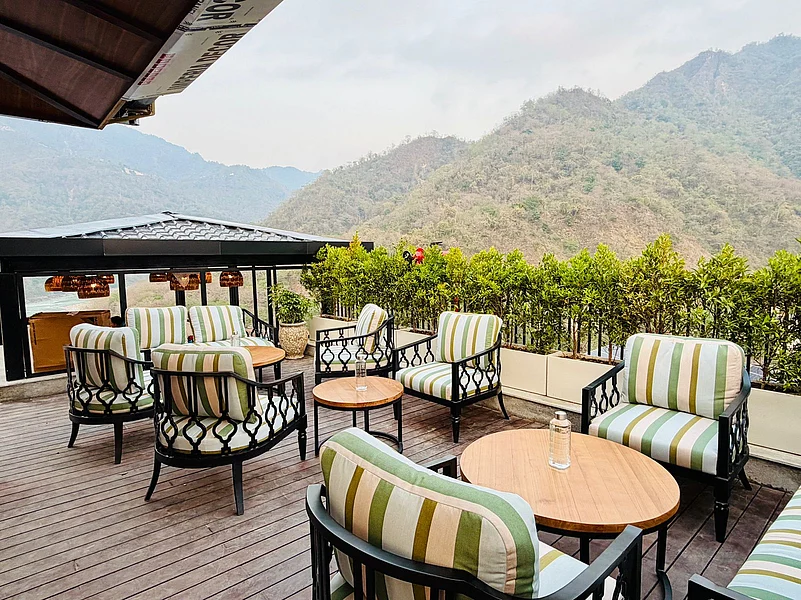
Instead of creating spaces that demanded attention, we designed spaces that directed attention towards the landscape. The lounges, seating areas and outdoor decks were positioned so guests remained connected to the river and the mountains throughout their stay. Large windows were introduced not simply to bring in daylight, but to ensure the landscape became part of the interiors.
Designing For A Sense Of Place
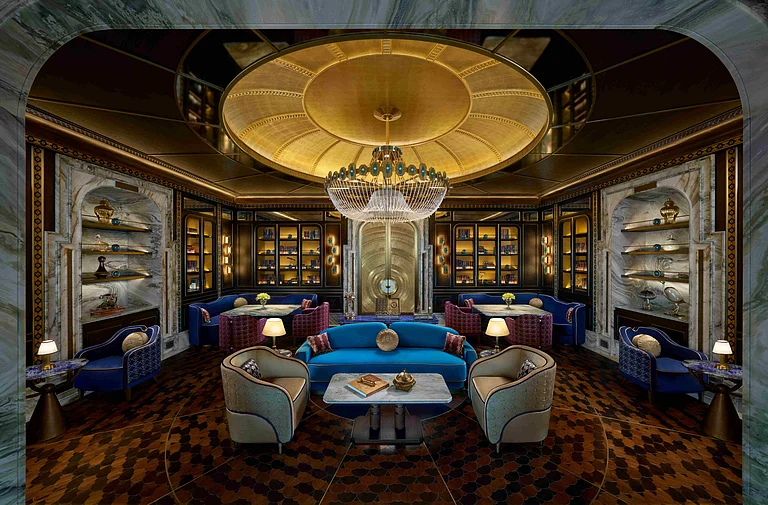
The arrival experience was also influenced by the destination. Rishikesh did not need a grand or intimidating entrance. It needed a welcoming one. The reception was designed with warm materials, handcrafted artwork, timber, marble and brass details to create an atmosphere that feels familiar from the moment guests arrive.
I also wanted the interiors to reflect the character of the place instead of following an international hotel template. Indian artwork, handcrafted furniture, natural materials and earthy colours were used because they belong here. They tell guests something about the destination without needing words.
Material selection followed the same thinking. I prefer materials that perform well over time. Marble offers durability. Timber adds warmth. Brass develops character with age. These materials were not selected because they appear luxurious. They were selected because they are honest, long-lasting and appropriate for the project.
When Shared Spaces Become Destinations
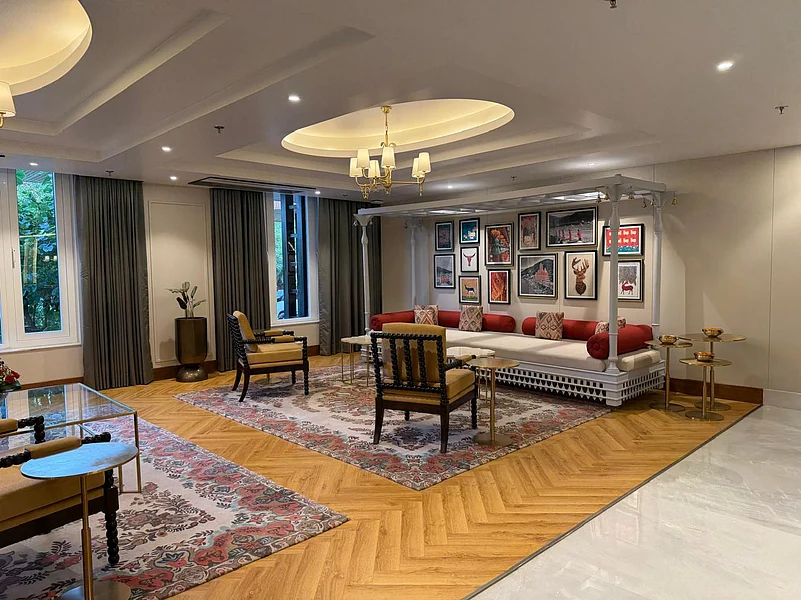
The way people move through a hotel is equally important. In Rishikesh, guests spend more time within the property than they would in a typical city hotel. They read, have conversations, enjoy the views and simply slow down. That meant the shared spaces had to become destinations in themselves rather than just areas people pass through.
I often say that architecture should never compete with the destination. If guests remember the building but forget where they travelled, we have missed the opportunity.
For me, successful hospitality architecture is measured differently. It is when guests leave feeling more connected to the place than when they arrived. If the architecture helps create that connection, it quietly becomes part of the journey itself.
Ar. Anil Badan is the Founder and Principal Architect of Studio B Architects, known for his work across hospitality and commercial design. His projects blend culture, context and contemporary design, with a focus on creating functional, accessible and memorable spaces.
FAQs
1. How does architecture influence travel experiences?
Architecture can shape how travellers experience, understand and remember a destination.
2. Why is a sense of place important in hotel design?
It helps a hotel feel connected to its surroundings rather than disconnected from the destination.
3. How did Rishikesh influence the design of Aloha on the Ganges?
The river, Himalayan landscape and wellness-oriented character of Rishikesh guided the project's design.
4. What materials were used in the hotel's interiors?
Marble, timber and brass were used for their durability, warmth and ability to develop character over time.
5. What makes hospitality architecture successful?
For Anil Badan, it is when guests leave feeling more connected to the destination than when they arrived.