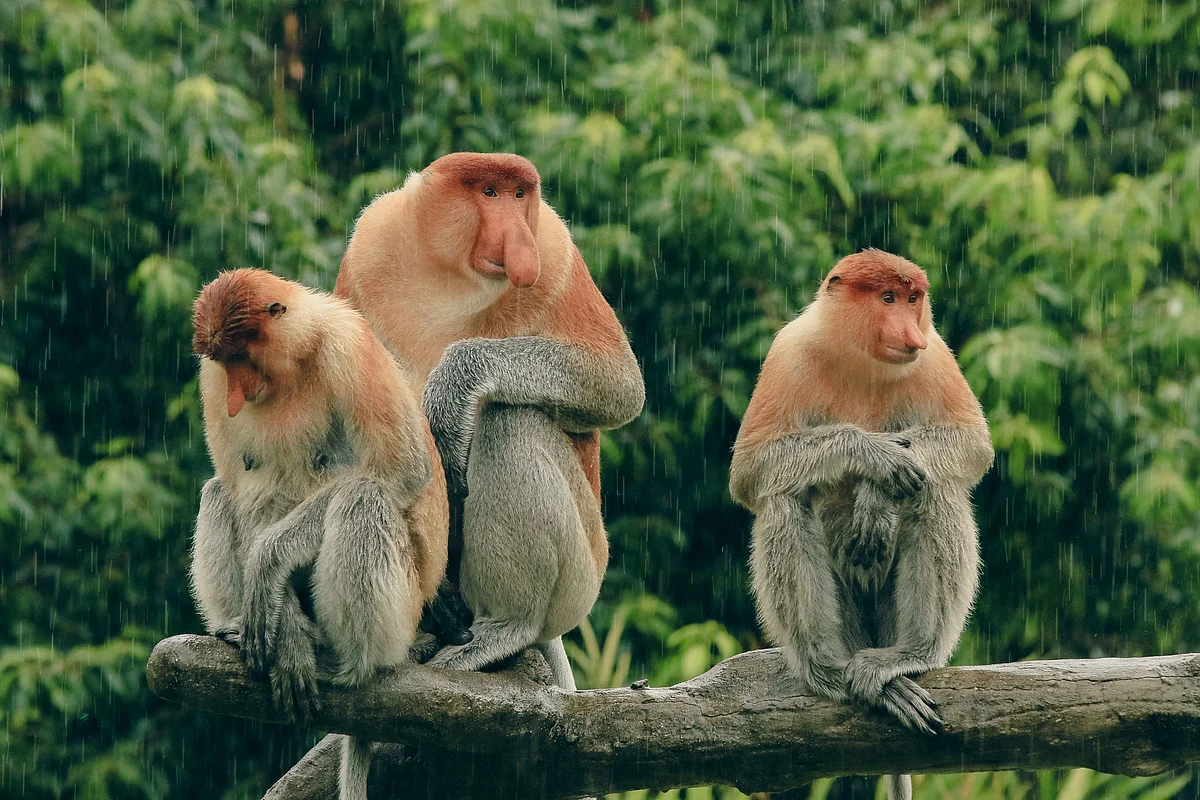
Travel today is predictable—the same cities, viewpoints, and the same itineraries curated in slightly different ways. But then there are places like Borneo that don’t try nearly as hard, yet offer something far more immersive.
Set in the heart of Southeast Asia, Borneo is a reminder of what travel can be when it isn’t overly structured. It is the third-largest island in the world, known for its unmatched density of endemic species and a shift toward deep, indigenous-led eco-travel. It’s the kind of place that doesn’t revolve around the traveller, and that’s precisely the point.
So, whether you are chasing a sighting of the elusive Sunda clouded leopard or watching a family of pygmy elephants cross a mist-covered river, Borneo provides a level of intimacy with the wild that simply cannot be found anywhere else on the planet.
Top Reasons Borneo Is Southeast Asia’s Top Wildlife Destination


One Of The Oldest Rainforests On Earth
Estimated to be over 130 million years old, Borneo's rainforest are among the world's oldest, older than the Amazon, providing an exceptionally stable and complex ecosystem. Dominated by massive dipterocarp trees, this ancient habitat, particularly in protected areas like Danum Valley, remains an "intact" sanctuary for some of the world's most endangered species, including the Bornean clouded leopard, proboscis monkeys, and numerous unique plant species, such as carnivorous pitcher plants.
Wildlife Encounters That Feel Unreal
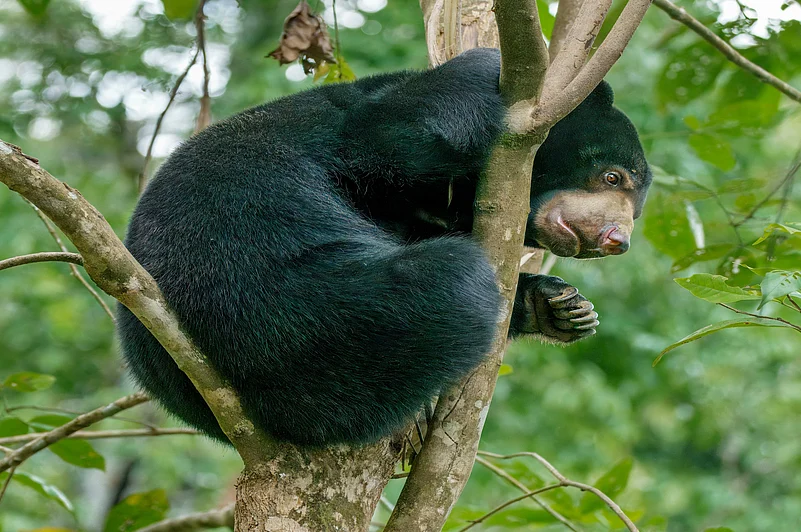
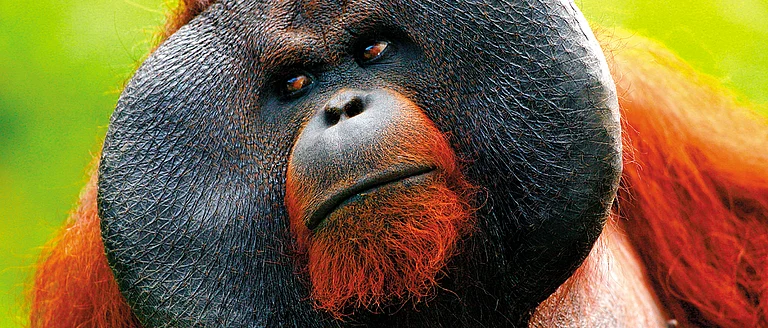
The island offers the rare chance to witness wildlife species in their natural environment rather than a park. Borneo is the only place on Earth where you can witness animals like the Bornean orangutan, pygmy elephant, proboscis monkey, rhinoceros hornbill, and estuarine crocodile. These iconic species represent the best of the island's biodiversity, offering a wildlife experience that rival African safaris in terms of rarity and excitement.
Unlike managed parks where sightings are engineered, these animals move freely through the forest on their own schedules. Seeing a wild orangutan swinging through the canopy or a herd of the world’s smallest elephants bathing in a river provides a raw, unfiltered connection to nature that is increasingly rare in modern travel.
Species Found Nowhere Else
Due to millions of years of isolation, Borneo has a staggeringly high proportion of endemic species, which are animals and plants that exist nowhere else. This includes unique primates like the comical, pot-bellied proboscis monkey, the elusive Bornean clouded leopard, and the world’s smallest bear, the Bornean sun bear. This exclusivity extends into the plant kingdom, where travellers can find the Rafflesia, the world's largest flower, and a global hotspot for carnivorous pitcher plants (Nepenthes).
For nature enthusiasts, visiting Borneo is like entering a "living museum" filled with evolutionary oddities that cannot be seen in any other corner of the globe.
Diverse Wildlife Viewing Experiences
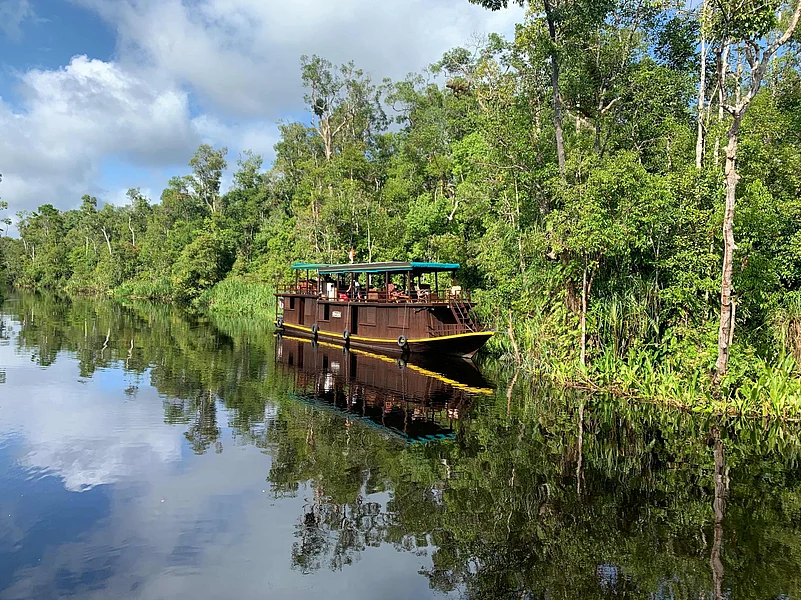
Located on the island of Borneo, the Kinabatangan River and Tanjung Puting National Park offer some of the most east wildlife viewing in Asia via boat safaris. As animals naturally congregate at the water’s edge to drink, bathe, and feed at dawn and dusk, visitors can quietly glide past them without disturbing their natural behaviour. A single boat trip often leads to sightings of multiple primate species, colourful kingfishers, and crocodiles basking on the banks.
The island also hosts world-renowned sanctuaries, such as the Sepilok Orangutan Rehabilitation Centre and the Bornean Sun Bear Conservation Centre, where rescued animals are rehabilitated for release back into the wild. These centres provide educational opportunities for visitors to see rare animals up close while directly funding rewilding efforts.
World's Most Dramatic Canopy Experiences
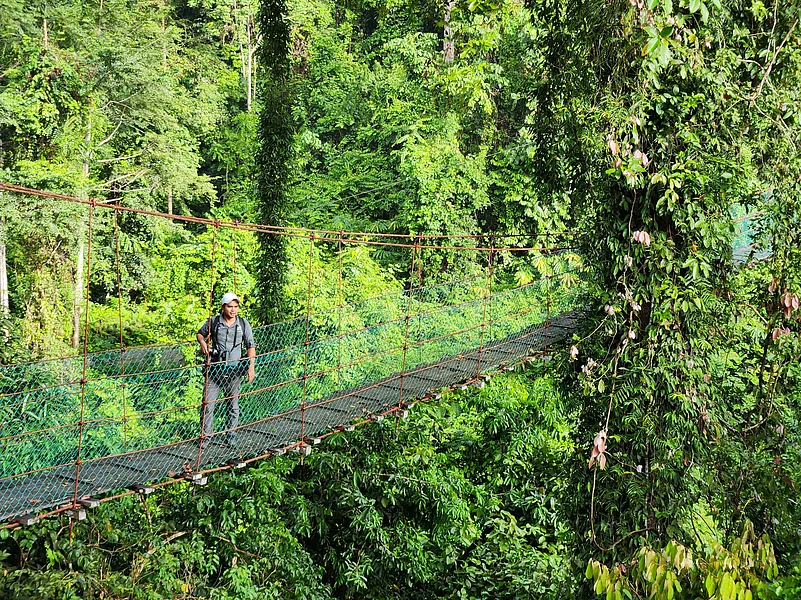
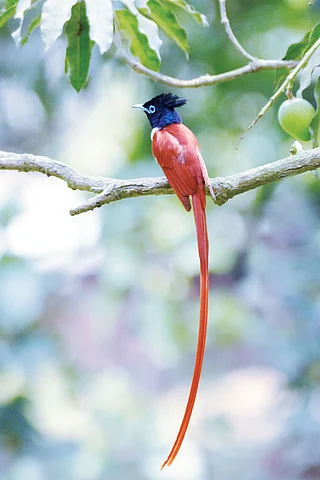
While many wildlife destinations are limited to ground-level views, Borneo offers views from world-class canopy walkways and soaring sky-bridges. The most iconic is the suspended walkway at the Danum Valley Conservation Area, towering 30 metres above the forest floor. It allows travellers to walk nearly 100 feet above the ground, providing an eye-level look at species that rarely descend to the floor, such as the vibrant rhinoceros hornbill, flying squirrels, and various leaf monkeys.
This perspective also turns birdwatching into an immersive experience and offers a rare glimpse into the hidden lives of arboreal creatures, making it an essential layer of the Bornean wildlife adventure.
The Information
How to get there: Fly into hubs like Kuala Lumpur, Singapore, or Jakarta and connect to gateways like Sandakan or Pangkalan Bun. Most lodges then provide boat transfers to take you directly into the rainforest.
Best time to visit: March to October offers better trail conditions and higher chances of spotting wildlife like orangutans and pygmy elephants. April to August is particularly great for birdwatching.
FAQs
1. Why is Borneo considered a top wildlife destination?
Borneo stands out due to its ancient rainforests, high biodiversity, and the presence of rare endemic species that cannot be found anywhere else in the world.
2. What wildlife can you see in Borneo?
Travellers can spot orangutans, pygmy elephants, proboscis monkeys, rhinoceros hornbills, and even elusive species like the Sunda clouded leopard.
3. Where are the best places for wildlife viewing in Borneo?
Top locations include the Kinabatangan River for boat safaris, Danum Valley for untouched rainforest, and Tanjung Puting National Park for orangutan sightings.
4. What makes Borneo’s rainforest unique?
Borneo’s rainforest is over 130 million years old, making it one of the oldest in the world and home to complex ecosystems and rare plant species.
5. When is the best time to visit Borneo?
The ideal time is between March and October, with April to August being particularly good for wildlife sightings and birdwatching.