In the folds of Jammu and Kashmir’s Banihal-Gool constituency, where mountain roads curl past forests and scattered villages, Tata Pani has long been known to locals for its naturally warm sulphur springs. Travellers stop by for a dip, residents speak of its healing properties, and over the years, the site has built a modest reputation as one of the region’s lesser-known natural retreats. Now, the destination is being positioned for something bigger, a full-fledged push towards health and wellness tourism.
National Conference leader and MLA Banihal, Sajjad Shaheen, recently laid the foundation stone for the Tata Pani Bath Ghat project, which is being developed at an estimated cost of INR 2.5 crore. The initiative is part of a broader developmental push across the Banihal-Gool constituency, with tourism, education, connectivity, and public infrastructure emerging as key focus areas.
The project aims to improve facilities around the hot spring site while also making the experience more accessible and organised for visitors. Tata Pani’s thermal springs, known in the region for their therapeutic significance, have traditionally drawn people seeking relief from joint pain and skin ailments. With wellness tourism continuing to gain momentum across India, destinations centred around natural healing and restorative travel are increasingly finding a place on travellers’ itineraries—and Tata Pani appears poised to join that conversation.
Healing Waters Rise
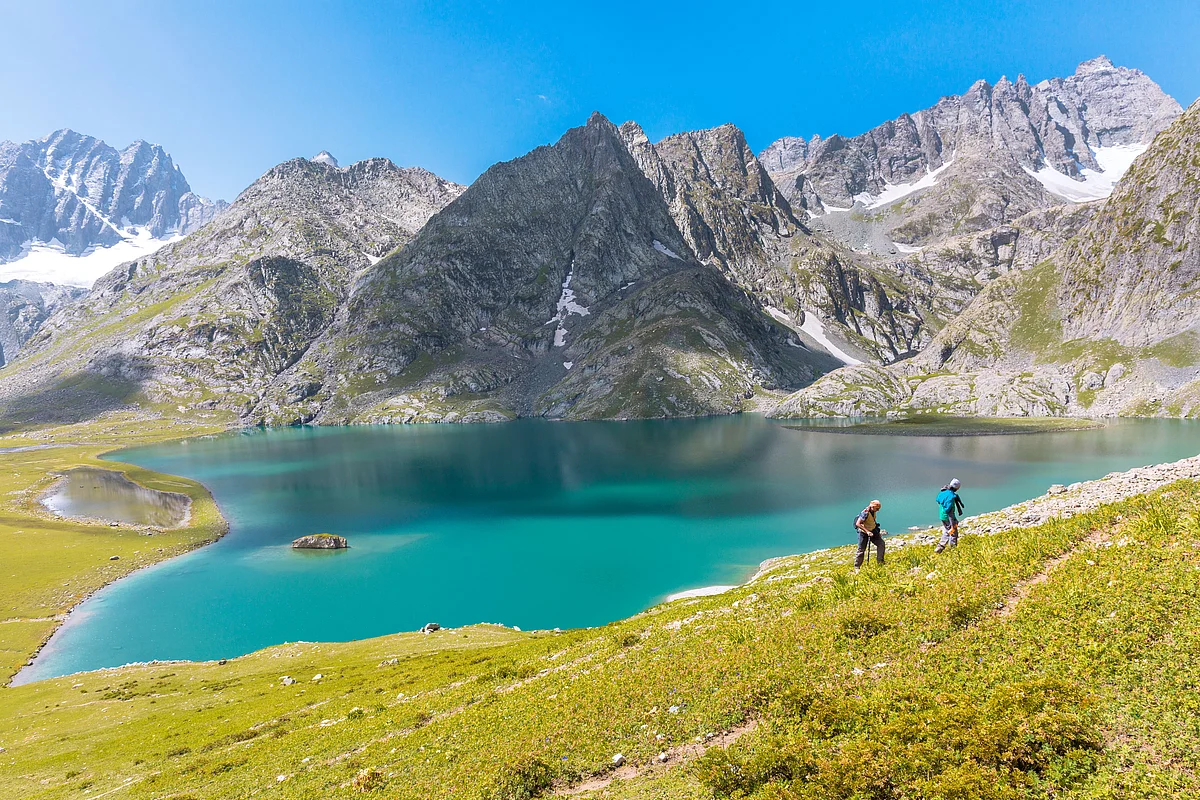
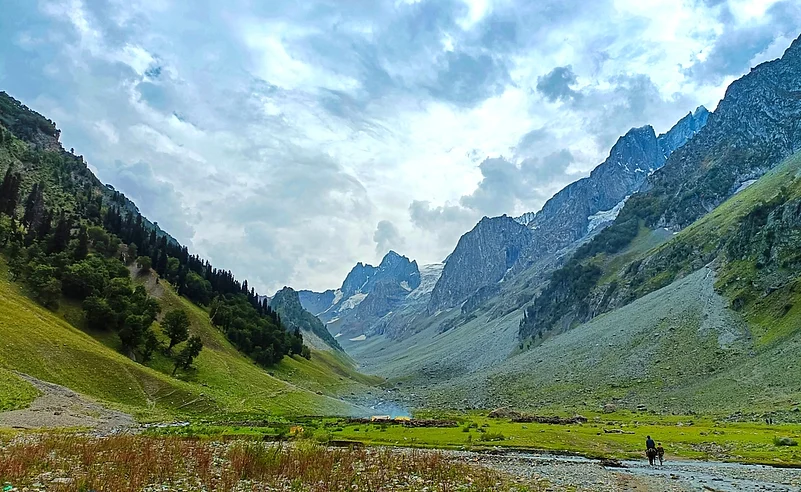
Unlike many heavily commercialised wellness destinations, Tata Pani still retains a raw, relatively untouched quality. Surrounded by the rugged terrain of Ramban district, the site sits within a landscape better known for transit routes and mountain passes than curated tourism circuits. The proposed Bath Ghat development could begin changing that equation.
Officials associated with the project say the upgraded infrastructure is expected to improve public convenience at the site while also opening up economic opportunities for nearby communities. The region’s tourism potential has often remained underexplored despite its natural assets, and local authorities appear keen to create a more sustainable tourism ecosystem around the springs.
The timing also reflects a larger shift in Indian travel trends. Over the past few years, wellness-led journeys have moved beyond luxury spa resorts and yoga retreats, extending into destinations built around natural springs, traditional healing practices, and slower, restorative experiences. Tata Pani’s appeal lies precisely in that authenticity—a place where the attraction is rooted in geography and local belief rather than curated wellness branding.
Alongside tourism development, the administration is also attempting to address longstanding infrastructural gaps across the constituency. Shaheen stated during the event that far-flung and previously neglected areas are being prioritised through ongoing developmental projects intended to create more balanced growth across the region.
Schools Get Boost
On the same visit, the MLA also inaugurated a newly constructed High School building at Sumar, developed at a cost of INR 3.52 crore. The project signals a parallel focus on strengthening educational infrastructure in the constituency, particularly in rural and mountainous areas where access to modern learning facilities has historically remained limited.
Education, according to local officials, is being treated as a long-term investment tied directly to regional development. Several schools across the Banihal-Gool constituency have already been equipped with digital smart boards, particularly in Higher Secondary and High Schools, as part of broader modernisation efforts.
The newly inaugurated school building at Sumar is expected to provide improved learning conditions for students in the area, many of whom travel considerable distances to attend classes. Better infrastructure, local leaders believe, is essential not only for educational outcomes but also for retaining students within the formal schooling system in remote regions.
The dual announcements, one centred on tourism and the other on education, reflect an attempt to balance economic development with public welfare infrastructure. In mountainous constituencies like Banihal-Gool, where terrain often complicates access and delivery, even relatively small projects can significantly alter everyday life for residents.
Region Looks Ahead

Beyond Tata Pani and Sumar, several additional projects linked to road connectivity, healthcare, tourism infrastructure, and public facilities are reportedly under execution across the constituency. Authorities say more initiatives are expected to roll out in phases over the coming months.
For Tata Pani specifically, the challenge will be preserving the character of the destination while improving accessibility and visitor facilities. Wellness travellers today increasingly seek destinations that feel rooted in place rather than overly packaged, and the region’s natural landscape may prove to be its greatest advantage.
If developed thoughtfully, Tata Pani could evolve into more than just a stopover spring in the hills of Ramban. It could become part of a growing network of Indian wellness destinations where nature, local livelihoods, and regional tourism intersect—offering travellers not just a bath in warm mineral waters, but a deeper connection with the landscape itself.
(With inputs from various sources)
FAQs
1. Where is Tata Pani located?
Tata Pani is located in the Banihal-Gool constituency of Jammu & Kashmir’s Ramban district.
2. Why is Tata Pani famous?
It is known for its natural hot water springs, believed to have therapeutic properties.
3. What is the Tata Pani Bath Ghat project?
It is an INR 2.5 crore infrastructure project aimed at improving facilities around the hot springs site.
4. How will the project help local communities?
The development is expected to boost tourism and create livelihood opportunities through related activities.
5. What other project was inaugurated alongside this?
A newly constructed High School building at Sumar, built at a cost of INR 3.52 crore, was also inaugurated.