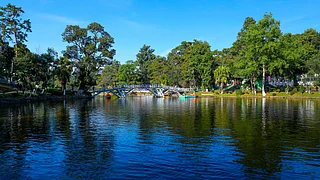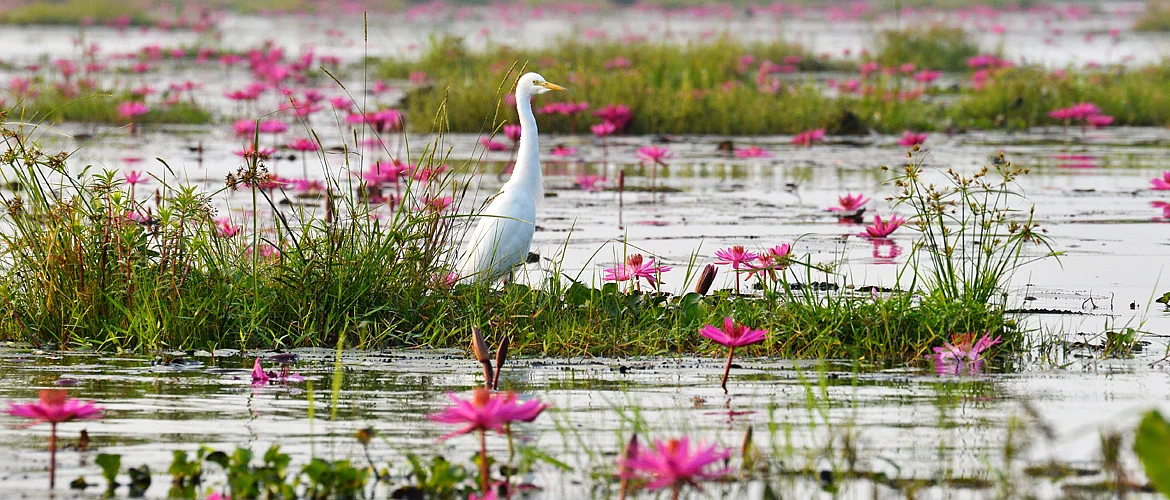
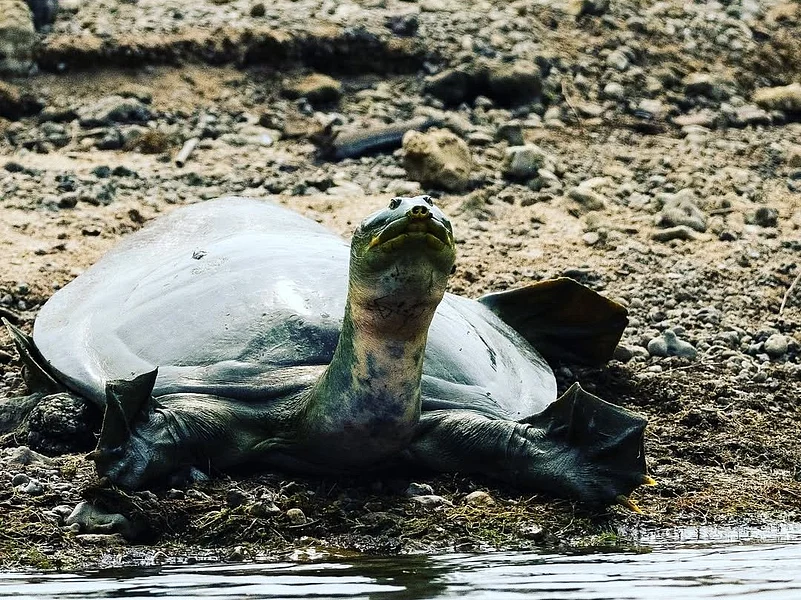
In 2018, a pilot whale was found dead on a beach in southern Thailand—its stomach filled with more than 80 plastic bags. It had tried to survive for days, vomiting pieces of plastic before finally collapsing. Just last year, in 2025, a decades-old softshell tortoise was found dead in the Yamuna Canal in Assam’s Sivasagar district amidst thick layers of plastic and waste. This incident triggered public outrage and drew major attention to the deteriorating state of the historic waterway.
Plastic pollution alone has permeated nearly every corner of the planet. Today, the world produces roughly 450–460 million tonnes of plastic annually, generating hundreds of millions of tonnes of waste, much of it poorly managed. At least 14 million tonnes of plastic enter oceans every year, while microplastics are now present in almost all water systems—rivers, lakes, and even drinking water.
Globally, over 2.1 billion people still lack access to safe drinking water, while demand for freshwater is expected to outstrip supply by up to 40 per cent by the end of this decade. Pollution plays a central role in this crisis—driven largely by agriculture, which accounts for nearly 70 per cent of freshwater contamination, alongside industrial discharge and untreated waste. Rivers, lakes, and wetlands have become repositories of runoff, chemicals, and plastic, often turning once-thriving ecosystems into stressed, degraded spaces.
In India, the scale of the problem is even more stark. Rapid urbanisation and industrial growth have left a deep environmental footprint, with only about 10 per cent of the country’s water bodies classified as having good quality. Contamination of lakes and rivers has become routine, affecting both ecosystems and public health. A 2024–25 scientific study by The Energy and Resources Institute (TERI) commissioned by the Delhi government found widespread microplastic contamination in the Yamuna. Before the 2024 monsoon, the river contained over 6,300 microplastic particles per cubic metre. While these plastics lead to nearly annual mass fish deaths at spots like Kalindi Kunj, larger animals like the Indian flapshell turtle are also routinely rescued from these heavily polluted stretches.
However, in recent years, some of these very water bodies have begun to change course—cleaned, restored, and slowly reintroduced into public life—offering a counterpoint to the larger narrative of decline.

Gurugram’s Wazirabad Lake Revival
Once a defining feature of Wazirabad village, an 18-acre lake sat at the centre of what is now Sector 52 in Gurugram—an area known today for luxury housing, premium retail, and some of the country’s most expensive real estate. But as Gurugram rapidly expanded, its natural landscape paid the price. The Aravalli region, once dotted with interconnected lakes that captured excess rainwater, replenished groundwater, and managed runoff, saw many of these water bodies encroached upon or erased entirely. According to the Gurugram Metropolitan Development Authority (GMDA), at least 153 water bodies in the district have effectively disappeared, with no scope for recovery.
The Wazirabad lake, referred to in official records as Wazirabad Nala, followed a similar trajectory. Unplanned development and construction activity choked its catchment area, while debris dumping disrupted natural water channels, eventually drying the lake out. Once neglected and avoided, the area became associated with waste dumping and unsafe activity. The degradation of such water bodies points towards a broader trend in urban India, where expansion often overrides ecological balance, leading to declining groundwater levels and increased vulnerability to flooding.
Lake Restoration Efforts And Community-Led Transformation Across Delhi NCR
The turnaround began in 2022, driven by intervention from the National Green Tribunal, which directed authorities to act. GMDA partnered with SEEDS, a Delhi-based non-profit focused on climate resilience, to restore the lake under its community-driven SURGE initiative. The project prioritised both ecological repair and public use.
Speaking to Outlook Traveller, Parag Talankar, Director – Planning and Mobilisation at SEEDS, talked about the primary sources of pollution that were identified, “Across sites like Hauz-i-Shamshi, Wazirabad Lake, and Dhankot Pond, the condition followed a pattern. They had effectively turned into receptacles for untreated wastewater. Natural inflows were blocked due to encroachment and urban construction, while lakebeds accumulated silt and invasive species like water hyacinth.”
Primary pollution sources included direct sewage discharge from nearby households and commercial developments, stormwater carrying urban runoff, and solid waste dumping.
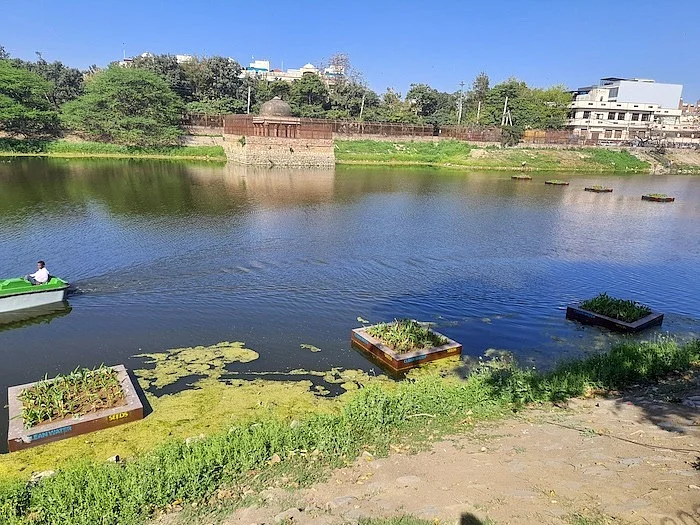
“Each intervention began with a detailed assessment of hydrology, pollution sources, and land use,” continued Talankar. “Common methods included desilting, sewage diversion, and nature-based treatment systems like constructed wetlands and floating bio-islands. In Hauz-i-Shamshi, for example, constructed wetlands were used to treat incoming water naturally, while floating islands helped reduce suspended pollutants. In Wazirabad, bioremediation and controlled inflow of treated wastewater improved water quality.
The choice of methods depended on local conditions (whether the lake was rain-fed, sewage-fed, or hydrologically disconnected) and on what would be sustainable in the long term.”
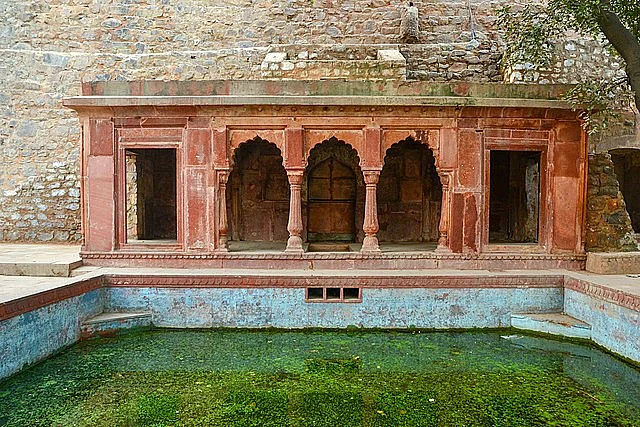
These projects were built on multi-stakeholder collaboration, placing local communities at the centre to ensure long-term ownership and sustainability. SEEDS worked with municipal bodies, state agencies, and technical institutions, with CSR funding supporting execution.
For example, Hauz-i-Shamshi involved the Archaeological Survey of India, Municipal Corporation of Delhi, and Delhi Jal Board, while Wazirabad and Dhankot were carried out with the Gurugram Metropolitan Development Authority and Municipal Corporation of Gurugram. Residents were engaged throughout—from planning to upkeep—creating accountability. Government bodies oversaw the process, while SEEDS handled technical execution.
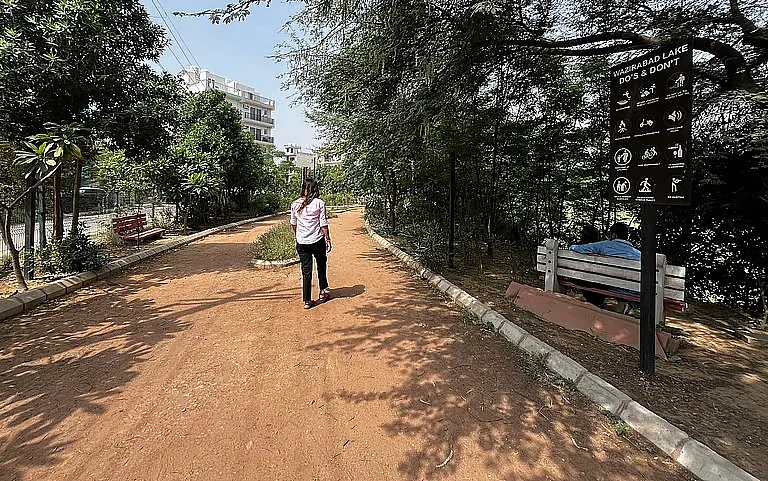
The restoration process at Wazirabad Lake began with demarcating and fencing the lake to prevent further dumping. Nearly 500 truckloads of construction and demolition waste were removed from the site. Surrounding the lake, a two-acre Lake View Park was developed, featuring native trees, flowering plants, an open gym, and children’s play areas. Over 2.5 kilometres of walking paths were added, along with benches and a viewing deck, encouraging residents to reconnect with the space. Treated wastewater is now used for maintenance, supported by a 1.5 MLD pipeline to ensure consistent water levels.
Impact On Local Life And Urban Planning
The transformation has had visible social and economic effects. What was once a neglected and unsafe zone is now an active public space where residents gather daily. Increased footfall has improved safety, with fewer reports of anti-social activity. The revival of Wazirabad Lake has also influenced the local housing market, with rental values in the area rising significantly as demand grows for homes near green, well-maintained spaces. Residents have even taken ownership of upkeep, hiring security personnel to maintain the lake and park.
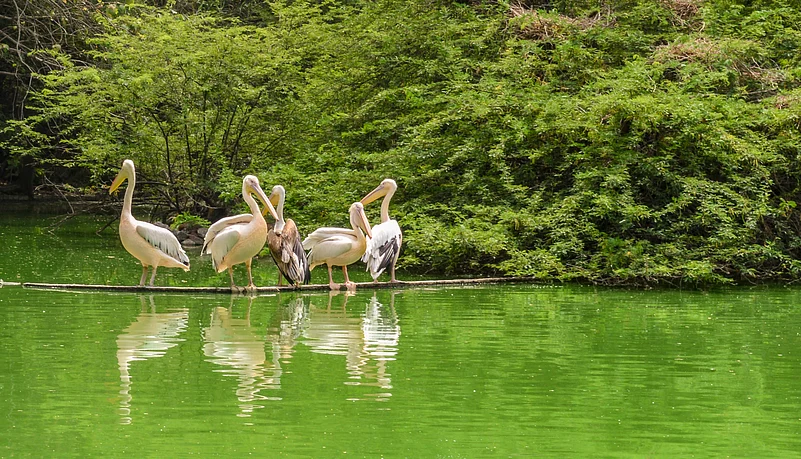
The lake, now locally known as Saraswati Kunj, supports aquatic life and attracts migratory birds, signalling ecological recovery. Its revival also highlights the role such water bodies play in addressing urban challenges like flooding and groundwater depletion—issues that continue to affect Gurugram.
Post-Restoration Monitoring
Addressing concerns about measurable improvements in biodiversity or groundwater levels, Parag Talankar said, “Post-restoration, monitoring combines periodic water quality testing with on-ground observation. Parameters like dissolved oxygen, nutrient load, and visible clarity are tracked. There are also visible ecological indicators. In Hauz-i-Shamshi, migratory birds have returned. In Wazirabad and Dhankot, there has been a noticeable revival of flora and fauna, along with improved groundwater recharge in nearby borewells.”
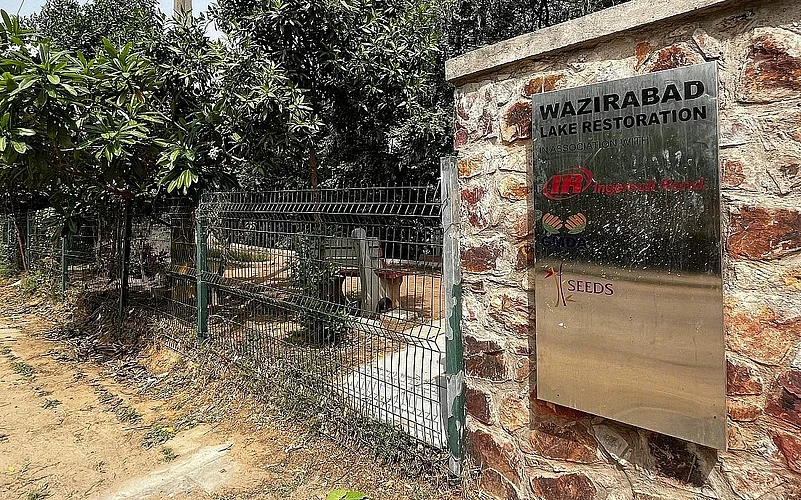
Interventions by SEEDS are shaped with community ownership, with local groups informally acting as custodians—monitoring the sites and flagging violations. A central focus is on stopping pollution at its source by ensuring only treated wastewater enters the lake and sewage systems are properly managed. On-ground measures such as fencing, regulated entry points, and clear signage further help prevent dumping and misuse.
The core focus, according to SEEDS, was restoring ecosystems and reducing pollution. As water quality improved and the sites stabilised, community spaces were introduced—like the park at Wazirabad Lake, designed to encourage local engagement rather than attract tourism. At both Wazirabad Lake and Dhankot Pond, SEEDS also prioritised creating green and blue spaces for residents, supported by CSR funding. These areas function as shared public spaces while helping reduce urban heat during peak summers. Recreation, therefore, remained a secondary outcome—supporting long-term sustainability instead of driving the projects.
The Bigger Picture: Can This Model Be Replicated?
Gurugram has identified 75 lakes within its metropolitan region, of which 45 are currently under restoration with support from non-profits. A 2019 inventory revealed that the district has 644 water bodies covering over 1,100 acres, with 446 holding strong potential for restoration. However, around 20 per cent remain under threat from untreated sewage, industrial discharge, and wastewater inflow.
Parag Talankar notes that while the restoration model can be applied across cities, its execution depends heavily on local conditions. Each water body differs in hydrology, ownership patterns, and degree of degradation, making coordination between institutions and consistent funding key challenges when scaling such efforts. “The model is replicable. The principles– catchment-based planning, wastewater management, and community engagement– can be applied across cities.”
From a policy standpoint, long-term success depends on clear governance structures and accountability. Urban local bodies must take primary charge, supported by regulations that prevent untreated wastewater discharge, alongside integrated planning that links lake restoration with drainage systems, sewage networks, and land-use policies. Continued CSR support beyond the initial restoration phase is also essential to fund maintenance, monitoring, and upkeep, ensuring that gains are not short-lived but sustained over time.
The approach so far has avoided heavy commercialisation, reducing risks to ecological balance. However, increased footfall can put pressure on these spaces if not carefully managed, which is why restoration plans now include built-in maintenance systems and ongoing community participation.
Success, he explains, is not defined by a single metric but a combination of outcomes—improved water quality, return of biodiversity, better groundwater recharge, reduced flooding, and active local stewardship. “In the long run, the real measure of success is whether the water body sustains itself– ecologically and socially– without slipping back into neglect.”
FAQs
1. How are polluted lakes in India being restored?
Polluted lakes are being restored through desilting, sewage diversion, bioremediation, constructed wetlands, and community participation to improve water quality and ecological balance.
2. What is the Wazirabad Lake restoration project?
The Wazirabad Lake project in Gurugram involved clearing waste, restoring water inflow, and developing public spaces, turning a degraded site into an active community area.
3. Why is lake restoration important in urban India?
Lake restoration helps improve groundwater recharge, reduce flooding, support biodiversity, and create accessible green spaces for urban communities.
4. Who is involved in lake revival projects in India?
Projects typically involve government bodies, environmental organisations like SEEDS, local communities, and CSR funding partners working together.
5. Can lake restoration models be replicated across India?
Yes, but success depends on local conditions such as hydrology, pollution sources, governance, and long-term maintenance planning.