


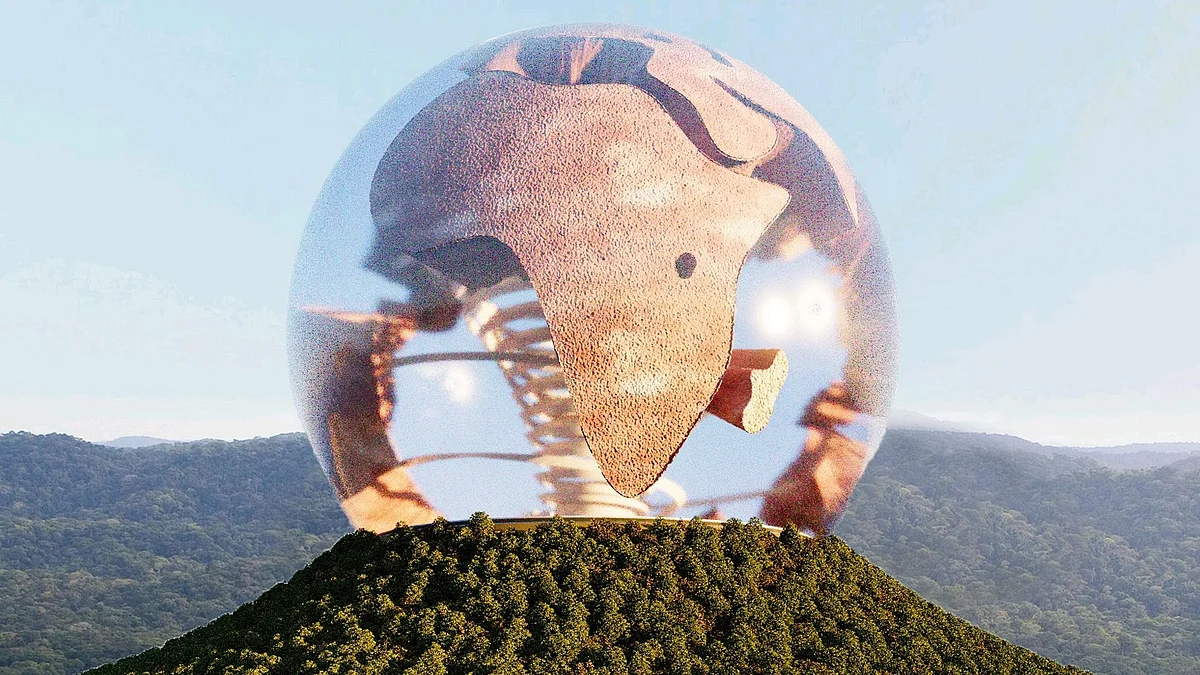
There’s something unsettling about how easily history can disappear. We've heard of precious artefacts lifted from temples and monuments, taken across borders, and locked away far from the communities that gave them meaning. As cultural heritage is lost to conflict, theft, and the shadow of colonial-era extraction, UNESCO’s response feels timely and necessary.
Launched in 2025, the Virtual Museum of Stolen Cultural Objects isn’t just another online exhibition. It is more an act of return, a digital space where lost objects resurface along with fragments of memory, identity, and belonging. It invites you not just to look, but to reflect on where these objects came from and what their absence has meant.
This shift in perspective is at the heart of the museum’s mission. It illustrates how cultural institutions are beginning to use technology not just to preserve history, but to question it, especially the uncomfortable parts about ownership, displacement, and who tells these stories.
A Digital Home For Displaced Heritage
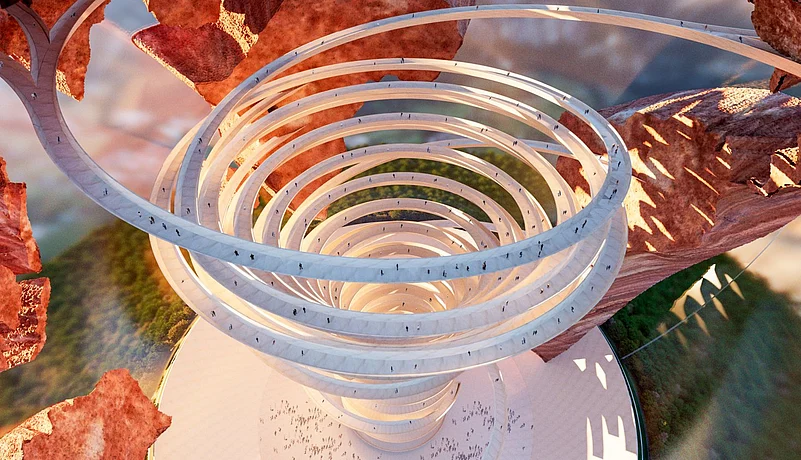

At its core, the Virtual Museum brings together nearly 240 missing cultural objects from 46 countries, each with its own story of displacement. Many were removed during colonial rule, while others were trafficked through illicit networks in recent decades.
The platform allows users to explore these objects in an immersive digital environment. They are accessible on personal devices and during UNESCO-hosted events. The idea is both simple and ambitious: to create a shared global space where lost heritage can be seen, studied, and remembered.
Importantly, the museum is designed to eventually empty itself. As stolen artefacts are recovered and repatriated to their countries of origin, they will be removed from the digital collection, symbolising progress in global restitution efforts.
Design Rooted In Symbolism And Accessibility
The museum’s design is the work of Francis Kéré, whose architectural philosophy emphasises community, sustainability, and cultural identity. Inspired by the baobab tree, a symbol of resilience and life in many African cultures, the virtual space shows both rootedness and openness.
Users can navigate through themed rooms, such as the Stolen Cultural Objects Gallery and the Return and Restitution Room. Each section is curated to guide visitors through different dimensions of cultural loss and recovery.
Advanced search features allow objects to be explored by name, material, function, or colour, making the platform educational and intuitive. The museum also includes interactive maps that trace the origins of stolen objects, alongside testimonies from communities that continue to feel the impact of their absence.
Technology Bridging Gaps In Memory
What stands out is its use of artificial intelligence to reconstruct artefacts for which only limited visual documentation exists. In many cases, stolen objects were poorly recorded before their disappearance. Through AI-driven modelling, the museum can generate digital representations that closely resemble their original appearance.
This approach not only improves accessibility but also helps preserve knowledge that might otherwise be lost. In doing so, UNESCO is exploring how digital tools can serve as preservation methods and storytelling media.
The integration of such technologies aligns with UNESCO’s broader engagement with digital transformation and its implications for culture and heritage.
Collaboration Across Borders
The Virtual Museum is not a standalone initiative. It is the result of international collaboration, financially supported by the Kingdom of Saudi Arabia and developed in partnership with INTERPOL.
This partnership highlights the intersection of culture and law enforcement in tackling illicit trafficking. By bringing together governments, museums, civil society, and policing agencies, UNESCO aims to create a framework for identifying, recovering, and returning stolen artefacts.
Beyond recovery, the platform also serves as a knowledge-sharing hub, showcasing successful restitution cases and offering best practices for heritage protection worldwide.
The Debate Around Online Repatriation
One of the most compelling and contested aspects of the museum is its embrace of “online repatriation.” By providing digital access to displaced objects, the platform offers communities a way to reconnect with their heritage, even when physical return is delayed or complicated.
Supporters argue that in today’s digital age, virtual presence can carry significant emotional and cultural value. It enables education, awareness, and a sense of ownership that transcends borders.
However, critics caution against viewing digital access as a substitute for physical restitution. They emphasise that returning artefacts to their rightful homes remains essential for cultural continuity and addressing historical injustices. UNESCO acknowledges this balance, positioning the museum as a complementary, not replacement, solution.
India’s Presence In The Museum
India’s rich cultural heritage is also represented in the Virtual Museum. Among the featured objects are two ninth-century sandstone sculptures from the Mahadev Temple in Chhattisgarh.
One depicts Nataraja, a form of Shiva performing the cosmic dance that symbolises the cycle of creation and destruction, as well as the triumph of knowledge over ignorance. The other portrays Brahma, the creator deity, seated with three faces and four arms holding sacred emblems.
These sculptures are not merely artistic masterpieces; they are embodiments of philosophical ideas central to Hindu thought. Their inclusion underscores the broader cultural and spiritual loss experienced when such objects are removed from their original contexts.
UNESCO’s Expanding Cultural Mission
Founded in 1945 after World War II, UNESCO initially focused on rebuilding educational and cultural systems in war-torn regions. Over the decades, its mission has evolved to address a wide range of global challenges, from safeguarding intangible heritage to navigating the ethical implications of emerging technologies.
The Virtual Museum of Stolen Cultural Objects reflects this evolution. By combining heritage preservation with digital innovation, UNESCO is redefining how cultural institutions respond to the complexities of the modern world.
A Museum Meant To Disappear
Perhaps the most striking idea behind the Virtual Museum is its intended impermanence. Unlike traditional museums that aim to expand their collections, this one aspires to shrink.
Each object returned, each story resolved, brings the museum closer to fulfilling its purpose. In that sense, it stands as both a repository of loss and a hopeful marker of restitution in progress.
As debates around cultural ownership continue to unfold, UNESCO’s initiative offers a new lens, one that blends memory, technology, and justice in a shared global space.
FAQs
1. What is UNESCO’s Virtual Museum of Stolen Cultural Objects?
It is a digital platform launched in 2025 that showcases stolen and displaced cultural artefacts from around the world.
2. How many objects are featured in the museum?
The museum currently includes nearly 240 artefacts from 46 countries.
3. What is the purpose of the virtual museum?
It aims to preserve knowledge, raise awareness and support the restitution of stolen cultural heritage.
4. How does technology play a role in the museum?
The platform uses AI and digital modelling to reconstruct artefacts and create immersive experiences.
5. What is ‘online repatriation’?
It refers to providing digital access to displaced artefacts, allowing communities to reconnect with their heritage.


.jpg?w=320&auto=format%2Ccompress&fit=max&format=webp&dpr=1.0)