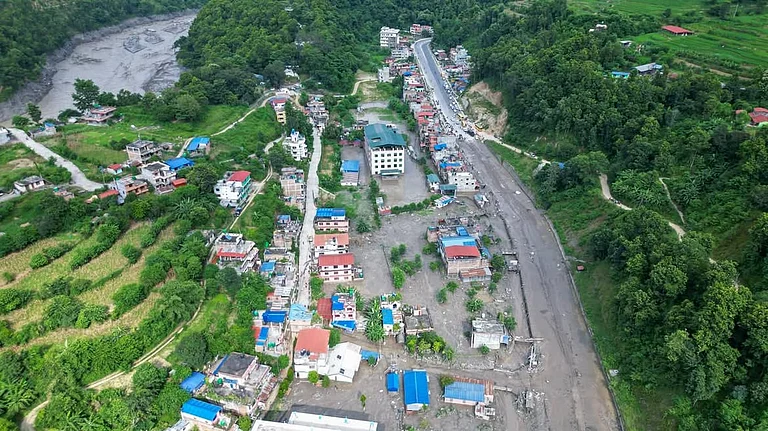


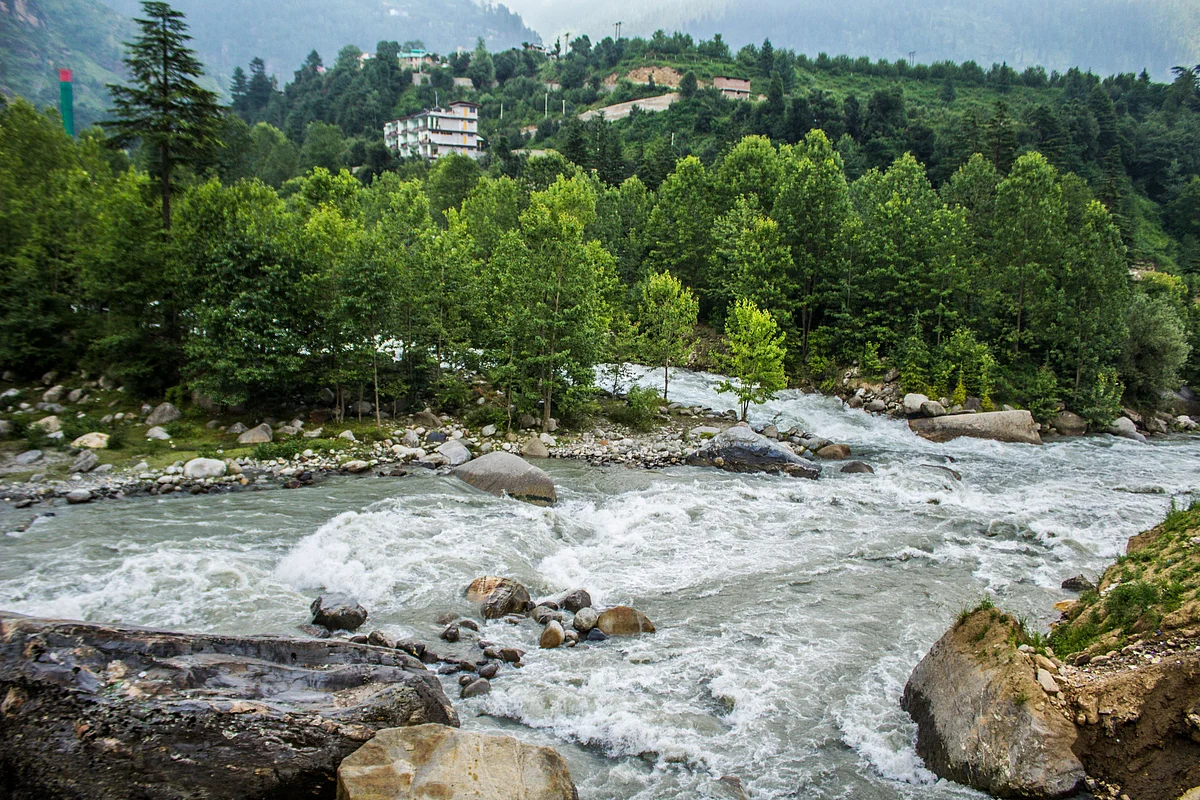
Heavy rain is disrupting road and rail connectivity across parts of northern and eastern India, with Himachal Pradesh reporting 98 blocked roads and fresh landslides in Kullu. Three members of a family were killed in Uttarakhand’s Almora after landslide debris hit their home, while north Bengal remains on alert for flooding and further landslides.
India has entered September with another active spell of monsoon rain, with landslides, rising rivers, and disrupted transport reported across parts of the Himalayan belt and eastern India. The India Meteorological Department (IMD) has forecast widespread rainfall over several regions through the first week of September, with isolated extremely heavy rain likely over Chhattisgarh on September 1 and Odisha facing another spell of intense rainfall.
Himachal Pradesh Landslides Disrupt Roads And Railway Connectivity
In Himachal Pradesh, 98 roads remained blocked as of Tuesday, with rain also affecting power and water infrastructure. The latest assessment puts the number of affected distribution transformer regions at 107. The state is expected to see active monsoon conditions through September 3, with isolated heavy rainfall forecast in several districts.
The latest disruption comes after a major landslide on Monday on the Bagipul-Jaon road in Kullu district's Nirmand subdivision. A large section of the hillside gave way, sending debris onto the road and washing away part of the road surface, bringing vehicular movement to a halt. On Monday, 76 roads had been reported blocked across the state, including 32 in Mandi, 16 in Kullu and eight in Chamba.
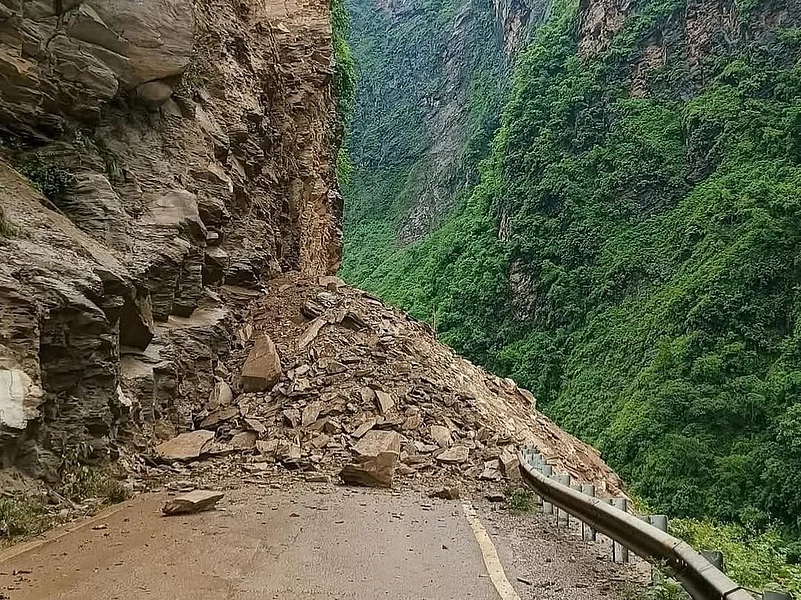

Rail connectivity has also taken a hit. A hill slip damaged the Kalka-Shimla railway track, prompting the evacuation of 391 passengers and 40 railway staff and the short-termination of four incoming trains. Restoration work has been underway amid continued rain.
The disruption comes despite Himachal recording below-normal rainfall overall this monsoon. Between June 1 and August 31, the state received 553.7 mm of rain against a normal 613.8 mm, a 10 per cent deficit. However, rainfall has been uneven, with Shimla and Kullu recording 14 per cent excess rainfall during the season so far.
Uttarakhand And Kalimpong Face Fresh Landslide And Flood Risks
In Uttarakhand, the situation turned deadly on Tuesday. Three members of a family were killed in Almora after debris from a hillside crashed into their house during heavy rain. The incident comes as the IMD maintains a warning for very heavy rainfall over parts of Uttarakhand and forecasts widespread rain in the state through September 6.
The Himalayan states remain particularly vulnerable as saturated slopes become unstable. The IMD has forecast fairly widespread to widespread rainfall over Himachal Pradesh from August 31 to September 4 and Uttarakhand from August 31 to September 6. Isolated heavy rainfall is expected over Himachal Pradesh through September 3, while Uttarakhand could see isolated very heavy rainfall around August 31 and September 1.
In West Bengal, heavy rain is affecting both the plains and the hills. North Bengal, including Kalimpong and Darjeeling, has reported landslides amid persistent rainfall, while rising water levels in rivers have added to concerns in low-lying areas. Local reports have advised travellers to avoid unnecessary movement towards the hill districts as road conditions remain vulnerable.
The IMD has forecast fairly widespread to widespread rain across Sub-Himalayan West Bengal and Sikkim through September 6, with isolated heavy rainfall expected from September 1 to 4. Gangetic West Bengal is also expected to receive widespread rainfall through September 3.
IMD Forecast: More Heavy Rain Across Eastern, Central, And Northeast India
The situation is also being closely watched in Odisha, where the Subarnarekha river is rising in Balasore amid persistent rain, raising the possibility of renewed flooding. Authorities are monitoring river levels and preparing for possible evacuations in vulnerable areas.
Odisha remains under particular scrutiny because the state has already dealt with flooding this monsoon. The latest IMD forecast calls for isolated extremely heavy rainfall on September 1, while widespread rainfall is expected across Odisha through the early part of the month.
Chhattisgarh is another area of concern. The IMD has forecast isolated extremely heavy rainfall on September 1, with widespread rainfall expected across the state through September 6. East Madhya Pradesh is also likely to see very heavy rain during the coming days, increasing the risk of localised flooding and waterlogging.
The Northeast is not out of the weather system either. Assam and Meghalaya are expected to receive widespread rainfall through September 6, with isolated heavy rain forecast during the period. Arunachal Pradesh could see heavy rain from September 1 to 3, while Nagaland, Manipur, Mizoram, and Tripura remain under a prolonged spell of rainfall and thunderstorm activity.
The IMD's latest assessment points to a weather system over the northwest Bay of Bengal and adjoining West Bengal and north Odisha coasts. The well-marked low-pressure area was lying over Gangetic West Bengal and adjoining areas on August 31 and was expected to move west-northwestwards across north Odisha and Gangetic West Bengal over the following 24 hours.
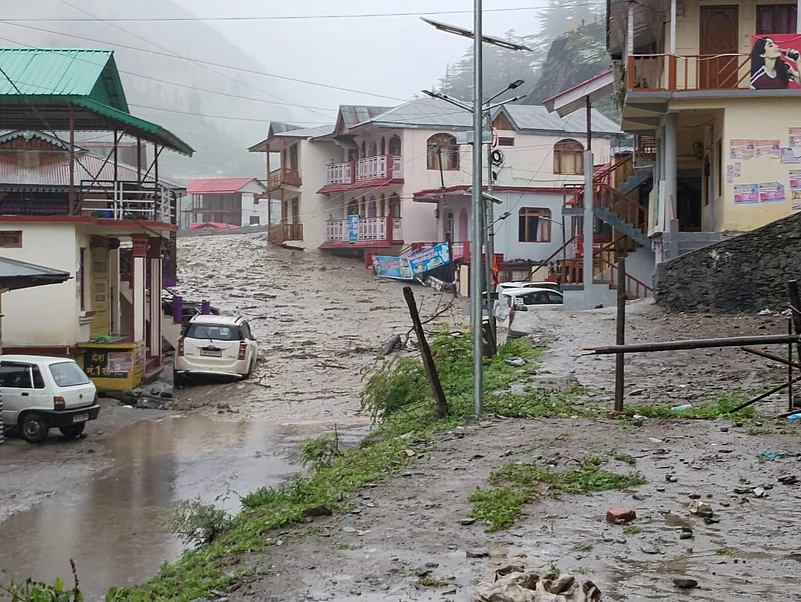
The system is contributing to the concentration of heavy rainfall over eastern and central India even as another rain-bearing pattern keeps the Himalayan region active. The IMD has also forecast widespread rainfall over Jammu and Kashmir, Himachal Pradesh and Uttarakhand during the opening days of September.
For travellers, the immediate concern is less about rain in itself and more about road closures, landslides, flash floods, and rapidly changing conditions in mountain destinations. Himachal Pradesh has advised residents and tourists to avoid landslide- and flash-flood-prone areas, stay away from rivers and streams and follow local traffic advisories.
With heavy rain expected to continue across several regions, the start of September is proving to be less of a monsoon wind-down and more of another period of weather-related disruption across India.
(With inputs from various sources)
FAQs
1. Is Himachal Pradesh affected by heavy rain and landslides?
Yes. Several roads have been blocked in Himachal Pradesh, with fresh landslides reported in districts including Kullu. Rain has also disrupted railway connectivity.
2. Which parts of India are expected to receive heavy rain in September 2026?
The IMD has forecast widespread rainfall across several regions, including the Himalayan states, eastern and central India and parts of the Northeast, with isolated very heavy or extremely heavy rain in some areas.
3. Is it safe to travel to Himachal Pradesh during heavy rain?
Travellers should check the latest weather, road and traffic advisories before travelling. Landslides and flash floods can cause sudden road closures in mountain areas.
4. Are Kalimpong and Darjeeling affected by heavy rain?
Yes. Persistent rainfall has triggered landslides and raised concerns about flooding in parts of north Bengal, including the Darjeeling and Kalimpong hills.
5. Which states are under heavy rain alert in India?
The IMD has forecast widespread rainfall across several states, including Himachal Pradesh, Uttarakhand, West Bengal, Odisha, Chhattisgarh, Madhya Pradesh, Assam, Meghalaya and Arunachal Pradesh, with some areas at risk of very heavy or extremely heavy rain.