

“If an animal kills me, it’s my fault, not theirs.”Steve Irwin
It is of the utmost certainty that any generation brought up upon such spectacles as “Jaws,” “Deep Blue Sea,” or, in more recent acquaintance, “The Meg,” must regard sharks with an odd mixture of terror, dread, and trembling fascination. Yet, for all the dreadful reputations bestowed upon them by cinema and sailors’ lore alike, the reality of encountering a shark beneath the sea is often far removed from the violence so confidently imagined upon land.
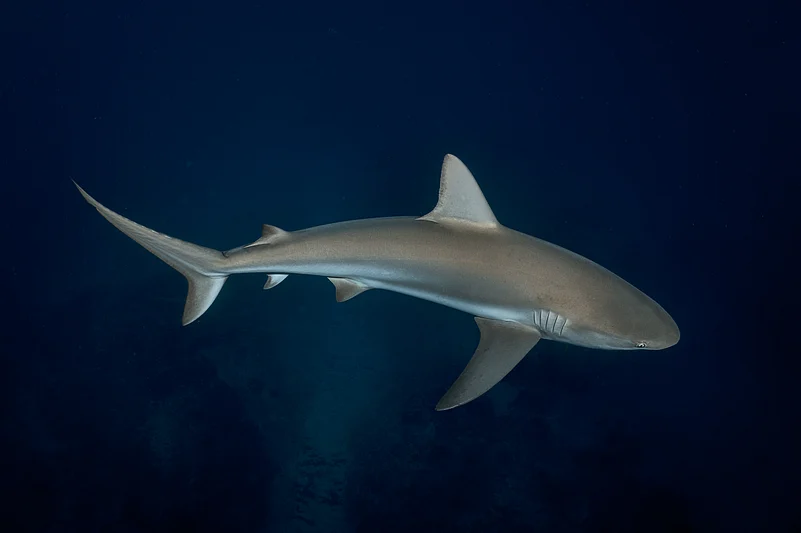
Marine experts and conservationists have long argued that sharks remain among the most misunderstood species in the ocean. While documented shark attacks on humans remain statistically rare, several shark species today face declining populations due to overfishing, bycatch, habitat degradation, and the global shark fin trade. Researchers increasingly emphasise the ecological importance of sharks as apex predators that help maintain balance in marine ecosystems.
A growing body of scientific research now points to the scale of the crisis facing shark populations. According to updated assessments by the International Union for Conservation of Nature’s Shark Specialist Group, more than one-third of all shark and ray species are currently threatened with extinction due largely to overfishing, habitat degradation, and bycatch. Researchers assessed nearly 1,200 species globally, warning that several populations are now in “free fall” across heavily fished regions.
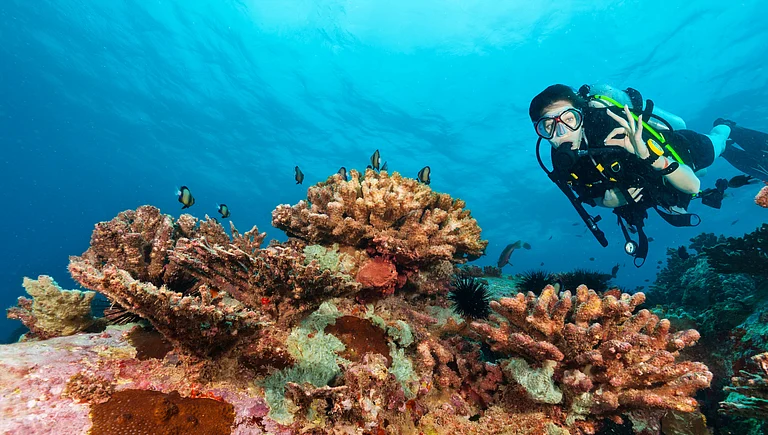
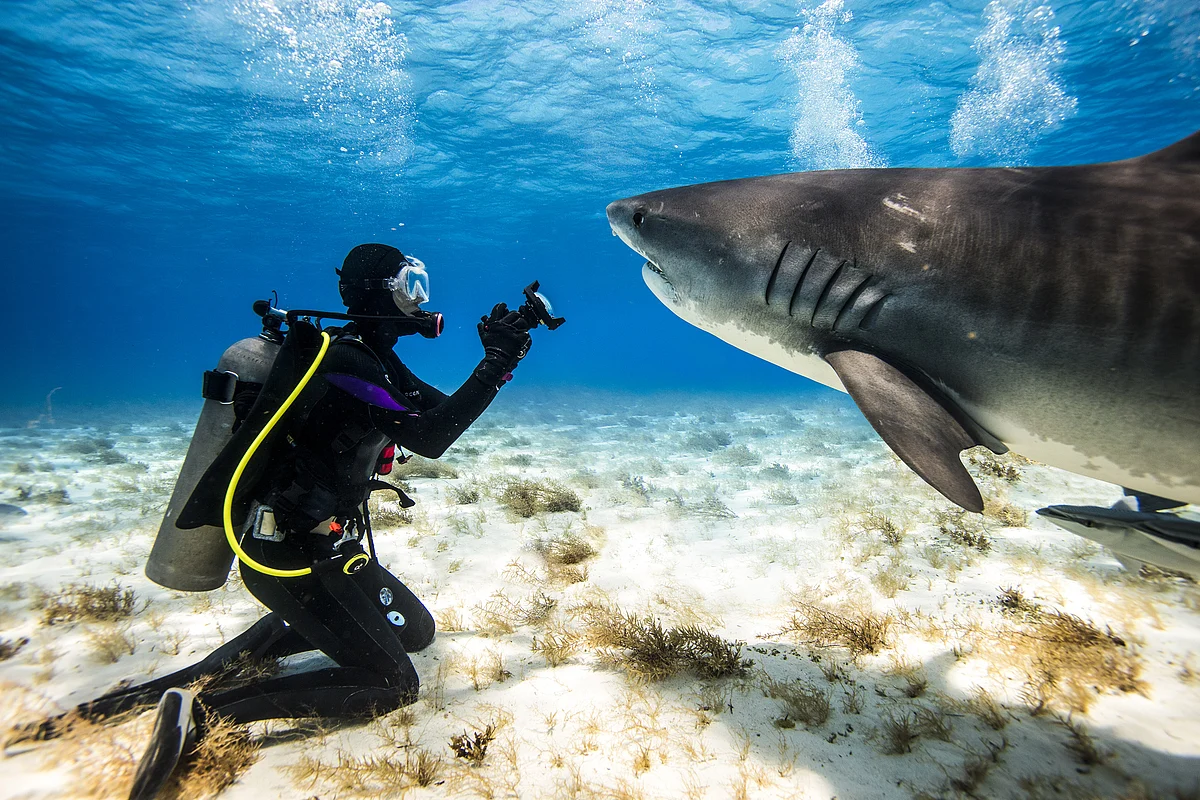
At the same time, shark diving and controlled swimming experiences have steadily gained popularity across destinations such as the Maldives, South Africa, Fiji, the Bahamas, and parts of Australia. What was once considered an extreme niche activity is now emerging as a growing segment within marine and adventure tourism. Dive operators say travellers are increasingly seeking wildlife encounters rooted in education, conservation awareness, and responsible interaction rather than adrenaline alone.
This shift has also led to greater emphasis on ethical practices in shark tourism. Marine organisations and certified operators advocate for strict guidelines that discourage invasive behaviour, overcrowding, indiscriminate baiting, and physical interaction with marine life. In several destinations, shark tourism has additionally created economic incentives for local communities to protect shark populations, positioning the animals as more valuable alive than through commercial fishing.
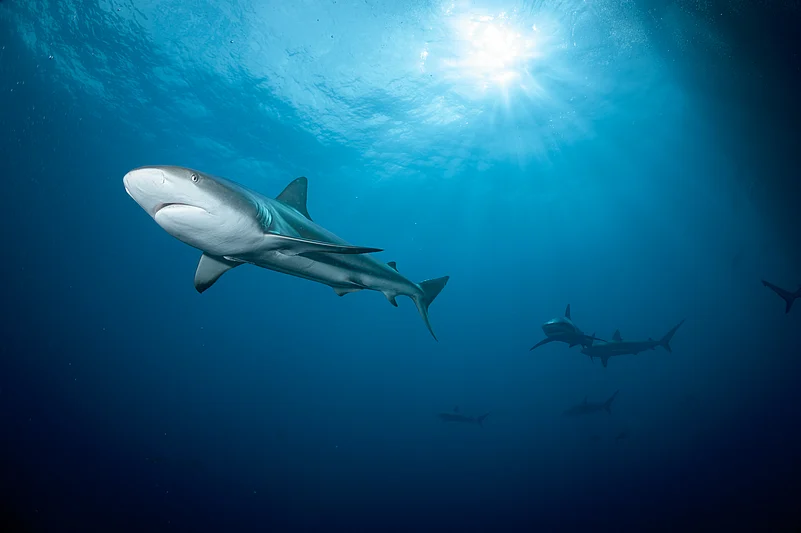

According to PADI (Professional Association of Diving Instructors) AWARE Foundation, this shift in traveller behaviour is closely linked to growing public awareness around marine conservation and the ecological role of sharks.
In an exclusive interview with Outlook Traveller, Katie Thompson, executive director of PADI AWARE, said shark encounters often create a “profound shift in perspective” among divers, transforming fear into understanding and, in many cases, into long-term advocacy for ocean protection.
From Fear-Based Narratives To Ecological Reality
For decades, sharks have occupied a singular position within popular imagination — creatures associated more with danger than ecological value. Thompson said much of this perception was shaped by fear-driven narratives in cinema and popular culture, which portrayed sharks primarily as threats rather than as essential components of healthy marine ecosystems.
“In truth, sharks are highly intelligent, ecologically important apex predators that play a critical role in maintaining balance within marine ecosystems,” she said. Comparing them to terrestrial predators such as wolves and grizzly bears, Thompson noted that healthy ecosystems depend on the presence of top predators, and their decline can create cascading effects throughout the food web.
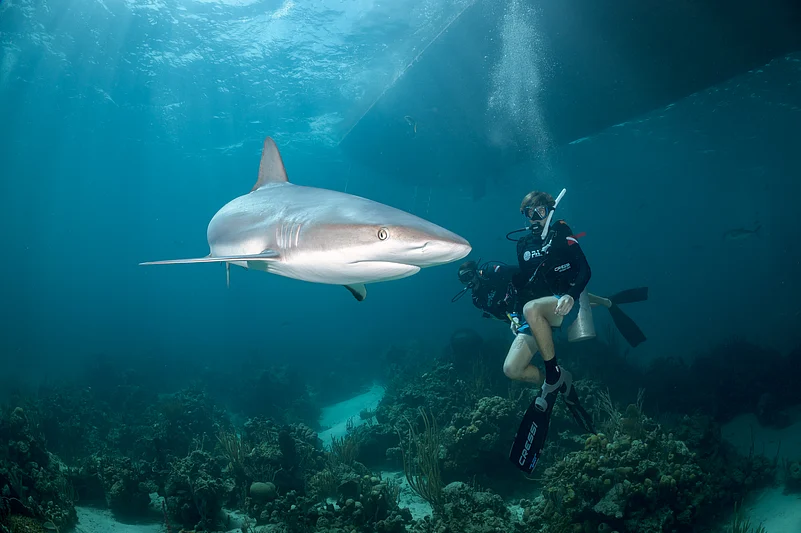
Responsible tourism, she argued, has become one of the most effective tools in reshaping public perception. Encounters conducted under the supervision of trained operators allow travellers to observe sharks behaving naturally in the wild, often replacing fear with curiosity and respect.
“The goal is not to eliminate respect for sharks, but to replace irrational fear with informed respect rooted in science, education, and firsthand experience,” Thompson said.
This transformation in perception is increasingly influencing the broader tourism industry as well. In several coastal destinations, shark tourism is no longer marketed solely as an adrenaline-driven activity, but as a conservation-linked experience tied to marine education and ecosystem awareness.
The Rise Of Ethical Shark Tourism
The growth of shark diving tourism has also intensified conversations around ethics and sustainability. Marine conservation groups have repeatedly warned that poorly regulated wildlife tourism can disrupt animal behaviour, damage habitats, and commercialise fragile ecosystems.
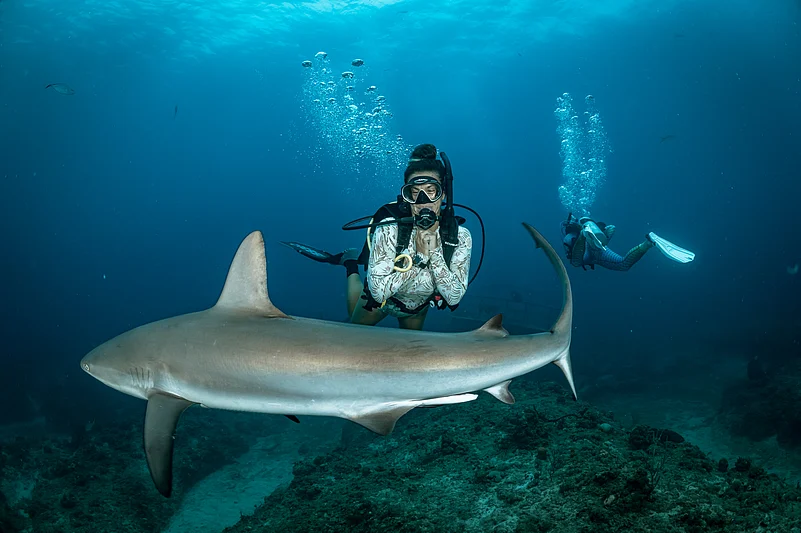
Thompson said responsible shark tourism depends heavily on how operators conduct interactions underwater. Well-regulated experiences, she explained, should prioritise animal welfare, diver education, and ecosystem protection over entertainment value.
“The experience should be about observing and respecting marine life in its natural environment, not provoking or manipulating animal behaviour for entertainment,” she said.
According to PADI AWARE’s guidelines for responsible shark and ray tourism, divers and operators are encouraged to avoid practices such as touching, chasing, cornering or obstructing marine animals. Responsible briefings, controlled group sizes and adherence to local environmental regulations are increasingly becoming markers of ethical shark diving operations globally.
The debate around baiting and chumming — methods sometimes used to attract sharks — continues to divide the dive industry. While some operators defend the practices as controlled and necessary for sightings, critics argue that they may alter natural behaviour patterns. Thompson maintained that the preference within the dive community remains focused on observing sharks behaving naturally in their environment, “rather than altering behaviour through attractants or unnecessary interference.”
Part of what makes shark encounters meaningful, she added, is precisely their unpredictability. “They are wild, natural, and never guaranteed.”
Tourism As A Conservation Economy
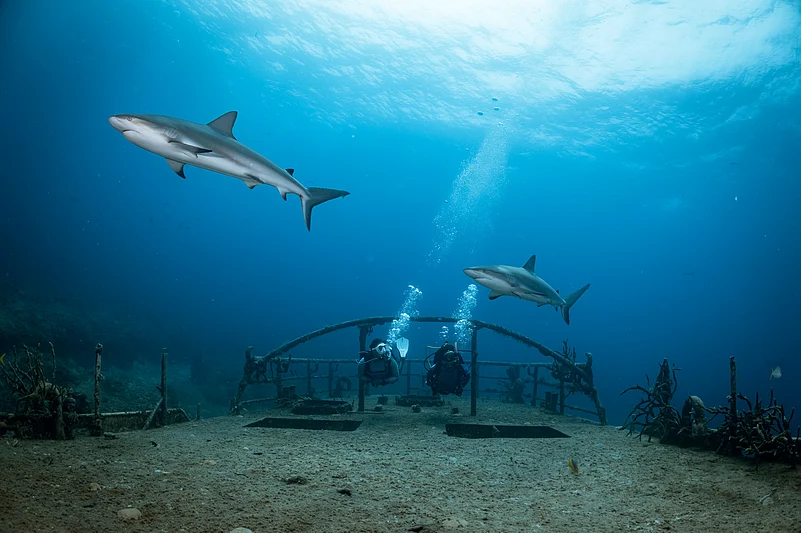
Beyond public perception, shark tourism is increasingly being viewed through an economic lens. Demonstrating the economic value of living sharks can encourage governments and coastal communities to support stronger marine protections.
“In many regions, a living shark is worth far more to local economies through tourism than through exploitation or extractive fishing,” Thompson said.
This economic argument has become particularly significant in regions dependent on coastal tourism. Shark diving industries in countries such as the Bahamas, Fiji, and the Maldives have generated employment for dive operators, local guides, boat crews, and hospitality businesses, while simultaneously strengthening support for marine protected areas and shark sanctuaries.
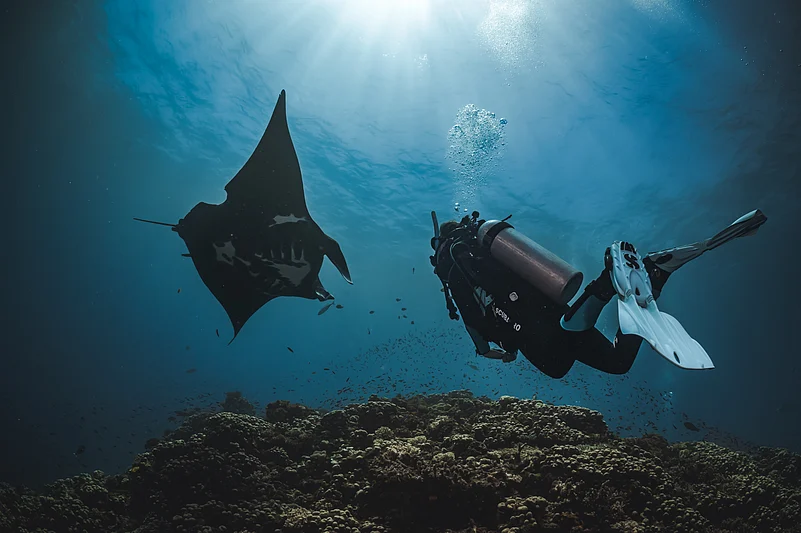
According to Thompson, shark tourism has contributed to the establishment and long-term support of several marine conservation zones globally. As governments increasingly recognise the financial potential of sustainable marine tourism, sharks are being reframed not merely as wildlife requiring protection, but as critical assets within ocean-based economies.
However, the economic benefits of shark tourism can only remain sustainable if ecosystems themselves remain healthy. Overcrowding, irresponsible operators, and habitat degradation continue to threaten several marine destinations experiencing rapid tourism growth.
“The future of shark tourism depends on maintaining a healthy balance between meaningful wildlife experiences and long-term protection of the species and ecosystems that make those experiences possible,” Thompson said.
Citizen Science Beneath The Surface
One of the more significant shifts within modern dive tourism is the growing integration of citizen science programmes into recreational diving experiences. Divers are increasingly being encouraged not only to observe marine life but also to contribute data that can assist scientific research and conservation planning.
Through initiatives such as the AWARE Global Shark & Ray Census, divers record sightings of sharks and rays, noting species, abundance, location and even dives where no sightings occur. Thompson said the absence of sightings is often just as important as confirmed encounters, since it helps researchers understand population trends and ecosystem changes over time.
“Scientists alone cannot monitor the ocean at the scale or frequency needed to fully understand what is happening beneath the surface,” she said. “Divers represent a powerful global community of ocean observers.”

The initiative, developed with scientific oversight from James Cook University, aims to create standardised data collection methods that researchers and policymakers can use for conservation planning. Aggregated globally, such data may help identify critical habitats, track species distribution, and support the creation of marine protected areas and Important Shark and Ray Areas (ISRAs).
Citizen science programmes, Thompson argued, also deepen emotional investment in marine conservation. Divers who contribute to monitoring efforts often begin to view recreational diving as a form of stewardship rather than passive tourism.
What Divers Are Witnessing Underwater
For divers who have spent decades returning to the same reefs and coastlines, the changes unfolding beneath the ocean surface are becoming increasingly visible.
A peer-reviewed global study found that oceanic shark and ray populations have declined by 71 per cent since 1970, driven primarily by an 18-fold increase in fishing pressure over the past five decades. Scientists involved in the study warned that many open-ocean shark species now face elevated extinction risks unless stricter conservation measures and catch regulations are implemented globally.
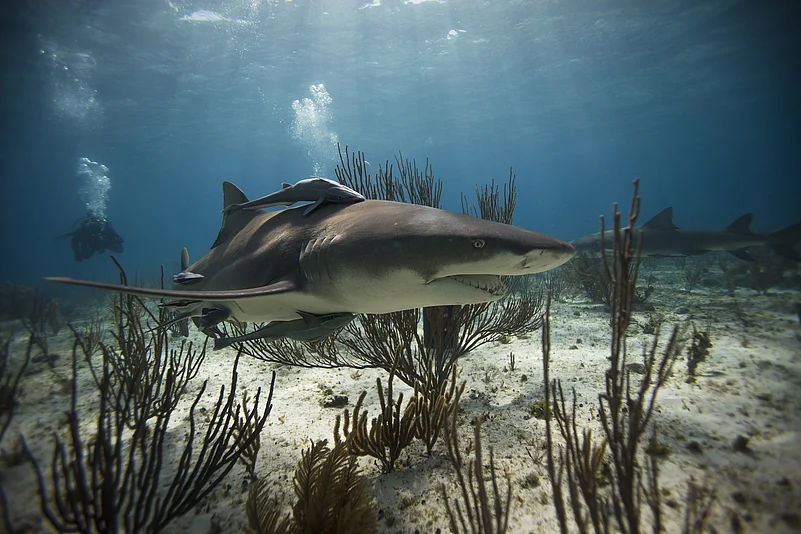
Thompson said experienced divers frequently report declines in marine biodiversity and shark abundance, particularly in heavily fished regions. While some protected ecosystems have shown encouraging signs of recovery, many longtime divers describe marine environments that appear dramatically altered compared to a few decades ago.
“You often hear longtime divers describe shark encounters or levels of marine life that seem almost unimaginable compared to what exists in some places today,” she said.
The concern extends beyond sharks alone. As apex predators, sharks are often considered indicators of broader ecosystem health. Their decline can signal deeper imbalances within marine food chains, many of which are being exacerbated by climate change, habitat degradation, overfishing and warming oceans.
According to the International Union for Conservation of Nature’s Shark Specialist Group, more than one-third of all shark and ray species are currently threatened with extinction. Species such as hammerheads, oceanic whitetip sharks, shortfin makos, sawfish, and wedgefish are among those facing severe population pressures globally.
Urgency is particularly high across biodiversity hotspots in Southeast Asia, the Indo-Pacific, the Mediterranean, and parts of the Western Indian Ocean, where fishing pressure and habitat loss continue to intensify.
The New Generation Of Divers
Alongside changing conservation priorities, dive operators are also witnessing a generational shift in traveller motivations. According to Thompson, younger travellers are increasingly seeking purpose-driven experiences that combine adventure with environmental awareness.
“We are seeing growing participation from younger generations in conservation-focused diving activities such as citizen science programmes, coral restoration, and shark conservation initiatives,” she said.
This shift reflects a broader movement within global tourism, where travellers increasingly seek experiences connected to sustainability, education and social responsibility. Dive tourism operators now routinely incorporate reef cleanups, marine workshops and conservation briefings into itineraries that once focused solely on recreation.
Within the PADI network, programmes such as Junior AmbassaDiver have also attempted to involve younger divers in global ocean advocacy conversations. Thompson noted that younger generations are not simply future stakeholders in marine conservation but are already participating in international discussions around ocean policy and sustainability.
“The next generation perspective is incredibly important because young people will inherit the consequences of the decisions being made today about the future of the ocean,” she said.

As shark tourism continues to expand globally, the future of the industry may ultimately depend less on spectacle and more on stewardship. For an animal long defined by fear and myth, the shift underway beneath the surface is increasingly one of education, coexistence, and ecological urgency.
FAQs
What is ethical shark tourism?
Ethical shark tourism refers to responsible diving and marine experiences that prioritise shark welfare, conservation, diver education, and sustainable interaction without disturbing natural behaviour.
Is shark diving safe for tourists?
Shark diving conducted by certified operators following strict safety and environmental guidelines is generally considered safe for trained participants and recreational divers.
Which countries are popular for shark tourism?
Destinations such as the Maldives, Fiji, the Bahamas, South Africa, and Australia are among the most popular places for responsible shark diving experiences.
How does shark tourism help conservation?
Shark tourism creates economic incentives for local communities and governments to protect marine ecosystems, while also supporting marine protected areas and conservation research.
What is the PADI AWARE shark census?
The AWARE Global Shark & Ray Census is a citizen science initiative where divers record shark and ray sightings to help researchers monitor marine biodiversity and population trends globally.