

Gen Z may be the most digitally connected generation, but their approach to luxury travel is becoming increasingly focused on wellness, purpose, and meaningful experiences. According to recent research that surveyed nearly 2,500 Gen Zs across seven Asia-Pacific markets, 71 per cent consider sustainability when booking luxury trips, while 59 per cent are willing to pay more for eco-conscious accommodation, with many seeking wellness and privacy.
At the same time, digital culture continues to influence how young people travel. Among Malaysian Gen Z travellers, 78 per cent look to TikTok for travel inspiration, 70 per cent use Instagram, and 60 per cent turn to YouTube. Yet despite living in a digital world, many young travellers are seeking more opportunities to disconnect, slow down, and prioritise their mental well-being.
This shift has driven the rise of quietcations and hushpitality, travel trends that place privacy, rest, and intentional disconnection at the heart of the experience.
Why Quietcations Are Resonating With Gen Z


For a generation that has grown up online, overstimulation has become part of everyday life. Between social media feeds, work emails, instant messaging, and a never-ending news cycle, many young travellers are constantly connected.
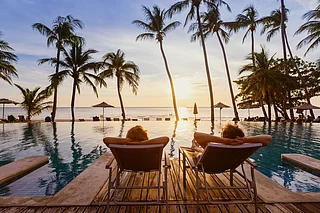
A quietcation offers the opposite. Instead of chasing experiences from sunrise to sunset, travellers are choosing destinations where the goal is simply to rest. Whether it's a cabin tucked away in the woods, a secluded mountain retreat, or a wellness resort focused on sleep and mindfulness, these getaways are designed to help travellers switch off.
Many experts compare this to a form of dopamine detox. The idea is not necessarily to avoid technology forever but to take a break from the constant stimulation that has become normal in everyday life.
The Shift Away From Traditional Luxury
Traditional luxury travel has long been associated with grand hotels, elaborate experiences and a packed itinerary. However, younger travellers are increasingly redefining what luxury means.
For many Gen Z travellers, luxury is not about having someone carry their luggage or being surrounded by extravagance. Instead, it is about privacy, silence, and having complete control over their time.
This has led to a growing demand for low-pressure experiences. Travellers are looking for places where they can check in digitally, avoid unnecessary interactions, and enjoy uninterrupted personal space.
Understanding The Language Of The Trend

As the trend grows, a new travel vocabulary has emerged around it.
Hushpitality refers to hospitality experiences designed around privacy, minimal staff interaction, and peaceful environments.
Sleep Tourism focuses on travel experiences where high-quality rest is the primary goal. Special sleep programmes, blackout rooms, soundproof spaces, and wellness treatments are often part of the experience.
Invisible Service delivers premium hospitality seamlessly through technology, enabling guests to access services without frequent face-to-face interactions.
Anti-Itinerary is a travel philosophy centred around having no fixed plans, allowing travellers to move through their holiday at their own pace.
Gen Z Still Wants Experiences

The rise of quietcations does not mean Gen Z travellers are losing interest in experiences.
Research shows that local cuisine remains one of the biggest drivers of travel decisions for Gen Z. In fact, about 9 in 10 respondents said food options are a major factor in their destination choice, while 35 per cent believe local street food is what truly enhances their overall travel experience. Beyond food, many young travellers are also seeking deeper connections with local culture and communities, favouring experiences that feel authentic and memorable.
What has changed is the balance. While Gen Z travellers are still eager to explore new cultures, cuisines, and experiences, they are no longer looking to pack every hour of their itinerary with activities. Instead, many are becoming more intentional about how they spend their time and energy, creating space for both exploration and rest.
As burnout and digital fatigue continue to shape consumer behaviour, quietcations are likely to become more than just a passing travel trend. For Gen Z, travelling well is no longer about showing the world where you are. It’s about making sure the world can’t find you at all.
FAQs
1. What is a quietcation?
A quietcation is a holiday designed around rest, relaxation and intentional disconnection from digital distractions and busy schedules.
2. What is hushpitality?
Hushpitality refers to hospitality experiences focused on privacy, minimal staff interaction and seamless service.
3. Why are quietcations popular with Gen Z?
Many Gen Z travellers experience digital fatigue and burnout, making slower, wellness-focused travel increasingly appealing.
4. What is sleep tourism?
Sleep tourism is a travel trend where high-quality rest becomes the primary goal, often supported by wellness programmes and sleep-focused amenities.
5. Does Gen Z still want experiences while travelling?
Yes. Research shows Gen Z values local cuisine, authentic cultural experiences and meaningful connections, but prefers a more balanced pace.
6. Are quietcations part of wellness travel?
Yes. Quietcations overlap strongly with wellness travel, mindfulness retreats, digital detox holidays and slow travel experiences.