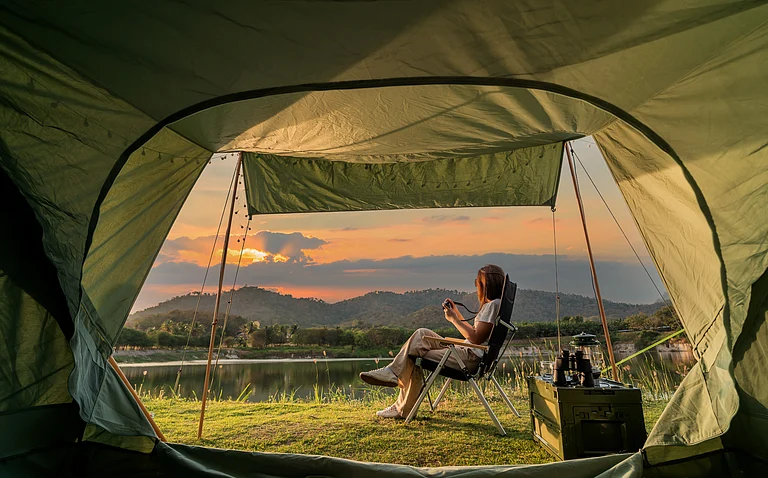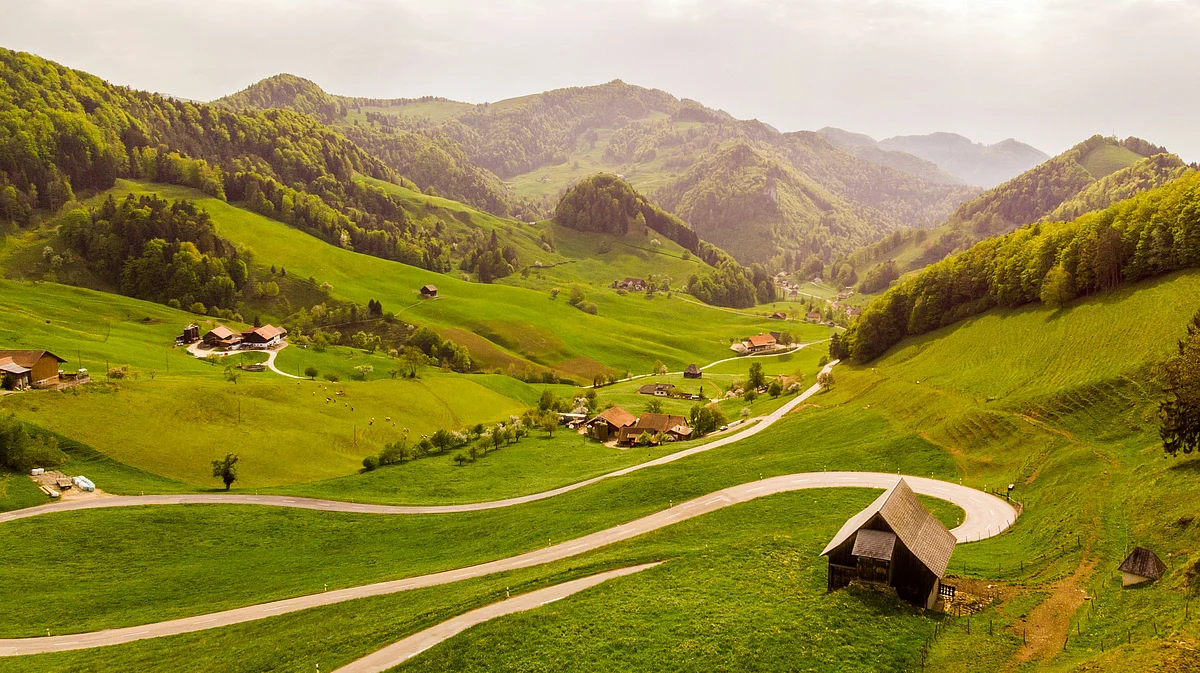
The World Happiness Report has, over the years, become more than just a global scoreboard of who’s smiling the most. It’s a layered study of how people experience their everyday lives—factoring in income, social support, life expectancy, personal freedom, generosity, and trust in institutions. In 2026, the report once again highlights a pattern: happiness isn’t about excess, but about balance. What stands out this year is both continuity and surprise—Nordic countries remain firmly at the top, while Costa Rica breaks into the top five, offering a refreshing contrast rooted in community and nature. For travellers, this list doubles as an invitation. These are not just places to visit, but places to observe, absorb, and perhaps borrow a few life lessons from.
Finland
Finland’s consistent top ranking is no accident. Here, happiness is built into systems—reliable healthcare, strong education, and a deep sense of trust between people. Daily life is structured in a way that reduces stress rather than glorifying it.
For travellers, Finland offers a chance to experience simplicity done exceptionally well. Public spaces are thoughtfully designed, cities feel safe at all hours, and nature is always within reach. Whether it’s stepping into a lakeside sauna or watching the Northern Lights from a quiet cabin, the Finnish approach is clear: slow down, and the experience will deepen on its own.
Iceland
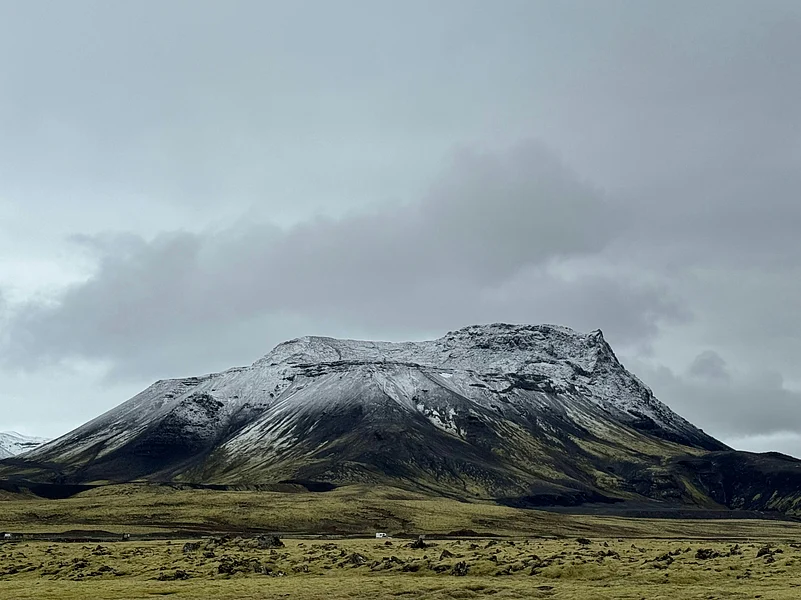

Iceland’s position near the top reflects something deeper than scenic beauty. Life here has been shaped by isolation and extreme weather, fostering a culture where people rely on each other. That shared resilience translates into strong social bonds.
Visitors quickly notice how the outdoors is not treated as an escape, but as an extension of daily life. Geothermal pools, volcanic landscapes, and long summer days encourage you to step outside regardless of conditions. There’s also an underlying optimism—a belief that things tend to work out—which quietly shapes how people approach life here.
Denmark
Denmark’s version of happiness isn’t loud or showy. It’s grounded in trust, equality, and a sense of shared responsibility. People move through their days without the constant pressure to overachieve, and that makes a visible difference.
Copenhagen, in particular, reflects this mindset. Clean waterways, cycling culture, and accessible public spaces create a city that feels both efficient and relaxed. For travellers, the takeaway is simple: you don’t need a packed itinerary. Sometimes, the most telling moments come from doing very little—walking, sitting by the water, or simply observing daily life unfold.
Costa Rica
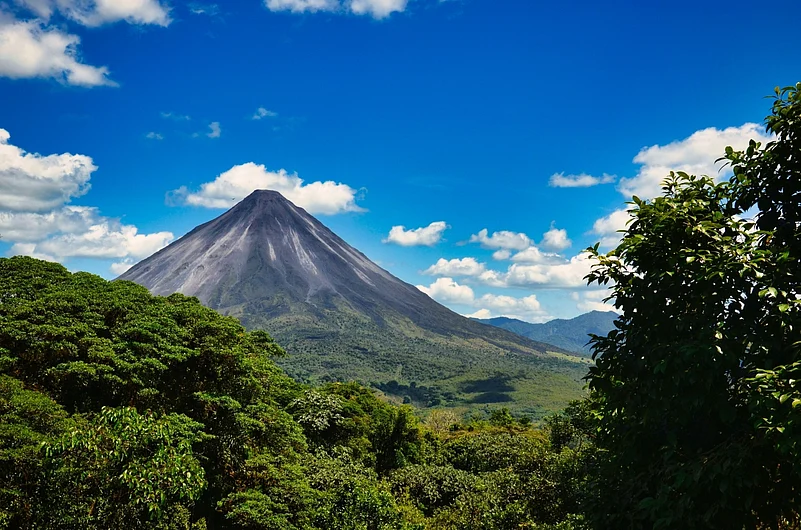
The biggest story of 2026 is Costa Rica’s rise into the top five. Unlike its European counterparts, its happiness isn’t driven by wealth alone. Instead, it comes from strong community ties, a deep connection to nature, and a cultural outlook that prioritises wellbeing over material gain.
For visitors, Costa Rica feels instantly different. Life spills outdoors—into beaches, forests, and small towns designed for human interaction rather than speed. Conversations come easily, and there’s an emphasis on enjoying the present moment. It’s a place that gently nudges you to reconsider what “quality of life” really means.
Sweden
Sweden’s approach to happiness lies in its ability to balance modern living with access to nature. Cities are efficient but never overwhelming, and green spaces are never too far away.
What stands out is the cultural emphasis on equality and ease. Social hierarchies feel less pronounced, and daily interactions are straightforward. For travellers, Sweden offers simple pleasures that leave a lasting impression—long summer evenings, island-hopping near Stockholm, and the everyday ritual of pausing for coffee and something sweet.
Norway
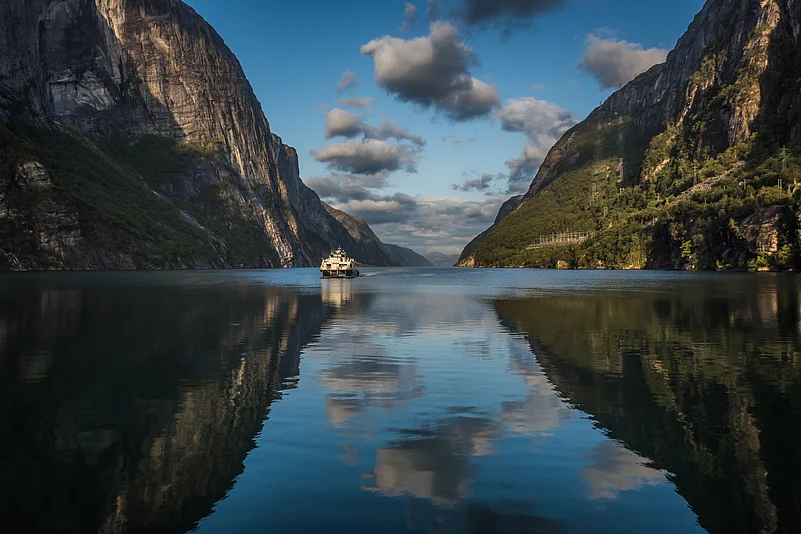
Norway’s dramatic landscapes are more than just postcard material—they’re central to how people live. Mountains, fjords, and open spaces are part of daily routines, not occasional escapes.
This constant access to nature contributes to both physical and mental wellbeing. Visitors often find themselves drawn into outdoor experiences almost unintentionally, whether it’s hiking, ferry rides through fjords, or simply spending time by the water. The lifestyle here quietly reinforces the idea that time outdoors isn’t optional—it’s essential.
The Netherlands
The Netherlands blends efficiency with a high quality of life. Cities are designed for ease—cycling infrastructure, compact layouts, and well-connected transport make movement effortless.
There’s also a strong sense of work-life balance. People value their time outside of work, and that shows in how cities function after hours. For travellers, it’s an easy country to navigate, but also one that encourages you to slow down—whether you’re cycling through canals or exploring smaller towns beyond Amsterdam.
Israel
Despite ongoing challenges, Israel’s presence in the top 10 highlights the importance of social connections and community networks. People tend to maintain strong ties with family and friends, creating support systems that cushion everyday stress.
For visitors, this translates into a vibrant, layered experience. Markets, cultural spaces, and shared meals offer insight into a society that values connection deeply, even in the face of uncertainty.
Why This List Matters For Travellers
What the World Happiness Report 2026 ultimately shows is that happiness isn’t tied to a single formula. In some places, it comes from strong institutions; in others, from community or nature. But across all these countries, a few themes repeat—trust, balance, access to green spaces, and the freedom to shape one’s own life.
For anyone planning their travels this year, this list offers more than destinations. It offers perspective. You might arrive for the landscapes or the culture, but you’ll likely leave noticing something subtler—how people live, what they prioritise, and what they choose to let go of. And sometimes, that’s the kind of souvenir that lasts the longest.
FAQs
1. What is the World Happiness Report?
An annual global study that ranks countries based on how residents evaluate their quality of life and overall wellbeing.
2. Which country is the happiest in 2026?
Finland ranks first in 2026, continuing its long-standing position at the top of the list.
3. Why are Nordic countries always ranked highly?
They score well on social support, trust, public services, and work-life balance, all of which shape daily life.
4. What makes Costa Rica’s ranking significant this year?
It is the first Latin American country to enter the top five, driven by strong community values and lifestyle factors.
5. How can travellers experience happiness in these countries?
By embracing local lifestyles—spending time in nature, engaging with communities, and slowing down their pace of travel.