Every woman who has packed a suitcase alone knows the quiet calculation that happens before booking a ticket. Is it safe to walk at night? Will public transport feel secure? Can you trust the system if something goes wrong? The Women, Peace and Security Index 2025–26 answers those questions on a global scale. And the results point clearly to a handful of countries where women not only live well but also travel with confidence.
What Is The Women, Peace And Security Index?
The Women, Peace and Security Index 2025–26 comes from the Georgetown Institute for Women, Peace and Security in partnership with the Peace Research Institute Oslo. It evaluates 181 countries and measures how women actually experience life within their borders.
The index rests on three pillars. The measurements of women’s participation in politics, the economy and education are assessed on inclusion. Justice is measured by the legal protections afforded to women and laws that are discriminatory in nature, as well as any occurrences of sexual or domestic violence against women. On the other hand, security is measured by how safe women feel in their own homes, the sense of safety outside of their homes, and whether or not women feel free from violence or the impact of armed conflict in their communities. Countries with high scores in all three of these categories provide women with a greater sense of mobility, safety and opportunity as solo travellers. This means that the streets are safer for women, public transportation is reliable, and there is an institutional infrastructure to support women travellers.
This year, the highest ranks once again belong to nations that combine gender equality with social stability. Here is what makes each of them stand out.
Top 10 Countries To Travel To As A Solo Travelling Woman
Denmark
Denmark claims the top spot. In cities like Copenhagen, women cycle to work, walk home after dinner and move through public spaces without constant vigilance. The country invests heavily in social welfare, childcare and equal pay structures. Crime rates remain low, and public trust runs high. For a solo traveller, that means efficient transport, well-lit streets and a culture that respects personal boundaries.


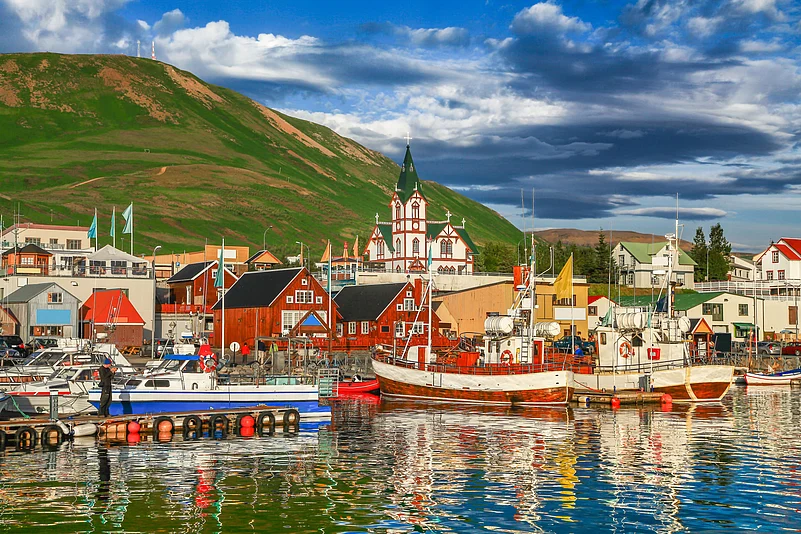
Iceland
Iceland continues its long tradition of gender leadership. Women hold prominent roles in politics and business, and the gender pay gap remains among the smallest in the world. Reykjavík feels intimate and safe, even late at night. Nature dominates much of the landscape, and organised tours operate with high safety standards. You can chase waterfalls and northern lights without feeling isolated from support systems.
Norway
Norway blends prosperity with strong social equality. Women participate actively in the workforce and government, and strict laws address domestic and public violence. Oslo offers clean, dependable transport and pedestrian-friendly streets. Beyond the capital, fjord towns maintain low crime levels and close-knit communities. Solo exploration feels manageable rather than overwhelming.
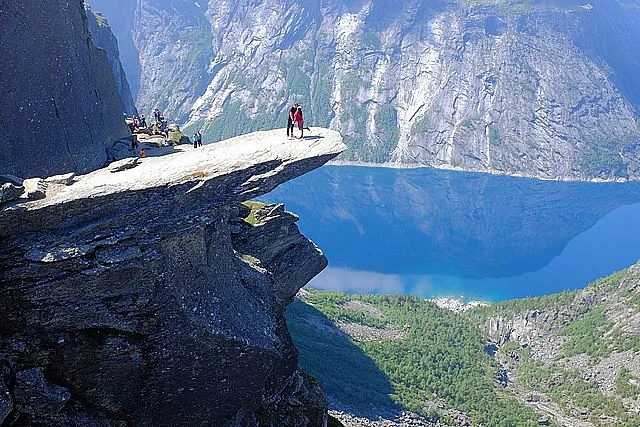
Sweden
Sweden has built its global reputation on progressive values. Gender equality shapes workplace policies, parental leave and political representation. Stockholm’s public transport runs on time and feels secure, even for late evening journeys. The culture encourages independence, and women travelling alone rarely attract unwanted attention. Systems work smoothly, which reduces everyday stress.
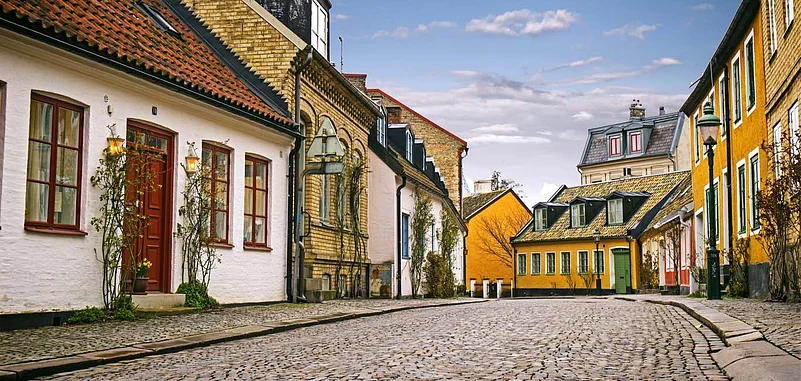
Finland
Finland pairs educational excellence with social stability. Women occupy leadership roles across sectors, and the country reports low levels of violent crime. Helsinki combines design-driven urban life with calm public spaces. Even in remote Lapland, tourism infrastructure prioritises safety and transparency. Travelling solo here feels structured and predictable in the best way.
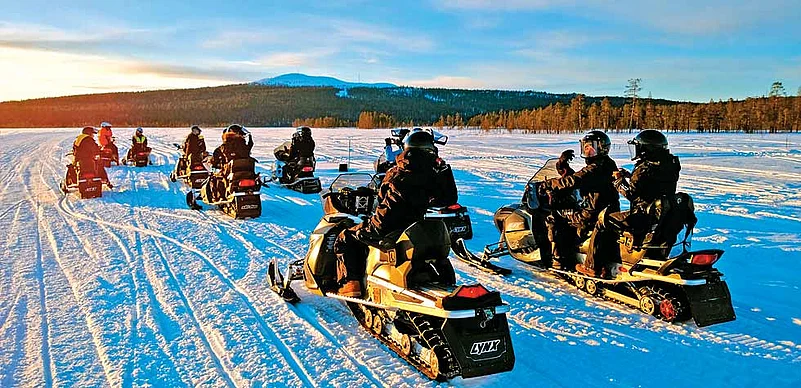
Luxembourg
Luxembourg may be small, but it scores high on inclusion and justice. Its international population creates an open, multilingual environment. Public transport is free nationwide, which encourages mobility and accessibility. Streets remain orderly, and institutions respond efficiently. For women travelling alone, that combination removes many practical barriers.
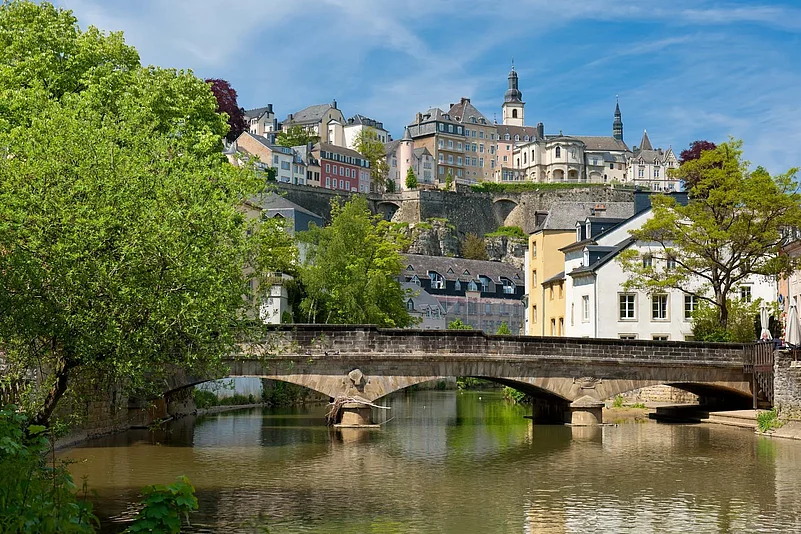
Belgium
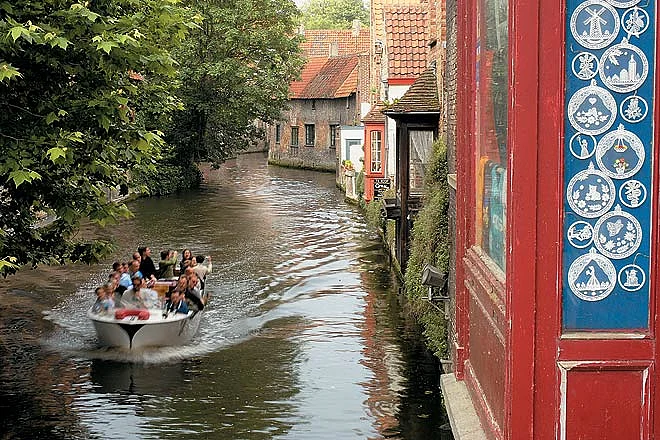
Belgium performs strongly in legal protections and healthcare access. Brussels, despite being a busy political hub, maintains visible policing and structured transport networks. Historic cities like Bruges and Ghent feel compact and navigable. Clear laws and accessible services create a sense of backup that solo travellers value.
Netherlands
The Netherlands stands out for its urban design that prioritises safety. Well-planned cycling lanes, active public squares and reliable trains make movement simple. Amsterdam balances tourism with civic order, and smaller cities maintain calm atmospheres. Gender equality policies reinforce workplace and social protections, which strengthen the broader safety net.

Austria
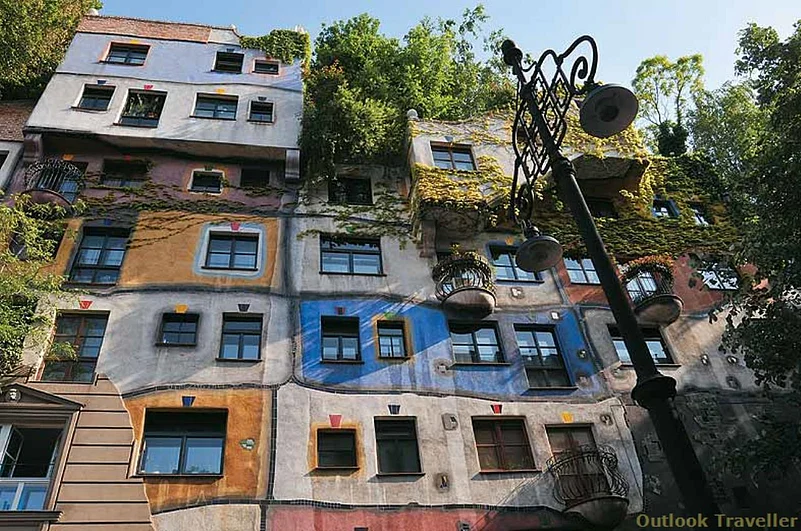
Public safety and cultural heritage are both strong in Austria. Vienna is an exceptionally safe place for women due to the high quality of life indices, cleanliness of public transport systems, access to affordable health care, and a legal system that is capable of protecting the rights of all individuals. Even in many traditional rural alpine villages, the services offered by organised tours provide an extra measure of security to independent female travellers.
Australia
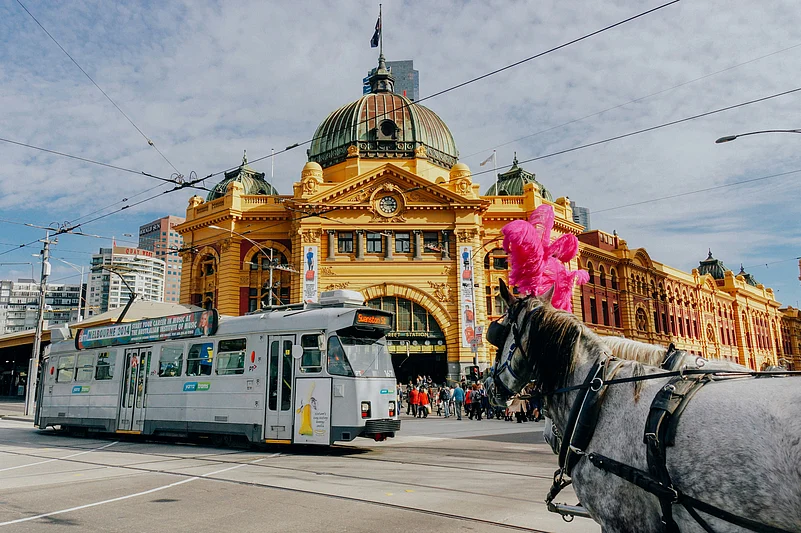
Australia rounds out the top ten. Cities such as Sydney and Melbourne have strong public safety guidelines, including the presence of emergency services. Women are supported and encouraged to take part in both education and gainful employment, and anti-discrimination laws are effectively enforced. Australia’s vast geographic area may appear daunting; however, there are organised tours, excellent digital communication, and active government agencies to support travellers while travelling independently.
FAQs
1. What is the Women, Peace and Security Index 2025–26?
The Women, Peace and Security Index 2025–26 is a global ranking of 181 countries measuring women’s inclusion, justice and security. It evaluates safety, legal protections, political participation and freedom from violence.
2. Which country ranks safest for solo female travellers in 2025?
Denmark ranks first in the 2025–26 index, followed closely by Iceland, Norway, Sweden and Finland.
3. How does the index measure women’s safety?
The index uses three pillars: inclusion in education and employment, justice through legal protections and equality laws, and security measured by safety at home, in public spaces and freedom from violence or conflict.
4. Are Nordic countries the safest for women travellers?
Yes. Nordic nations including Denmark, Iceland, Norway, Sweden and Finland consistently rank highest due to strong gender equality policies, low crime rates and reliable public infrastructure.
5. Why is this index important for solo female travellers?
It provides data-driven insight into countries where women experience high safety, strong legal protections and social equality, helping travellers make informed decisions.