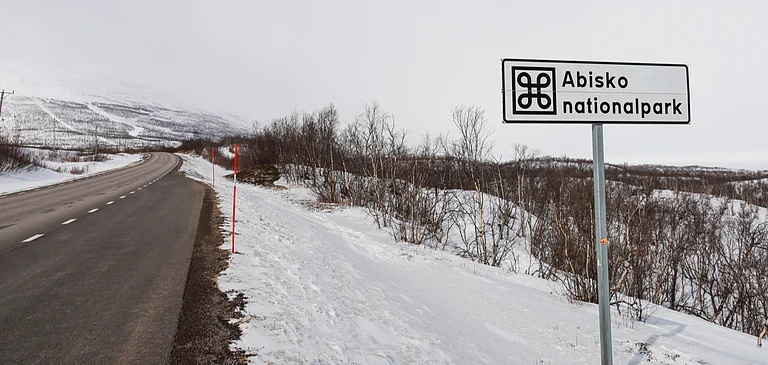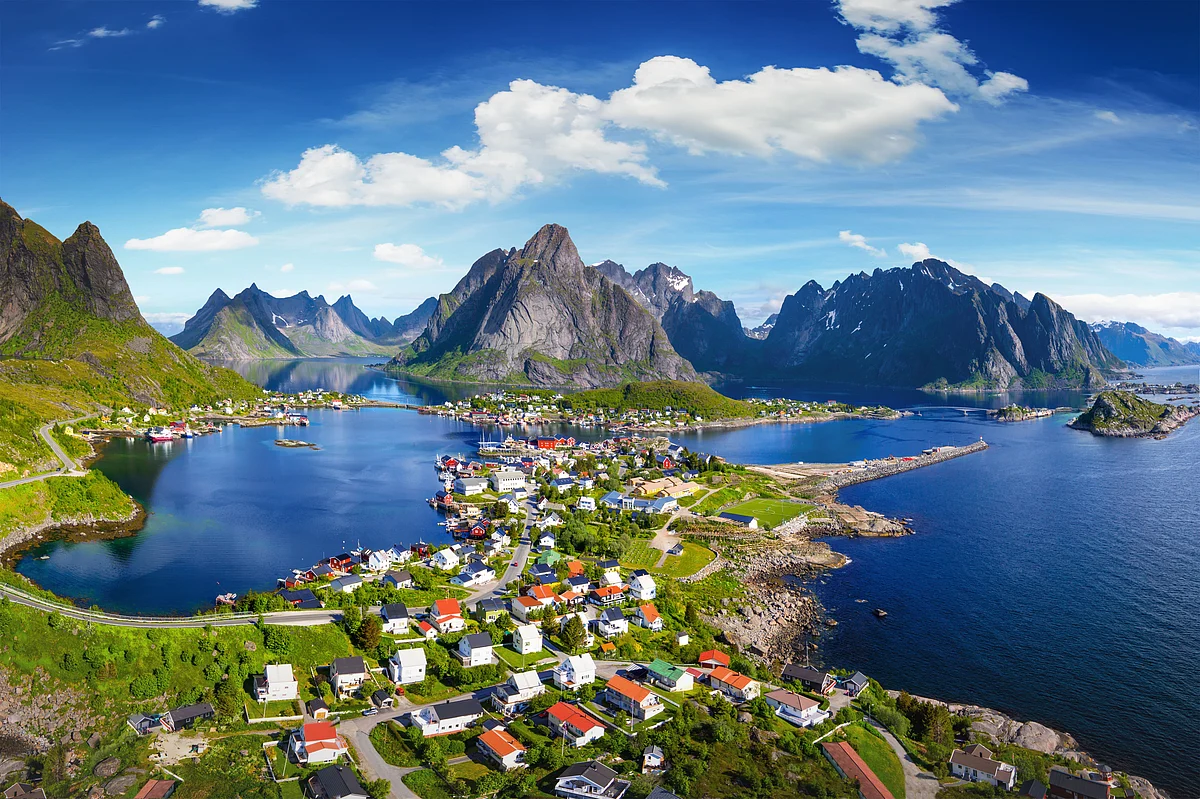
Norway above the Arctic Circle is a land of staggering contrasts and untouched beauty. From the jagged peaks and turquoise fjords of Lofoten and Senja to the tranquil villages of Vesterålen, the snowy wilderness of Lyngen, and the icy realms of Svalbard, the region offers a year-round playground for adventurers and nature lovers alike. Witness the Midnight Sun in summer, the Northern Lights in winter, hike dramatic mountains, kayak serene fjords, or watch whales and polar bears in their natural habitat. Remote, wild, and unforgettable, Norway’s Arctic Circle destinations promise experiences unlike anywhere else on Earth.
Lofoten Islands
Rising sharply from the frigid waters of Northern Norway, the Lofoten Islands are a realm where jagged peaks, turquoise fjords, and white-sand beaches collide in dramatic fashion. Well above the Arctic Circle, these islands are famed not just for their otherworldly scenery but for experiences that feel almost mythic: 24-hour daylight in summer under the Midnight Sun, and the dancing Northern Lights in winter. Tiny fishing villages like Reine and Henningsvær, with their bright red rorbuer, reveal a living Viking heritage and a thriving cod fishing culture. For nature lovers and adventurers alike, Lofoten is a playground of endless possibilities.

What To See And Do
Stunning Landscape: Expect sheer mountains rising straight from the sea, deep fjords, and beaches that seem to stretch endlessly, such as Haukland Beach.
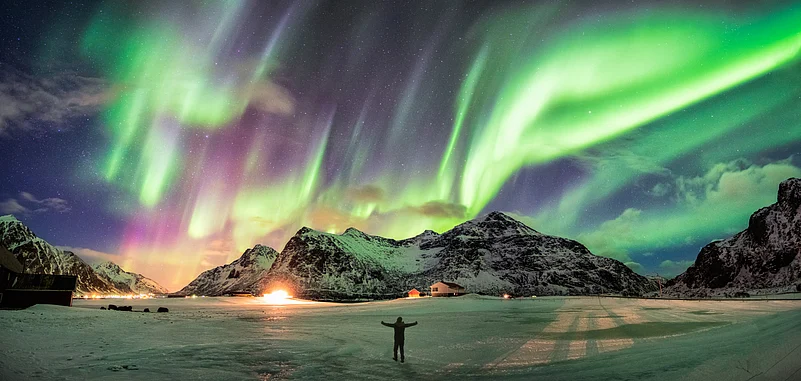
Midnight Sun & Northern Lights: Visit between late May and mid-July for 24-hour daylight, or September to April for a chance to witness the Aurora Borealis.
Charming Villages: Wander through Reine, Henningsvær, and Svolvær, where red fishing cabins dot the waterfront and small art galleries offer local creativity.
Outdoor Adventures: Summer offers hiking trails like Reinebringen, kayaking through calm fjords, cycling, and photography. Winter is perfect for quiet village exploration, cozy cafés, and scenic boat trips.
Local Culture And Cuisine: Year-round, sample fresh seafood, particularly cod, and soak in the islands’ rich Viking history.
Tips
Getting There: Fly into Svolvær or Leknes, take a ferry, or journey along the scenic Hurtigruten coastal route.
Weather: Thanks to the Gulf Stream, winters are milder than expected, but bring layers and waterproof gear.
Photography: Early morning or late evening light highlights the peaks and fjords beautifully.
Local Customs: Respect fishing areas and local wildlife, and support small businesses for galleries, cafés, and rorbuer stays.
Vesterålen

Just north of the Arctic Circle, Vesterålen lies quietly beside the more famous Lofoten Islands, yet it offers a distinctly different Arctic experience. Here, rounded mountains sweep down to sandy beaches, fjords glint under the Midnight Sun, and wildlife thrives in a landscape largely untouched by crowds. Whale-watching excursions promise encounters with sperm whales, orcas, and puffins, while peaceful fishing villages like Nyksund exude authentic local charm. Vesterålen is a place where nature feels immediate and expansive, whether under the endless summer light or the winter’s Northern Lights, offering solitude and spectacle in equal measure.
What To See And Do
Whale Watching: Andenes is renowned for year-round sightings of sperm whales, with orcas, humpbacks, and puffins often making an appearance. Many operators even offer sighting guarantees.
Stunning, Quiet Nature: Explore dramatic coastlines, rounded peaks, white-sand beaches, and vast marshlands. Hikes here offer solitude and views far from tourist crowds.
Wildlife And Birds: Keep an eye out for reindeer, sea eagles, seals, and migratory puffins. Winter brings the Arctic cod migration, drawing rich birdlife to the coast.
Midnight Sun And Northern Lights: Experience endless daylight in summer or the magical aurora borealis in winter, both beautifully reflected in fjords and beaches.
Local Culture And Villages: Nyksund and other small villages offer authentic fishing culture, local seafood, and a slower pace that feels untouched by mass tourism.
Unique Attractions: Discover the Andøya Rocket Range or take a drive along the scenic Andøya Coastal Route, which highlights the archipelago’s diverse landscapes.
Tips
Getting There: Fly to Andenes Airport or drive via ferries from Lofoten for a scenic approach.
Whale Watching: Book in advance, especially in summer, and check the guarantee policies.
Weather: Mild for the Arctic, but bring layers, windproof clothing, and sturdy footwear for hikes.
Photography: Early summer mornings or late evenings provide soft light over beaches, mountains, and wildlife.
Solitude: For fewer crowds, visit outside peak summer months; winter offers quiet landscapes and aurora sightings.
Senja Island

Nestled above the Arctic Circle, Senja Island is often called “Norway in miniature,” a fitting name for a landscape where jagged peaks, deep fjords, and white-sand beaches exist in a single frame. Dramatic mountains rise sharply from the coastline, while hidden coves and serene fishing villages invite quiet exploration. Senja is both a photographer’s dream and an adventurer’s playground, offering hiking, kayaking, skiing, and wildlife encounters. Whether chasing the Midnight Sun in summer or the Northern Lights in winter, the island delivers a blend of solitude, spectacle, and authentic Arctic charm rarely found elsewhere.
What To See And Do
Iconic Peaks: Hike Segla and Hesten for panoramic views over fjords and the open sea—these trails are challenging but immensely rewarding.
Norwegian Scenic Route Senja (Route 862): A designated scenic drive between Gryllefjord and Botnhamn, featuring stops like:
Tungeneset viewpoint: A wooden walkway framing the jagged “Devil’s Teeth” (Okshornan).
Bergsbotn viewpoint: Overlooks the stunning Bergsfjorden and surrounding mountains.
Ersfjordstranda: A striking white-sand beach with a quirky brass-plated public restroom.
Ånderdalen National Park: Explore lush forests, bogs, and gentler hiking trails on the island’s southern side.
Fishing Villages: Discover Husøy, Mefjordvær, and Gryllefjord to experience local culture and fresh seafood.
Outdoor Activities:
Hiking And Skiing: Trails for all levels; winter offers ski touring and snowshoeing, sometimes off-piste.
Water Adventures: Sea kayaking, fishing charters, and wildlife boat safaris to spot seals, porpoises, and sea eagles.
Wildlife And Experiences: Visit Polar Park to see wolves, wolverines, and bears, or enjoy husky adventures on snow or wheels.
Northern Lights And Midnight Sun: The island’s Arctic location guarantees summer daylight from late May to late July, and aurora displays from September to April.
Tips
Getting There: Bardufoss Airport (BDU) is nearest; Tromsø and Harstad/Narvik airports are further afield. Driving via the Gisund Bridge or taking ferries from Brensholmen or Andenes allows flexible exploration.
Transport: Renting a car is recommended; public buses and express boats connect key hubs but schedules are limited.
Accommodation: Options range from rorbuer and hotels to wilderness camping, respecting Norway’s “right to roam” and leave-no-trace principles. Hamn i Senja and Mefjord Brygge offer convenient bases with activities.
Weather And Clothing: Arctic conditions vary; pack layers, waterproofs, and sturdy footwear for hiking or outdoor adventures.
Photography: Sunrise and sunset light over fjords and peaks creates dramatic imagery, particularly in late spring or early autumn.
Lyngen Fjord
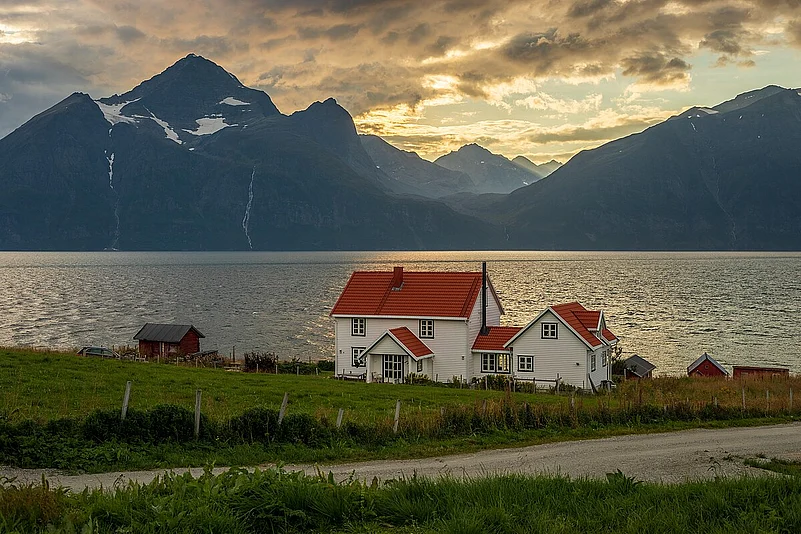
Above the Arctic Circle, the Lyngen Fjord region, dominated by the jagged Lyngen Alps, presents a raw and dramatic wilderness where fjords carve through steep mountains, glaciers glint in the sun, and nature feels untamed. This is a place for adventurers, whether seeking the Midnight Sun’s endless days or the aurora-lit nights of winter. Hikes lead to glacier-fed lakes, deep canyons, and sweeping viewpoints, while winter transforms the landscape into a snowy playground for skiing, sledding, and Northern Lights chases. Lyngen is both spectacular and accessible, offering solitude and spectacle within a few hours’ drive from Tromsø.
What To See And Do
Hiking Highlights:
Blåisvatnet (The Blue Lake): An easy trail leads to a turquoise glacier-fed lake, its colour most vivid in sunlight.
Gorsa Bridge: Hike to Northern Europe’s deepest canyon and marvel at the Gorsafossen waterfall below.
Lyngstuva: The northernmost tip of the Lyngen peninsula provides panoramic fjord views and prime Midnight Sun vantage points.
Steindalsbreen Glacier: Trek into the Steindalen valley for a close-up look at a retreating glacier, a striking lesson in climate change.
Winter Adventures: Ski touring, off-piste skiing, dog or reindeer sledding, snowmobiling, snowshoeing, and Northern Lights excursions.
Summer Adventures: Fjord kayaking, river canoeing, mountain biking, whale-watching tours, and visits to Aurora Spirit, the world’s northernmost distillery.
Natural Phenomena:
Northern Lights: Visible from late September to late March.
Midnight Sun: From mid-May to late July, offering endless daylight for exploration.
Tips
Best Time to Visit:
Summer (June–August): Ideal for hiking, kayaking, and Midnight Sun experiences; all roads and services are open.
Winter (October–April): Best for snow sports and aurora viewing, though some high-altitude roads may close.
Shoulder Seasons (May & September): Fewer crowds, good hiking, and early/late aurora sightings.
Getting There: Accessible from Tromsø; driving involves a scenic ferry from Breivikeidet to Svensby. Public buses are available but limited.
Accommodation: Options range from luxury lodges and hotels to fjord-side fisherman's cabins and campsites. Booking in advance is recommended, especially in summer and winter peak periods.
Photography: Sunrise and sunset light in summer, and aurora-lit nights in winter, offer dramatic landscapes for photographers.
Svalbard
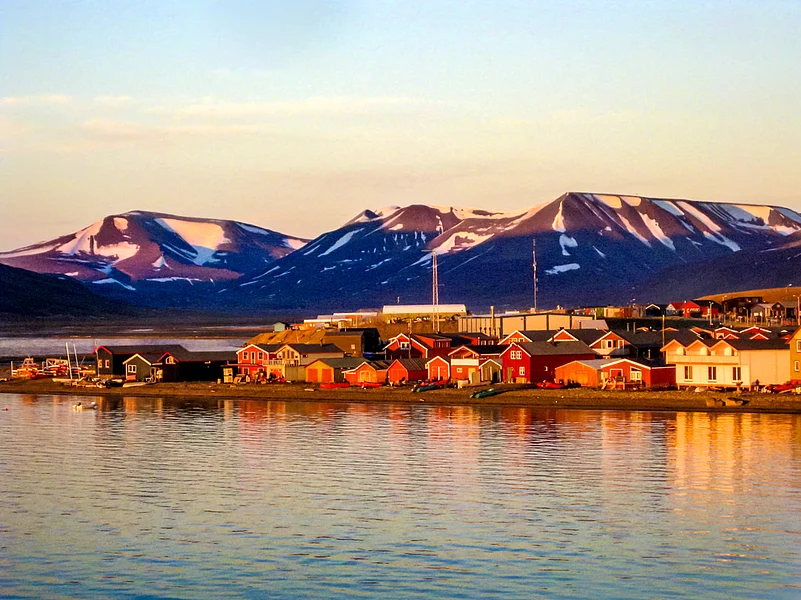
Far north, halfway between mainland Norway and the North Pole, Svalbard is a stark, frozen archipelago where glaciers stretch across mountains, fjords carve the land, and wildlife thrives in a fragile Arctic ecosystem. Here, the Midnight Sun bathes the landscape in continuous light from April to August, while the Polar Night plunges it into darkness for three months in winter. Visitors encounter polar bears, reindeer, walruses, and Arctic foxes, but must respect strict safety rules in this remote wilderness. Settlements like Longyearbyen offer a foothold of civilisation amid the ice, blending history, science, and survival in one of the world’s northernmost communities.
What To See And Do
Glaciers And Ice Landscapes: Trek across vast glaciers, explore ice caves, or take guided snowmobile tours through the icy wilderness.
Wildlife Watching: Spot Svalbard reindeer, Arctic foxes, walruses, seals, and whales. Polar bears, the archipelago’s apex predator, can only be approached with expert guides outside settlements.
Settlements And Culture:
Longyearbyen: The main hub, offering the northernmost amenities, including cafés, a university, and the Svalbard Global Seed Vault.
Historic Sites: Ghost towns like Pyramiden, a former Soviet mining settlement with a Lenin statue, offer a glimpse into Svalbard’s past.
Adventure Activities: Glacier hiking, ice caving, wildlife cruises, snowmobiling, and exploring fjords and historic settlements.
Tips
Safety First: Polar bears are dangerous; outside settlements, guided tours with armed guides are mandatory. Always follow local safety regulations.
Travel Seasons: Summer (April–August) is ideal for glacier walks and Midnight Sun activities; winter (November–February) for Polar Night experiences and aurora hunting.
Accommodation: Longyearbyen has hotels, guesthouses, and lodges. Outside settlements, adventure operators provide base camps for excursions.
Clothing And Gear: Arctic conditions are extreme; layered clothing, insulated boots, and windproof outerwear are essential year-round.
Respect Nature: Svalbard’s ecosystem is fragile, with seven national parks protecting most of the land. Avoid disturbing wildlife and stick to marked trails or guided routes.
FAQs
Which places are above the Arctic Circle?
Some places are Lofoten, Vesterålen, Senja, Lyngen Fjord/Alps, Tromsø, and Svalbard.
What activities are available?
Hiking, fjord cruises, kayaking, whale watching, skiing, snowmobiling, dog and reindeer sledding, and wildlife spotting.
What is the Midnight Sun?
24-hour daylight from late May to mid-July, allowing extended outdoor activities.
How do I get there?
By plane (Tromsø, Svolvær, Leknes, Longyearbyen), ferry (Hurtigruten), or car for mainland destinations.