


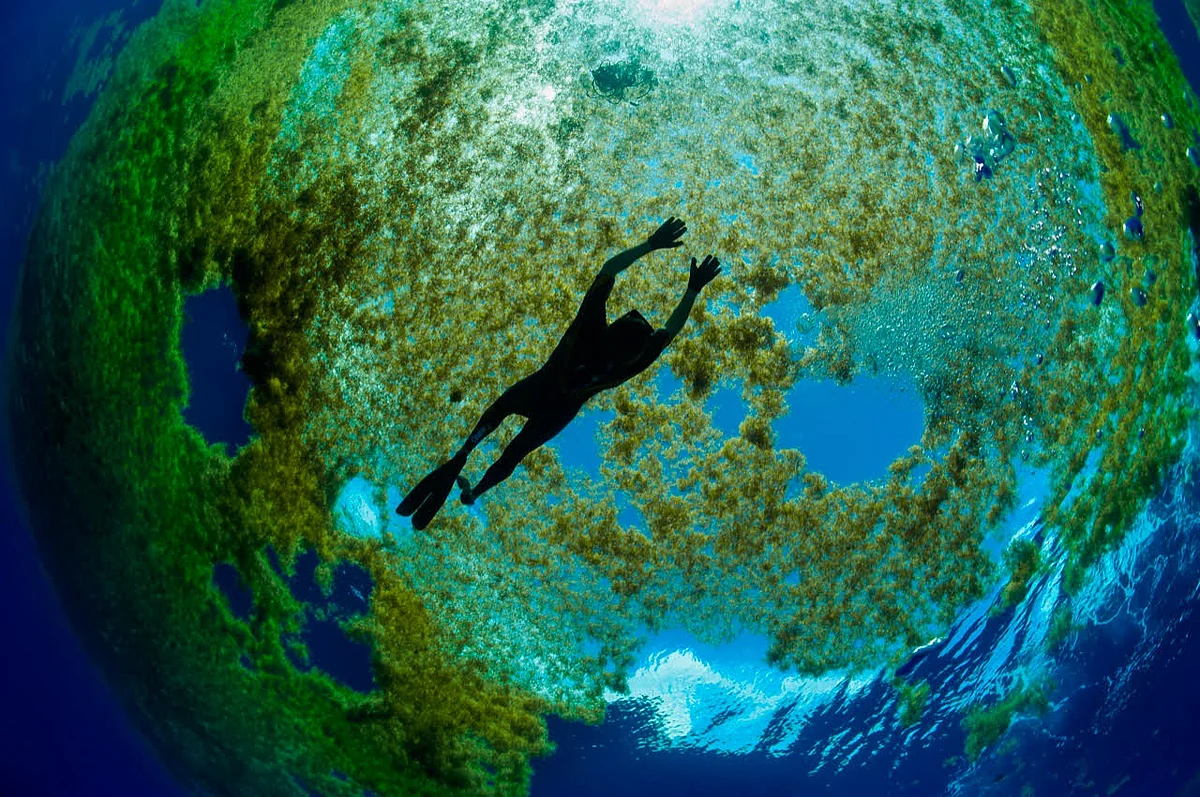
The Sargasso Sea stretches across two million square miles in the North Atlantic. Part of the North Atlantic Gyre, its waters are calm and notably salty, dotted with expansive rafts of golden-brown Sargassum seaweed that seem to float like miniature islands across the open ocean.
What Makes It Unique
The Sargasso Sea is unlike any other, because it has no land at all—no beaches, no coastlines—just open water stretching across the North Atlantic. Its boundaries are set by the currents that circle it: the Gulf Stream, the North Atlantic Current, the Canary Current and the North Atlantic Equatorial Current. Together, these currents create a slow, clockwise whirl that gives the sea its unique shape and character.
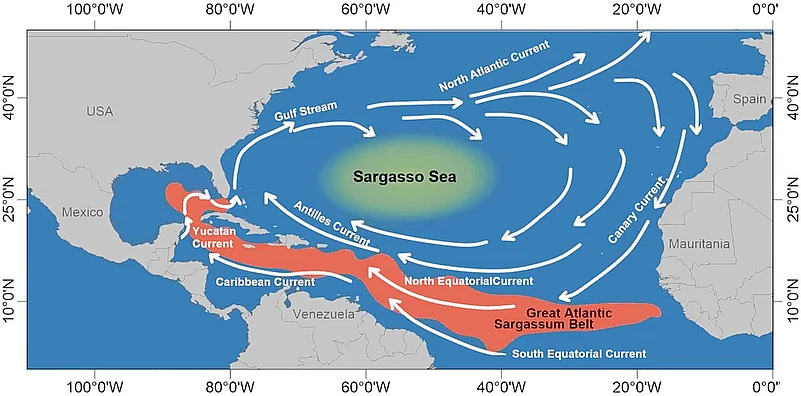

It is located roughly between 20°–35° N and 40°–70° W. Known as a "Sea Without Shores", it is bounded entirely by currents: the Gulf Stream (west), North Atlantic Current (north), Canary Current (east), and North Atlantic Equatorial Current (south). The only land within the Sea is the Bermuda Islands, located on its western edge. It has deep, clear blue water, high salinity, weak currents, and low precipitation.
Drifting With Sargassum
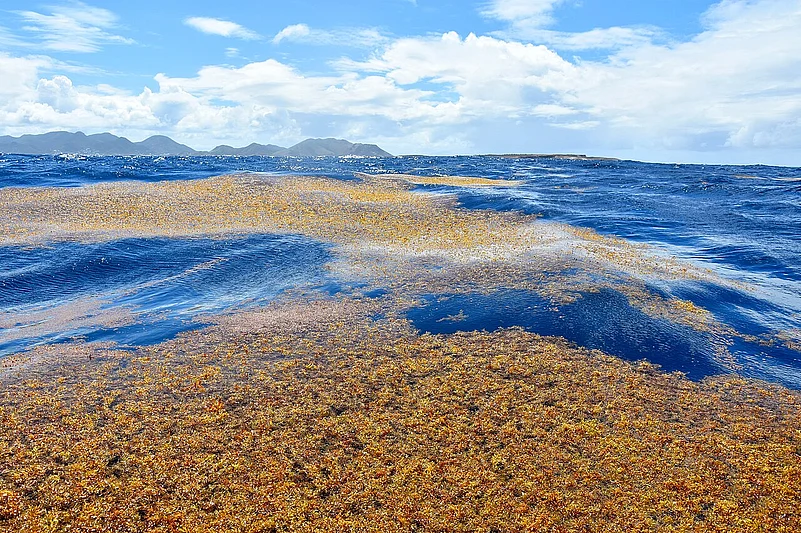
The Sea is named after Sargassum, a brown algae that floats on the surface, buoyed by small, air-filled bladders. Unlike other seaweeds, Sargassum does not attach to the seafloor, but lives its entire life cycle floating, providing a "golden rainforest" habitat for many species. The weed serves as a nursery for loggerhead sea turtles, juvenile fish, crabs, shrimp, and species like dolphinfish.
The area is protected through initiatives like the Sargasso Sea Commission due to threats from overfishing and pollution.
A Hidden Nursery Of Atlantic Life
The Sargasso Sea is vital for carbon capture in the global ocean. It is the only known spawning site for the endangered American and European eels, which travel thousands of miles to breed there. Migratory species like tuna, porbeagle sharks, and swordfish use the area.
The Sea collects plastic waste due to the converging ocean currents. It is also experiencing increased temperatures and salinity, which are affecting the ecosystem.
Travelling To Sargasso
There are no direct commercial travel routes or ports, but travellers can visit the region via ocean voyages, particularly near Bermuda, which is the closest land reference. Access is primarily via private yacht, specialised research expeditions, or select cruise ships crossing the North Atlantic that pass through this region of calm, blue water and floating Sargassum seaweed.
History And Literature
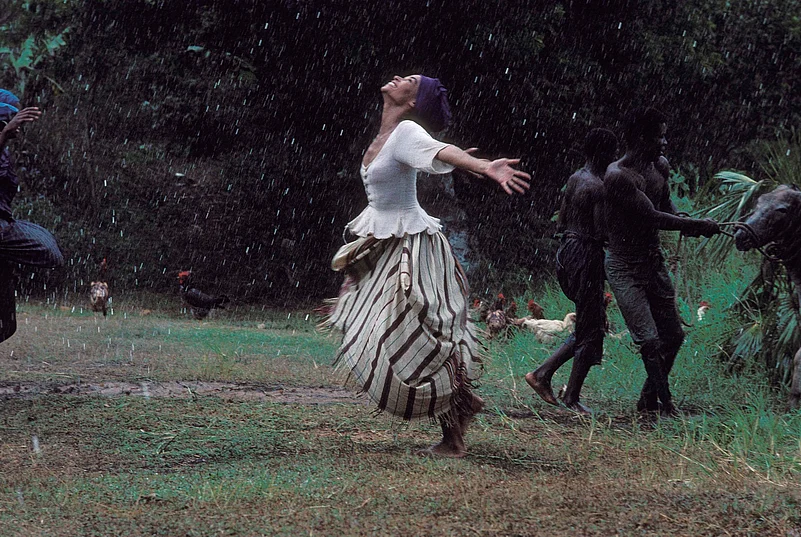
The Sargasso Sea is often depicted in literature as a place where ships are mired in weed. It serves as a powerful symbol of being trapped, disoriented, and navigating between two worlds (Europe and the Caribbean). The "wide" sea represents the vast, insurmountable distance between Antoinette’s upbringing and the rigid British society she is forced into.
It is predominantly iconic in literature and culture through Jean Rhys’s postcolonial novel, "Wide Sargasso Sea" (1966). As a prequel to "Jane Eyre," it reframes the "madwoman in the attic," Antoinette Cosway, exploring themes of colonial displacement, identity loss, and patriarchal oppression in the Caribbean. The book has been adapted into various media, including a 1993 film, further cementing its place in popular culture as a critical exploration of postcolonial identity.
FAQs
Where is the Sargasso Sea located?
It lies in the North Atlantic Ocean, roughly near Bermuda, and is bordered by the Gulf Stream to the west, the North Atlantic Current to the north, the Canary Current to the east, and the North Atlantic Equatorial Current to the south.
Why is it called the Sargasso Sea?
The name comes from Sargassum, a golden-brown seaweed that floats freely on the water’s surface, forming vast mats that provide shelter for marine life.
Why is it ecologically important?
It serves as the only known spawning ground for the endangered American and European eels, and its seaweed mats support juvenile sea turtles, crabs, shrimp, fish, and other marine species.
Do any larger animals pass through the Sargasso Sea?
Yes, many migratory species, including tuna, sharks, and humpback whales, travel through or live in the area.
What environmental threats does the Sargasso Sea face?
It collects marine debris due to circulating currents, faces pollution from shipping and industrial fishing, and is affected by climate change—prompting calls for increased conservation.


