

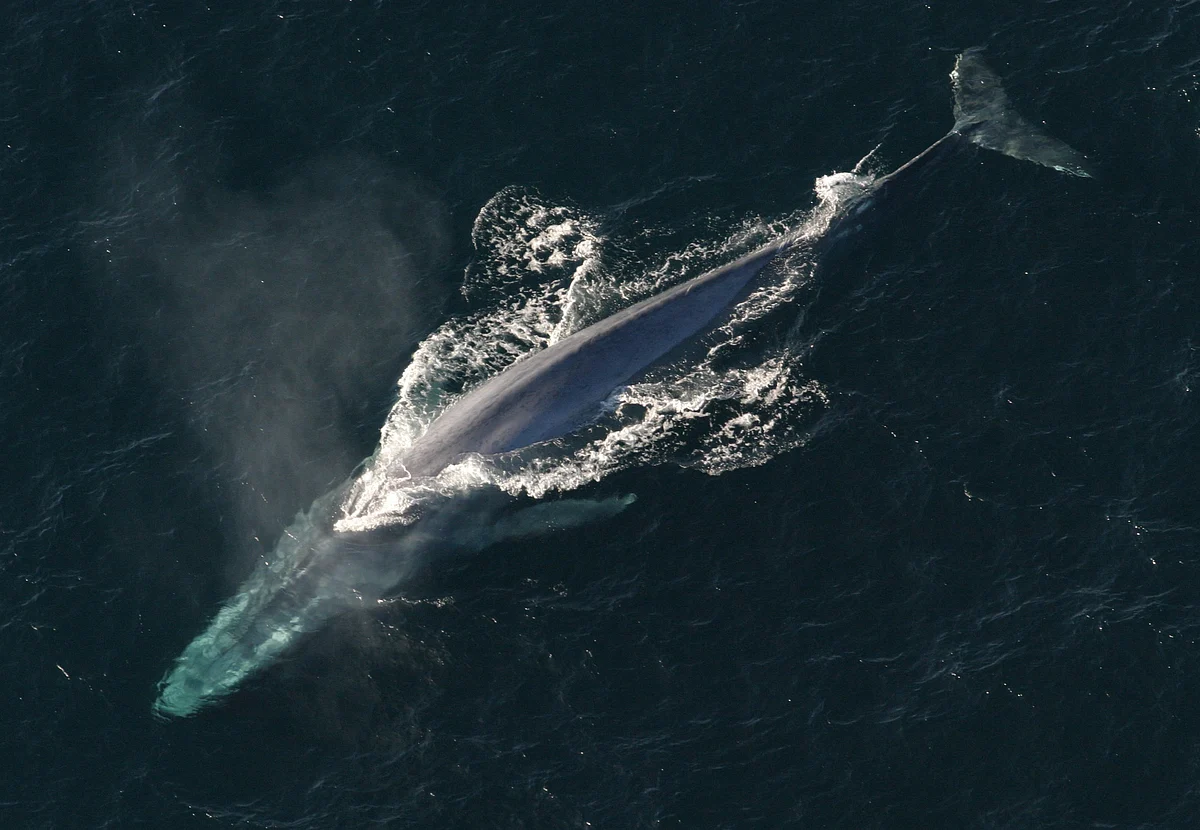
In the cold, choppy waters of Patagonia Azul Provincial Park, scientists were following the usual giants when something much bigger rose to the surface. At first, it looked like a shifting shadow. Then came the tall spout, the long blue-grey back, and the slow, dawning realisation that they were looking at a blue whale.
This was not something they expected to see here. Conservation teams had never recorded a blue whale inside the park before. The footage, taken during what was meant to be a routine survey, showed that the world’s largest animal had slipped quietly into waters where it had never been documented.
On board, the mood shifted quickly from focus to disbelief. The team had gone out to track humpback and sei whales. What they found instead changed their understanding of the region.
The Largest Animal On Earth, Up Close
The Blue whale is hard to grasp until you see one. It can grow up to 30 metres long and weigh as much as 180 tonnes, making it larger than any creature that has ever lived, including the biggest dinosaurs.
Yet it moves with surprising calm. Blue whales feed on tiny krill, filtering thousands of them through their baleen plates in a single gulp. They travel across vast stretches of ocean, usually alone or in small groups, communicating through deep calls that can carry for hundreds of kilometres underwater.
They migrate between cold feeding grounds and warmer breeding waters, covering enormous distances each year. Even so, their exact routes are still not fully understood. That is what makes this sighting stand out. It offers a rare clue in a much larger mystery.
Why The Patagonia Sighting Is Significant
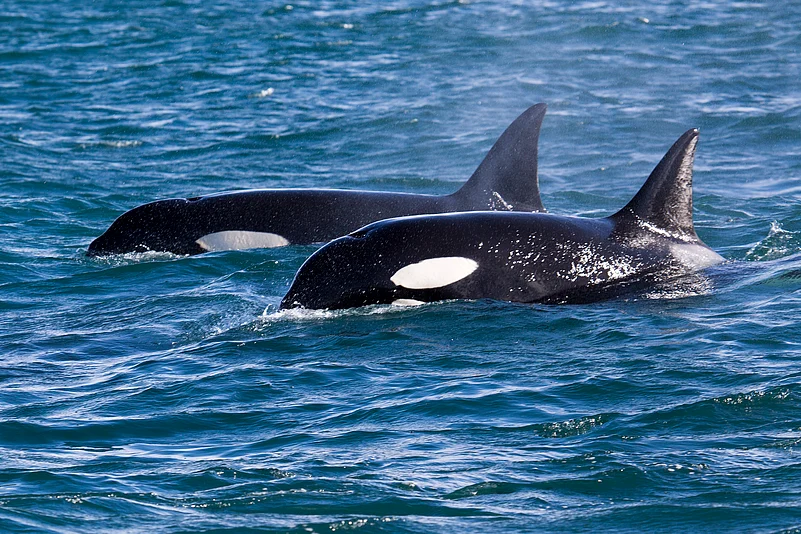
The waters off Patagonia are already known for their marine life. Orcas patrol the coastline, and southern right whales return season after season to breed. It is one of the richest ocean habitats in the world.
The presence of a blue whale adds a new layer to that story. It points to these waters as a possible pit stop or passage for a species still finding its way back after being driven close to extinction by commercial whaling.

Blue whales are still endangered today. They have to navigate ship traffic, constant underwater noise, pollution, and the pressures of a warming ocean. Even slight changes in sea temperature can shrink krill populations, and that quickly affects everything that depends on them.
That is why this sighting carries weight. It hints that protected areas like Patagonia Azul may be offering some refuge. It also raises a quiet but important question. Are blue whales starting to return, or have they been passing through all along, unnoticed?
A Rare Glimpse Into An Ocean Still Unknown
The sighting lasted only a few minutes, but it left behind more than just footage. For the team from Rewilding Argentina, it confirmed something scientists have long suspected but rarely been able to prove. These waters may be part of a much larger, hidden route used by blue whales moving through the South Atlantic.
What stood out was not just the whale’s size, but where it appeared. The animal was spotted close to the coast near Cabo Dos Bahías, an area where blue whales are almost never seen. Researchers believe this could point to feeding activity, since blue whales follow dense krill patches and can consume up to several tonnes a day.
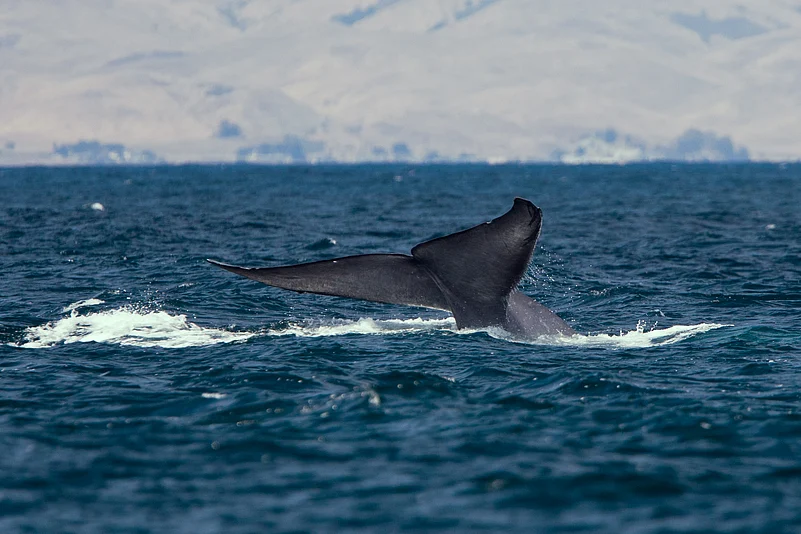
The individual is thought to belong to the Antarctic subspecies of the Blue whale, which typically moves through the Southern Ocean and the southwestern Atlantic. Its presence here suggests these migration patterns may be more flexible than previously understood, or that changing ocean conditions are pushing whales into new areas.
For scientists, this is not just a rare encounter. It opens up new lines of research. If blue whales are using this stretch of Patagonia as a corridor or feeding ground, it raises urgent questions about ship traffic, fishing pressure, and how protected this habitat really is.
The footage may be brief, but it shifts the focus. It turns a remote patch of ocean into a place that now demands closer attention.
(With inputs from various sources)
FAQs
1. Why is the blue whale sighting in Patagonia Azul important?
It is the first recorded sighting in the park, offering new insights into blue whale migration and possible feeding routes.
2. How big can a blue whale grow?
Blue whales can grow up to 30 metres long and weigh around 180 tonnes, making them the largest animals ever to exist.
3. Are blue whales endangered?
Yes, blue whales are still classified as endangered due to past whaling, ship strikes, pollution and climate change.
4. What do blue whales eat?
They feed mainly on krill, consuming thousands in a single gulp using their baleen plates.
5. What does this sighting mean for conservation?
It suggests that protected areas like Patagonia Azul may play a role in supporting blue whale populations and highlights the need for stronger marine protection.