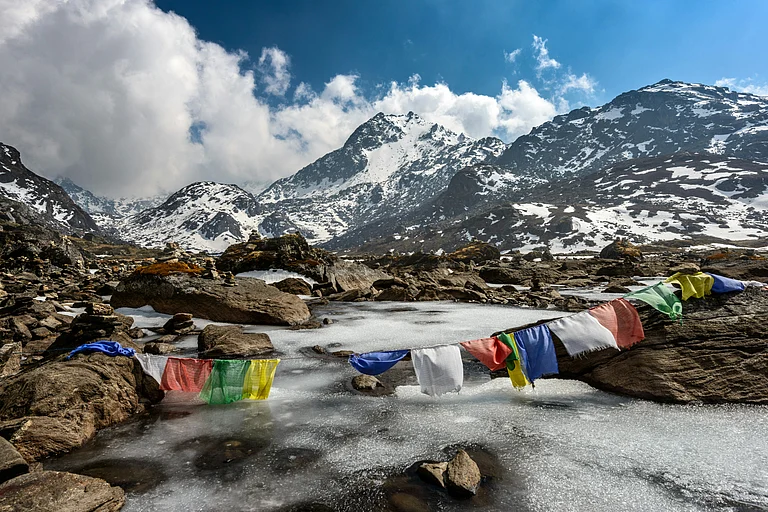
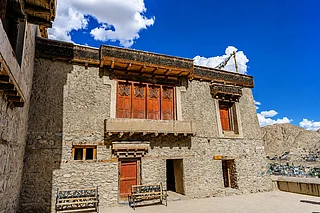
Nepal has long held a near-mythical pull for travellers drawn to mountains. Eight of the world’s ten highest peaks rise from its rugged terrain, and for decades climbers have arrived here chasing the ultimate prize—Everest. But the story of Nepal’s mountaineering landscape is far richer than the summit queues of the world’s tallest mountain.
In an effort to spread tourism beyond crowded hotspots and bring economic opportunities to remote regions, Nepal has waived climbing permit fees for 97 Himalayan peaks until 2027. Most of these mountains lie in the far-western provinces of Karnali and Sudurpaschim, regions known for pristine valleys, isolated villages, and vast stretches of wilderness that see only a trickle of travellers each year.
For adventure seekers planning a Himalayan journey in 2026, this policy quietly opens the door to experiences that once required significant permit costs. The peaks span elevations from roughly 5,970 metres to over 7,100 metres, offering options for both ambitious trekkers stepping into mountaineering and seasoned climbers searching for unclimbed ridges and quieter routes.
Here are six remarkable peaks among the fee-waived mountains that offer unforgettable high-altitude adventures beyond the Everest circuit.
Api Himal
Rising dramatically near Nepal’s border with Tibet and India, Api Himal is the tallest mountain in Sudurpaschim Province and one of the most striking peaks in far-western Nepal. Its icy pyramidal summit dominates a wilderness landscape of alpine meadows, glacial rivers, and sparsely populated valleys. Reaching the base of Api Himal is an expedition in itself: trekkers pass through traditional villages and forested ridges where Himalayan wildlife still thrives. Because few expeditions venture here, the mountain retains a raw, exploratory feel that climbers often say has disappeared from more commercial routes in the Himalayas.
Best time to go: April–May and September–October
Approximate altitude: 7,132 m
Access point: Dhangadhi or Nepalgunj, followed by multi-day trekking approach
Climbing level: Advanced mountaineering experience required
Saipal Himal
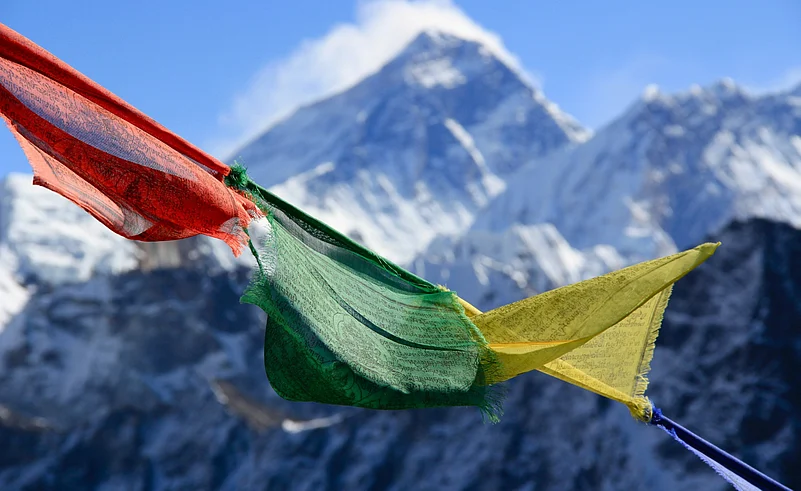

Towering above remote valleys in western Nepal, Saipal Himal forms one of the least explored high-mountain groups in the country. The mountain’s dramatic ridgelines and glaciers remain largely untouched, partly because of the logistical challenge of reaching the region. Trekkers heading toward Saipal move through landscapes that feel centuries removed from the busy trekking trails of Annapurna or Everest. Traditional settlements, high-altitude pastures, and long stretches without infrastructure make the journey both demanding and deeply rewarding. For climbers seeking an expedition that feels truly remote, Saipal represents the kind of Himalayan adventure that is becoming increasingly rare.
Best time to go: Late spring or early autumn
Approximate altitude: 7,031 m
Access point: Fly to Dhangadhi, then trek through Bajhang district
Climbing level: Technical expedition climb
Bobaye Peak
For climbers eager to venture somewhere few others have set foot, Bobaye Peak offers an enticing challenge. This rugged mountain sits deep in Nepal’s far-western Himalayas, surrounded by glaciers, jagged ridges, and dramatic high-altitude terrain. Expeditions here require careful planning because the area has limited infrastructure and minimal established climbing routes. Yet that same isolation is what makes Bobaye so appealing to experienced mountaineers. Every ascent feels exploratory, with wide views stretching across the Himalayan frontier toward Tibet and India. With the climbing permit fee now waived, Bobaye may begin attracting adventurous climbers eager to chart new lines on its slopes.
Best time to go: April–May and October
Approximate altitude: 6,808 m
Access point: Trekking approach from Bajhang region
Climbing level: Experienced alpine climbers
Nampa Peak
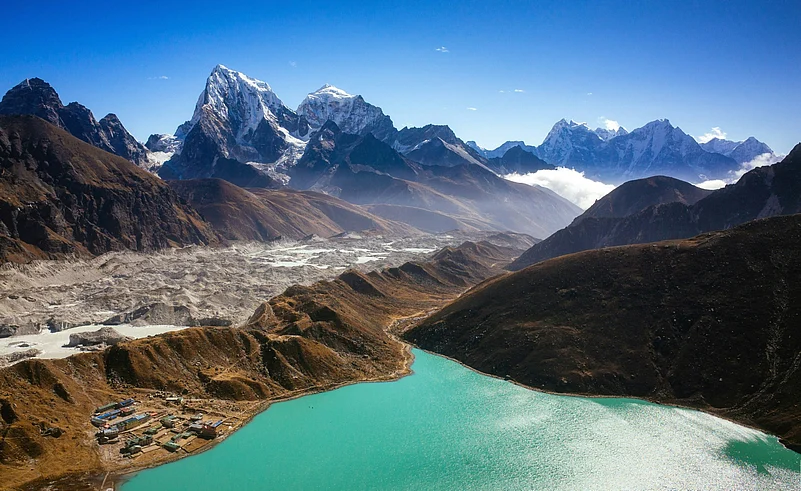
Compared to Nepal’s iconic peaks, Nampa Peak remains surprisingly under the radar. Rising above remote valleys in Sudurpaschim, it offers a challenging yet less crowded high-altitude climb surrounded by spectacular Himalayan scenery. Trekkers approaching Nampa encounter dense forests, high grazing grounds, and dramatic glacial basins before reaching the mountain’s base. Because so few climbers attempt it, the routes retain a sense of discovery. The views from higher camps sweep across isolated Himalayan ranges rarely seen by trekkers following the more established circuits elsewhere in Nepal.
Best time to go: April–May or September–October
Approximate altitude: 6,755 m
Access point: Trek via Bajhang district
Climbing level: Intermediate to advanced mountaineering
Fimkof Himal
Karnali Province is often described as Nepal’s last great wilderness, and Fimkof Himal captures that spirit perfectly. The journey to this mountain winds through alpine valleys, remote villages, and vast stretches of forest where the pace of life feels wonderfully slow. Climbers heading toward Fimkof experience a side of Nepal rarely seen on mainstream trekking routes—one where traditional mountain culture remains deeply rooted and landscapes feel almost untouched. The climb itself offers a blend of glacier travel and high-altitude mountaineering, making it appealing to those looking for a quieter Himalayan summit with impressive panoramic views.
Best time to go: Spring and autumn climbing seasons
Approximate altitude: 6,697 m
Access point: Surkhet or Nepalgunj followed by trekking routes north
Climbing level: Moderate to advanced
Surma-Sarovar North Peak
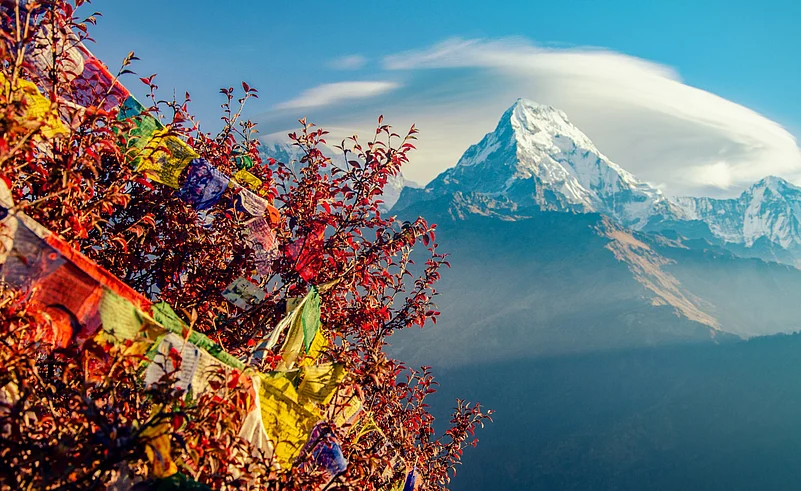
Located near the serene Surma Sarovar Lake, this mountain combines spiritual landscapes with high-altitude adventure. The turquoise alpine lake, considered sacred by local communities, lies beneath towering ridges and snowfields that lead toward the summit. Trekkers approaching the area pass through expansive high-altitude plains and isolated settlements where traditional Himalayan culture still shapes daily life. The climb itself rewards adventurers with sweeping views of remote mountain chains and pristine wilderness. For travellers seeking both natural beauty and a meaningful journey through lesser-visited regions, Surma-Sarovar North Peak offers a compelling Himalayan experience.
Best time to go: April–May and September–October
Approximate altitude: 6,523 m
Access point: Trekking routes through Humla district
Climbing level: Moderate to challenging
Planning Your Himalayan Climb In 2026?
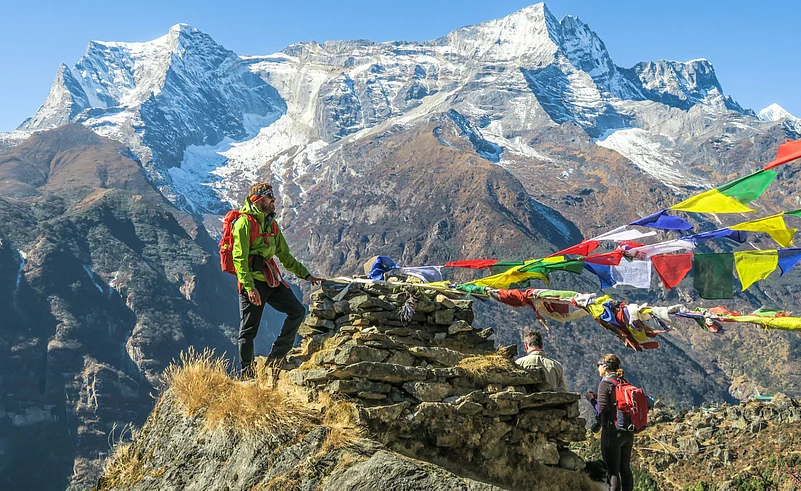
With climbing permit fees waived for dozens of peaks, 2026 could be one of the most exciting years to explore Nepal’s lesser-known mountains. However, these regions remain remote, and planning is essential. Many areas in Karnali and Sudurpaschim have limited road access, basic lodging, and long trekking approaches, meaning climbers often rely on expedition logistics such as guides, porters, and camping equipment.
The best climbing seasons remain spring (April–May) and autumn (September–November), when weather conditions are generally more stable and visibility is excellent. Monsoon months bring heavy rainfall and landslides, while winter temperatures can drop drastically at high altitude.
Travellers should also prepare for altitude acclimatisation, as most of these mountains exceed 6,000 metres. Proper training, physical conditioning, and experienced support teams remain essential for safety.
While Everest will always dominate the headlines, Nepal’s quieter mountains are increasingly drawing attention from adventurers seeking something more authentic. With untouched valleys, towering summits, and the rare opportunity to climb without permit fees, these Himalayan peaks offer a different kind of thrill—one defined less by crowds and more by discovery.
FAQs
1. Why are some Himalayan peaks in Nepal free to climb?
Nepal has waived permit fees for 97 peaks until 2027 to encourage tourism in remote regions like Karnali and Sudurpaschim.
2. How high are the peaks included in the fee waiver?
Most of the mountains range between roughly 5,970 metres and 7,132 metres in elevation.
3. Do climbers still need permits for Everest?
Yes. Mount Everest requires a climbing permit, and fees during peak season are set to increase significantly.
4. When is the best time to climb mountains in Nepal?
The most stable climbing seasons are April–May and September–November.
5. Are these free peaks suitable for beginner climbers?
Many require mountaineering experience, though some lower peaks can be attempted by fit trekkers with proper guidance.