Nepal sparks interest even before you set foot there. Some imagine the silhouette of Everest piercing a cloudless Himalayan sky, while others think of echoes of temple bells, or hikes through quiet village trails. Compact yet astonishingly diverse, Nepal compresses dramatic mountains, subtropical jungles, medieval cities and deeply rooted traditions into a single country.
For travellers planning their first journey here in 2026, Nepal can feel both thrilling and unfamiliar. The landscapes shift quickly, roads can be unpredictable, and cultural customs often differ from what visitors might expect. But with a little preparation, navigating Nepal becomes part of the adventure. If Nepal is on your travel list, this guide brings together the essential things every traveller should know before setting off.
Pick The Right Season
Nepal has four seasons, but two stand out as the most favourable for travellers. Autumn (September to November) is said to be the best. After the monsoon rains, the air is clear, and you can see the mountains well. The weather is good for walking and seeing sights. Spring (March to May) is also nice. Plants flower on hillsides, forests come alive after winter, and you might see animals in parks. Winter can be nice in cities such as Kathmandu or Pokhara, but it gets cold up high. The monsoon season (June to August) has heavy rains, which can make walking paths muddy and travel hard to plan.
Enter through Kathmandu
Most people arrive in Nepal via Kathmandu’s airport. Taxis are the easiest way to get to city hotels from the airport. Kathmandu might seem chaotic at first with its busy streets, markets, and temples everywhere. But this energy forms the pulse of the capital. Many people spend a few days getting used to Nepal before going to mountain towns, lakes, or wildlife areas.
Understand Nepal’s Geography

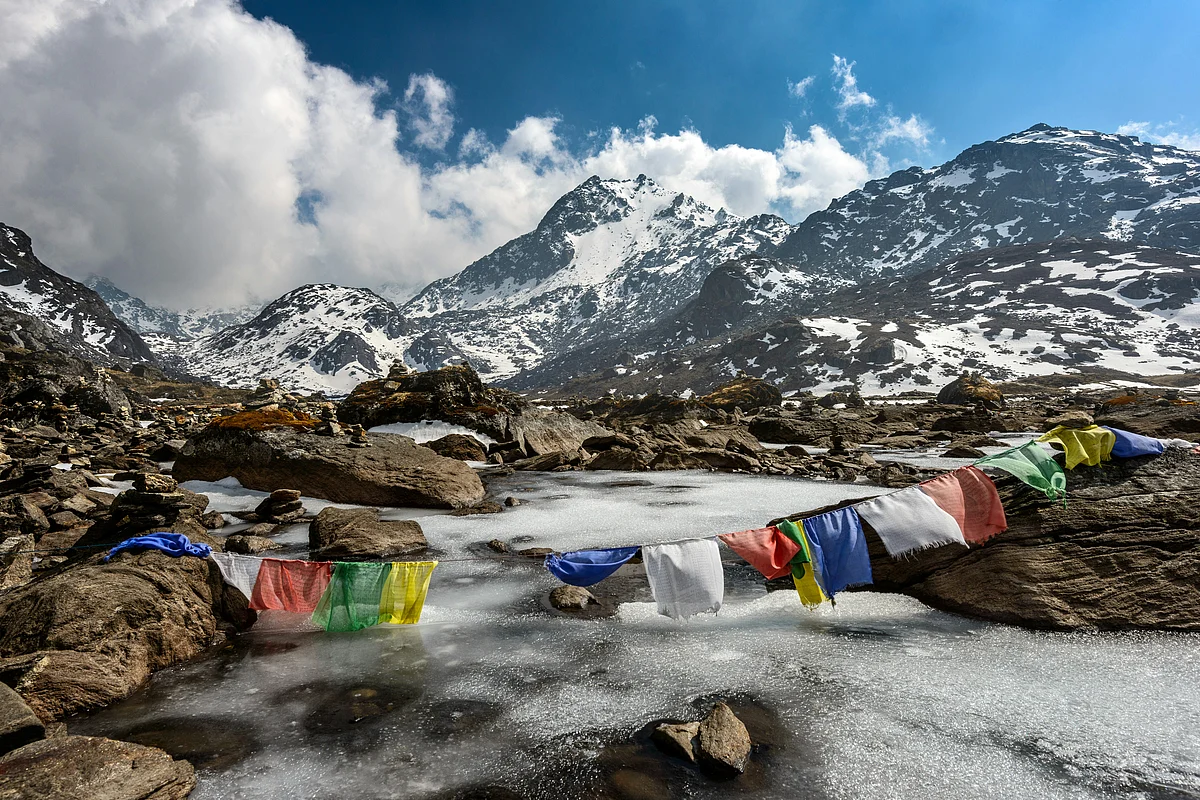
Nepal’s landscape changes dramatically within a relatively short distance. In the south lies the Terai region, a flat belt of fertile plains bordering India that is home to lush forests and wildlife reserves such as Chitwan National Park. Moving northward, the terrain rises into the hills where cities like Kathmandu and Pokhara sit among terraced farms and ancient temples. Beyond these hills begins the Himalayan region, where towering peaks dominate the skyline. This vertical geography means that travellers can experience tropical jungles, cultural cities and alpine mountain landscapes all within the same trip. It also explains why weather conditions, travel times and even lifestyles vary so widely across the country.
See The Kathmandu Valley
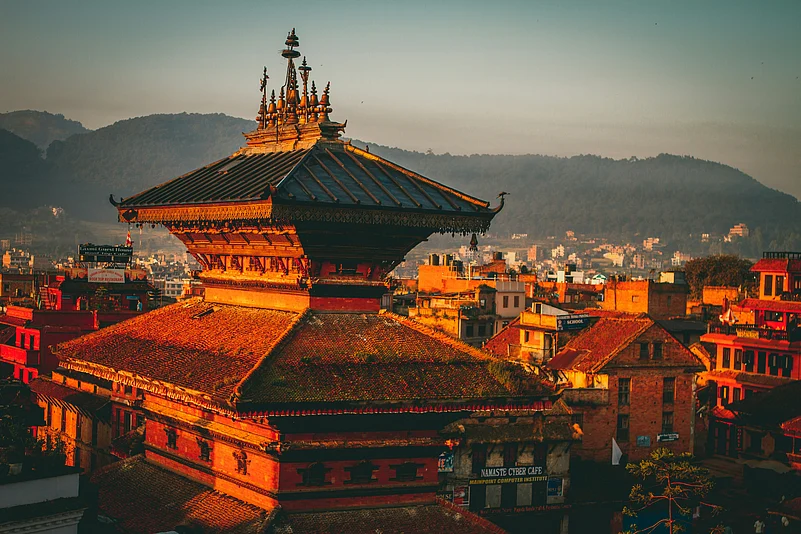
The Kathmandu Valley is the heart of the country and a must-see for first-timers. In the valley are three old cities: Kathmandu, Bhaktapur, and Patan. Each has nice temples and buildings. Places such as Boudhanath Stupa, Swayambhunath Temple, and Pashupatinath Temple show the link between Hindu and Buddhist ways in Nepal. Bhaktapur feels old, with brick paths, quiet areas, and pottery places. Patan is known for its crafts and nice palace area.
Go To Pokhara & Beyond
Pokhara is a nice change from Kathmandu’s busy streets. It’s by Phewa Lake and has a relaxed feel and mountain views. On clear mornings, you can see the Annapurna Range above the lake. Pokhara is also where many hikes start. You can paraglide, walk up to Sarangkot to see the sunrise, or take a boat ride on the lake. Caves, waterfalls, and hillside towns nearby are worth seeing at a slow speed.
Experience Nepal’s Wildlife
Nepal is known for mountains, but the south shows a different side. Parks such as Chitwan and Bardia protect forests full of animals. You can see these areas on jeep rides, canoe trips, or guided walks. The parks have rhinos, tigers, and crocodiles. Bird watchers will like the many birds that live there. Spending a few days there is a nice change from the mountains.
Get Ready For Mountain Hikes
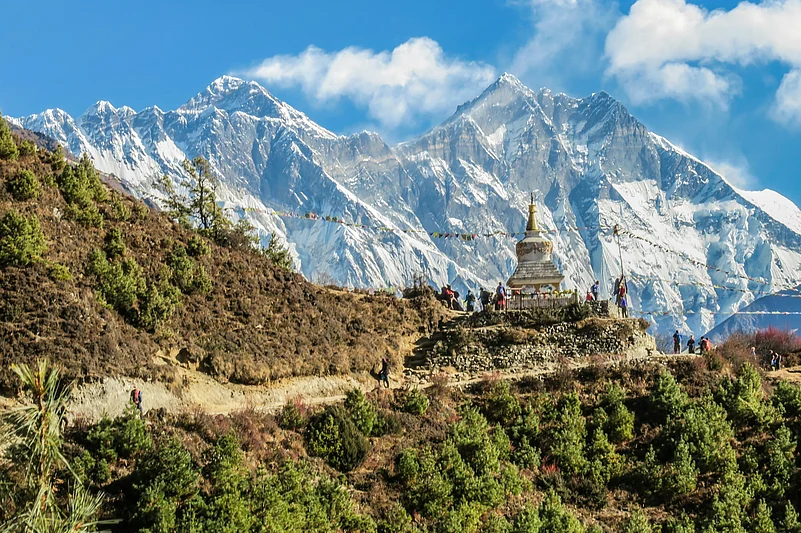
For many, hiking is the best part of Nepal. Routes such as Everest Base Camp, Annapurna Circuit, and Langtang Valley go through great scenery with villages and monasteries. Hikers stay in simple teahouses, which are small places that offer rooms and food. Many hikes are good for people who are somewhat in shape, but you need to plan. The height, weather, and land mean you need the right stuff, a slow pace, and careful planning. Hiring guides is common and helps local people.
Getting Around Nepal
Travelling in Nepal often takes longer than you think because of mountains and roads. Flights are the fastest way to get to places such as Pokhara or hiking spots. They often have great views of the Himalayas. Buses are the cheapest way to travel between cities, but they can take a long time. Many people hire cars with drivers for comfort. In cities, taxis are easy to find, but walking is the best way to see things.
Know The Customs
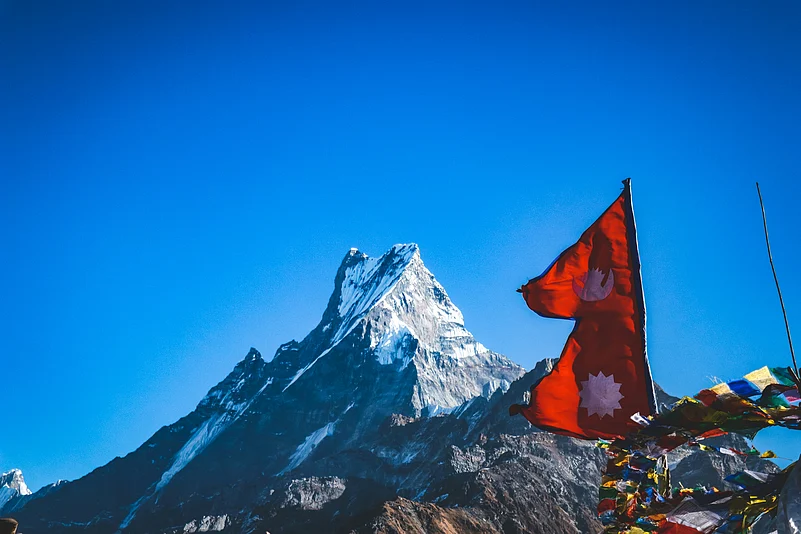
Respect is important in Nepal. Saying “Namaste” with your hands together is a nice thing to do. When eating with your hands, use your right hand. Dress nicely when going into temples and cover your shoulders and knees. Take off your shoes before going into holy places. Ask before taking pictures of people, especially during events.
Budget & Tips
Nepal is relatively affordable as compared to other places. There are budget hotels and family places. Luxury hotels are in cities such as Kathmandu and Pokhara. Local food is cheap, and you’ll probably like momos. Bring cash to small towns. ATMs are easy to find in cities. The water isn’t safe to drink, so drink bottled water. With some planning, Nepal is a great value for those looking for fun, culture, and views.
Where To Shop?
Thamel, Kathmandu
The city’s most famous traveller district, packed with shops selling trekking gear, handicrafts, singing bowls, pashmina shawls and colourful prayer flags.Asan Bazaar, Kathmandu
One of the oldest markets in the valley, known for spices, local snacks, traditional utensils and everyday Nepali life unfolding in a lively maze of lanes.Patan Handicraft Markets
A great place to find intricate metal sculptures, traditional paubha paintings and handmade crafts created by local artisans.Bhaktapur Pottery Square
A fascinating marketplace where visitors can watch potters shaping clay by hand and buy beautifully crafted ceramic pieces.Lakeside Market, Pokhara
A relaxed shopping strip lined with boutiques selling jewellery, Tibetan handicrafts, handmade journals and souvenirs overlooking Phewa Lake.Sauraha Bazaar, Chitwan
Small local shops selling Tharu handicrafts, wood carvings and handmade textiles that reflect the culture of Nepal’s Terai region.
What To See And Do?
Explore Kathmandu Durbar Square
Wander through historic courtyards filled with temples, palaces and intricate wood carvings that reveal the valley’s medieval heritage.Visit Boudhanath Stupa
One of the largest Buddhist stupas in the world, surrounded by monasteries, prayer wheels and rooftop cafés overlooking the sacred site.Watch Sunrise From Sarangkot
A short trip from Pokhara where early risers are rewarded with breathtaking views of the Annapurna and Dhaulagiri ranges.Go Boating On Phewa Lake
Paddle across Pokhara’s tranquil lake for views of the mountains and a visit to the small Tal Barahi Temple set on an island.Take A Safari In Chitwan National Park
Explore Nepal’s subtropical wilderness by jeep or canoe while spotting rhinos, crocodiles and diverse birdlife.Trek In The Himalayas
Whether it’s Everest Base Camp, the Annapurna Circuit or Langtang Valley, Nepal’s trekking routes offer some of the most spectacular mountain landscapes on earth.Visit Lumbini
The birthplace of Gautama Buddha, where peaceful gardens and international monasteries create a contemplative pilgrimage site.Walk Through Bhaktapur’s Ancient Streets
Discover traditional courtyards, pottery workshops and temples that make this city feel like a living museum.
FAQs
1. Do Indians need a visa to travel to Nepal?
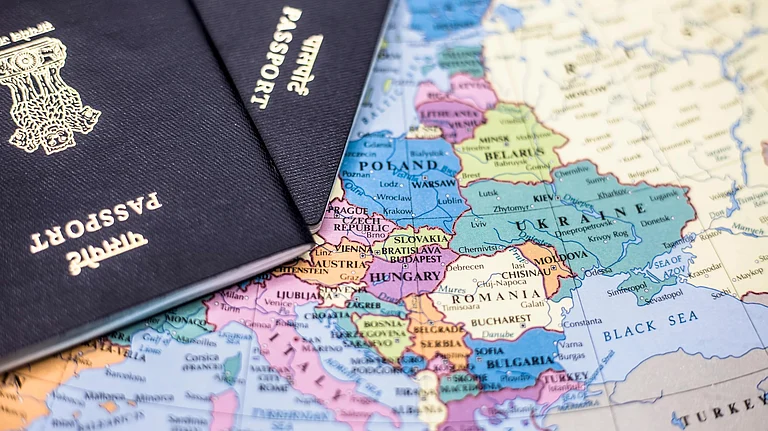
No. Indian citizens do not need a visa to enter Nepal. However, carrying a valid government-issued ID such as a passport or voter ID is required for travel.
2. What is the best time to visit Nepal?
The best time to visit Nepal is during autumn (September to November) and spring (March to May), when the weather is clear and ideal for trekking and sightseeing.
3. Is Nepal an expensive destination for travellers?
Nepal is generally considered an affordable destination. Budget guesthouses, inexpensive meals and low-cost transport make it accessible for many travellers.
4. Is it safe to trek in Nepal without a guide?
Many trekking regions now require travellers to hire licensed guides or obtain permits. Hiring a guide is recommended for safety and navigation in remote areas.
5. What currency is used in Nepal and can travellers use cards?
Nepal uses the Nepalese rupee. While cards are accepted at major hotels and restaurants in cities, cash is widely used, especially in smaller towns and markets.