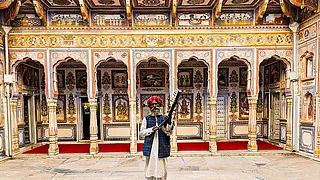
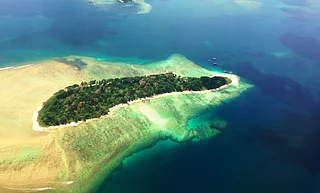
Located in Kenya’s sun-drenched archipelago, Lamu is the oldest and best-preserved Swahili settlement in East Africa. It has been continuously inhabited for over seven hundred years, and has been a UNESCO World Heritage site since 2001. The island features 14th-century architecture, honey-hued coral stone of its buildings, car-free, donkey-driven streets, and a predominantly Muslim society. It is known for traditional dhow sailing and festivals like the Lamu Cultural Festival, which celebrate rich Swahili, Arab, and Indian, and African traditions.
Things To Do And See In Lamu
Discover A UNESCO World Heritage Site
Lamu Old Town was inscribed as a UNESCO World Heritage Site in 2001. It is the oldest and best-preserved Swahili settlement in East Africa, retaining much of its traditional character and functions. Constructed from coral stone and mangrove timber, the town is distinguished by the elegant simplicity of its structures, enriched with inner courtyards, verandas, and elaborately carved wooden doors. Since the 19th century, Lamu in Kenya has hosted major Muslim religious festivals and has grown into an important centre for the study of Islamic and Swahili cultures.
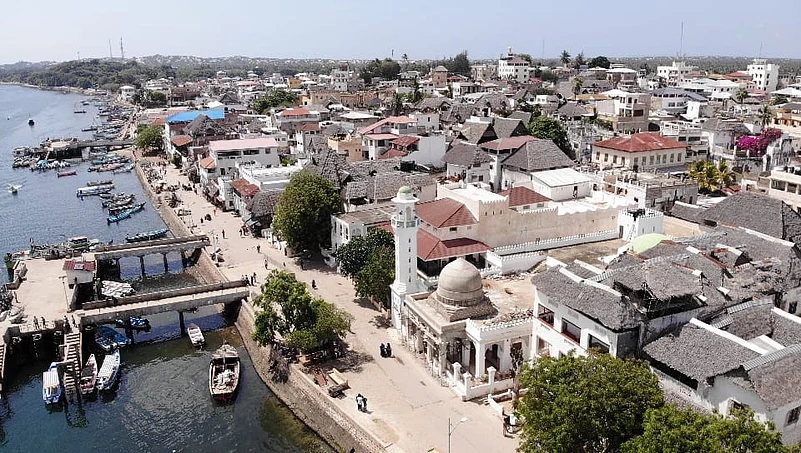

According to UNESCO, Lamu has “Outstanding Universal Value” as the oldest and best-preserved example of a Swahili settlement in East Africa. “With a core comprising a collection of buildings on 16 hectares, Lamu has maintained its social and cultural integrity, as well as retaining its authentic building fabric up to the present day,” says UNESCO.
Once the most important trade centre in East Africa, Lamu exerted significant influence across the region in religious, cultural, and technological spheres. A conservative and close-knit society, it has retained its status as an important centre for education in Islamic and Swahili culture, as reflected in the annual Maulidi and other cultural festivals. Unlike other Swahili settlements along the East African coast, which have been abandoned, Lamu has been continuously inhabited for over 700 years.
Sail On The Dhows
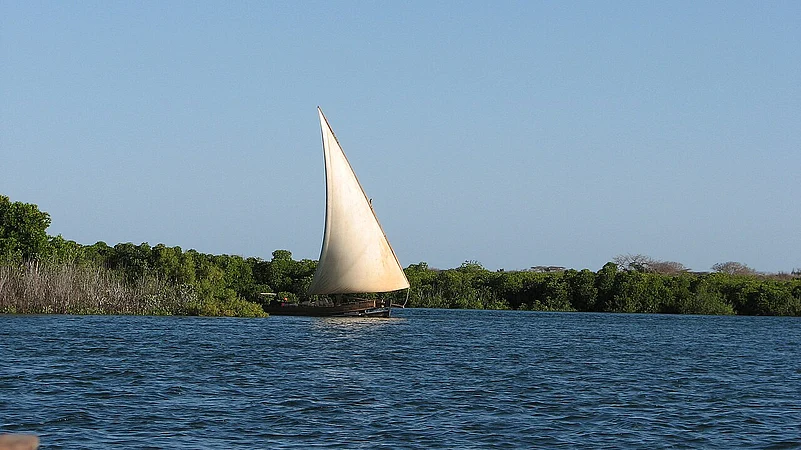
Lamu is known for traditional wooden Swahili boats, mashuas, used for fishing, cargo transport, and passenger travel. This dhow culture is a centuries-old Swahili tradition, central to life on the Kenyan archipelago and a vital, sustainable, and symbolic link to the maritime heritage of the Indian Ocean. These handcrafted wooden vessels are used for fishing, transport, and, most famously, in competitive annual races celebrated by the community, as well as for romantic sunset tours along the glittering waters.
In Lamu, the “dhow eye” gazes from the bows of traditional dhows, a stylised symbol carved, painted, or embroidered with care. Often shaped around a crescent moon and star, it is said to guard sailors against the perils of the sea, guide them by the stars, and stand as a vivid emblem of the archipelago’s maritime heritage.
Enjoy Walks In A Pedestrian-Friendly Area
Lamu Island is famously car-free, with over 3,000 donkeys serving as the primary mode of transport, taxis, and cargo haulers through its narrow, ancient streets. This pedestrian-friendly, slow-paced lifestyle is central to the island’s distinctive Swahili culture. Transportation is limited to donkeys, walking, or dhow boats, preserving the quiet, winding lanes.
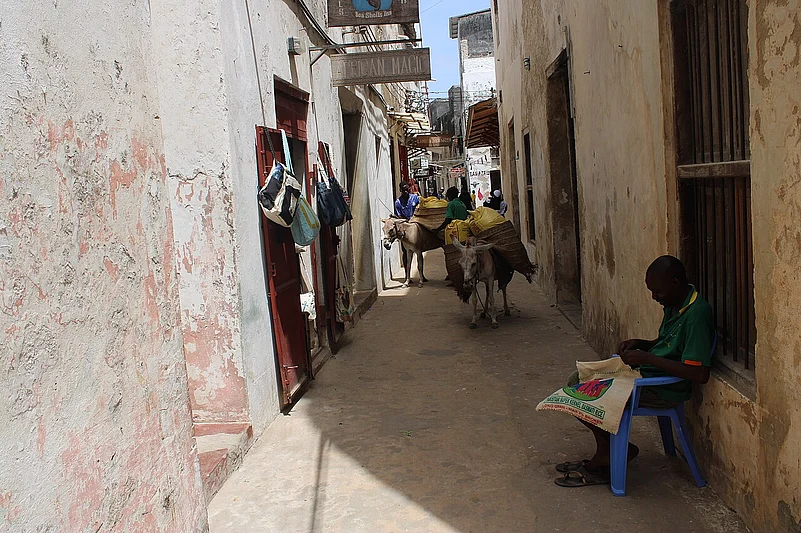
Visitors typically leave their vehicles on the mainland at Mokowe Jetty. A local proverb warns, “A man without a donkey is a donkey,” a reminder that those who do not own one must carry their own load. The island also boasts a specialised international donkey clinic, providing veterinary care for these indispensable working animals. Each year, Lamu hosts a competitive donkey race, a much-anticipated festival that celebrates both the animals and the community that relies upon them.
Check Out The Distinctive Architecture
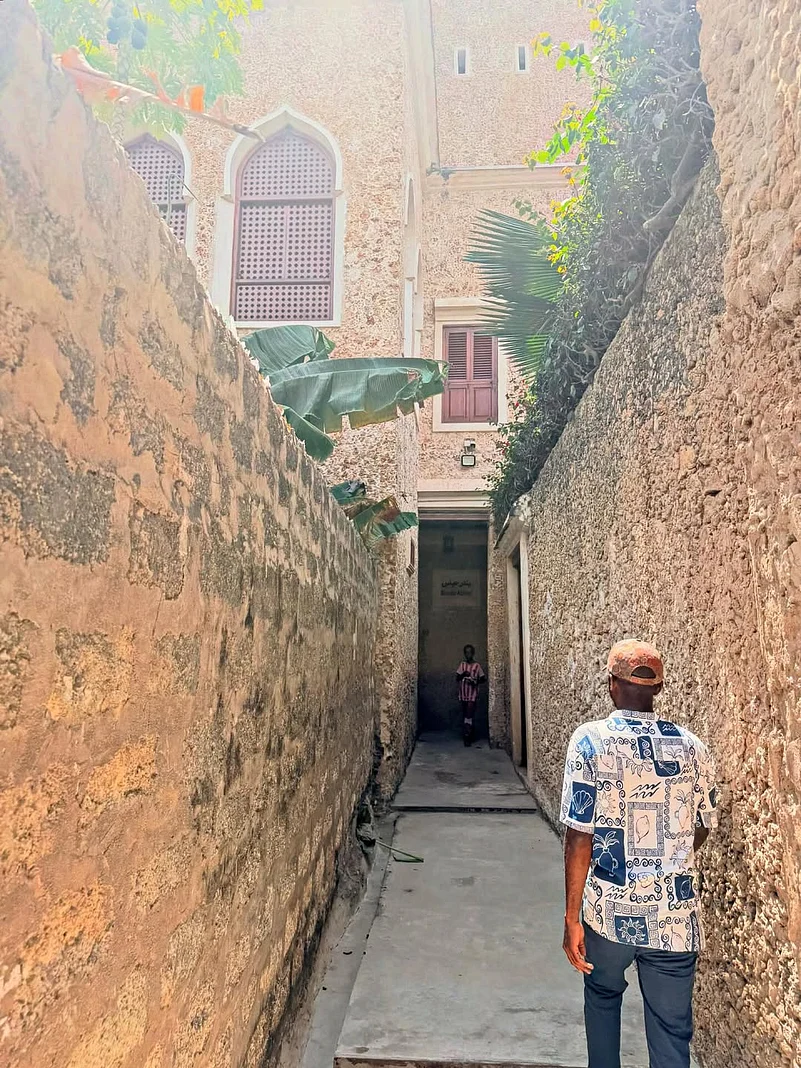
Lamu Old Town is renowned for its 13th-century Swahili stone houses, built from coral rag and mangrove timber. These structures feature a distinctive inward-looking design, often hidden from the street, with intricately carved wooden doors, interior courtyards, and thick walls that keep interiors cool in the coastal climate. The architecture reflects a blend of African, Arab, Persian, and Indian influences.
Typically multi-storey, the houses include inner courtyards (daka), flat roofs, and open verandas, particularly along the seafront. External windows are few, with light and ventilation provided primarily by the courtyards. Interiors often feature vidaka—delicate plasterwork wall niches—used for displaying porcelain or as decorative elements. Many traditional houses in Mkomani, the stone-town area, are oriented towards the north, following long-standing local customs.
Explore The Museums

Lamu Island boasts a rich network of museums celebrating Swahili culture and maritime history, most of them managed by the National Museums of Kenya. The Lamu Museum, the flagship institution, is housed in a 1900s building and showcases collections on Swahili culture, including jewellery, manuscripts, and maritime artefacts. It is currently undergoing renovations in partnership with Oman, with many items temporarily relocated to Lamu Fort.
The German Post Office Museum traces the history of the German postal service in East Africa during the late 19th century. Meanwhile, the Swahili House Museum offers an intimate glimpse into traditional domestic life, with a furnished house displaying typical Swahili architecture, interiors, and household items.
Visit Lamu Fort
The Lamu Fort, built between 1813 and 1821 by the Omanis, was originally constructed to protect Omani interests along the East African coast. Situated today around 70 m from the main jetty, the fort now occupies a central place in the town, serving as both a community centre and a museum, often housing collections while the main museum undergoes renovation. From 1910 to 1984, it was used as a prison, but today it stands as a reminder of Lamu’s chequered history.
Pick Up Souvenirs
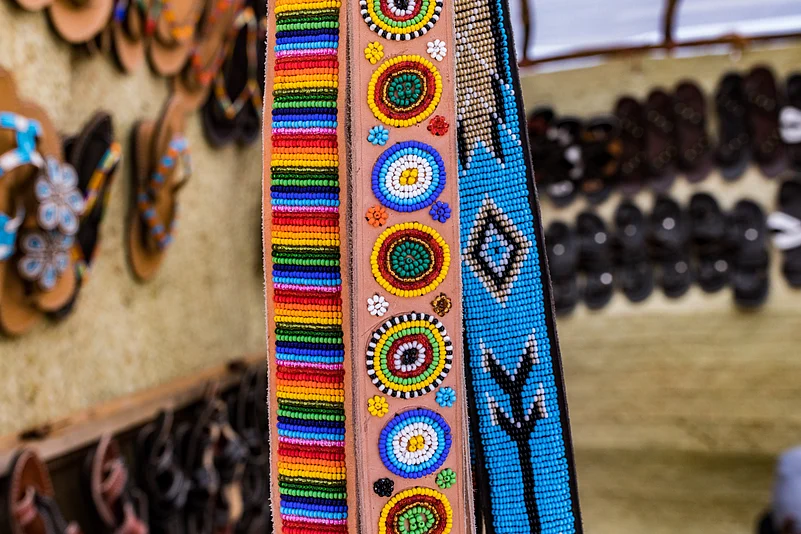
Lamu is a treasure trove, offering an array of handcrafted items, and textiles. Pick up intricately carved wooden pieces, beaded jewellery and belts, colourful kikoys, locally designed silk kaftans, natural soaps, and aromatic spices. Traditional carved wooden items, bags, hats, and vibrant woven baskets make for perfect keepsakes. The bustling markets and charming boutiques of Lamu Old Town and Shela Village are the best places to discover these treasures.
Hang Out At Lamu’s Upscale Coastal Escape
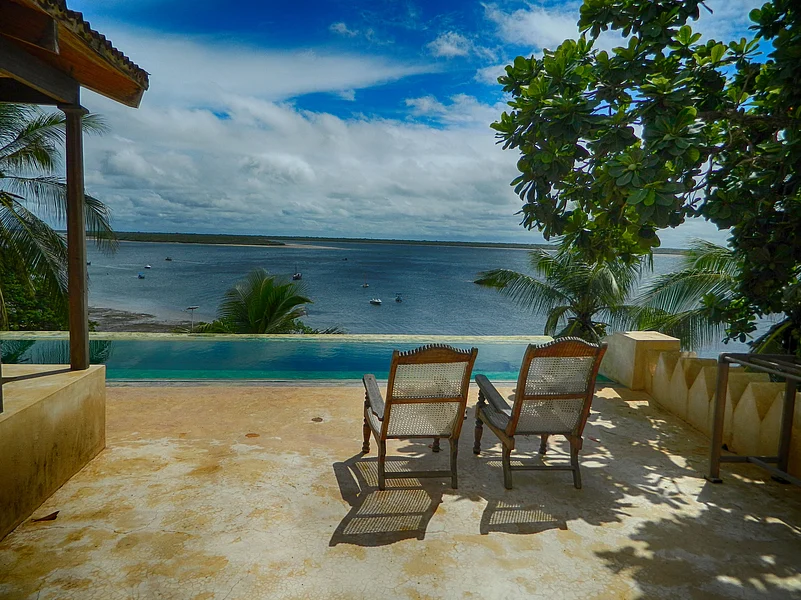
Shela, the historic and upscale enclave of Lamu, lies about 3.2 km south of Lamu Town and is easily reached by a 10-minute boat ride or a 45-minute walk along the shore. Known for its miles of pristine, uncrowded coastline, it is perfect for swimming, strolling, and watching dhows drift by at sunset. Often described as “sleepy yet sophisticated,” Shela attracts visitors seeking a slow pace of life and quiet relaxation. The village is also historically significant as the site of the 1813 Battle of Shela, which cemented Lamu’s dominance in the archipelago. Several boutique hotels, including the Peponi Hotel, serve as central social hubs, while the expansive beach remains the main attraction for lounging and swimming.
Where To Stay And Eat
The island offers a range of charming accommodations that blend Swahili style with coastal comfort. One of the most popular is Peponi Hotel & Restaurant in Shela Village. This seafront house, built in the 1930s, features 28 rooms within whitewashed walls and a deep, colonnaded veranda overlooking the Lamu Channel. Guests can enjoy coffee and breakfast on the bougainvillaea-shaded terrace and savour lunch or dinner at the hotel’s restaurant, renowned for its fresh, local cuisine. Also in Shela, Banana House offers Swahili-style rooms and a pool, ideal for a relaxing stay. Nearby, Jua House is a tasteful bed and breakfast in the heart of Shela, combining traditional design with modern comfort. In Lamu Town, Hotel Manda Bay, built in the 1960s, provides a peaceful retreat. From here, guests can stroll along the beach to the tip of the Ras Kilindini peninsula, where the waters open out to the Indian Ocean, offering breathtaking views and a sense of tranquillity.
Best Time To Visit
Lamu Island is a fantastic destination year-round, but for the ultimate seaside experience on the Indian Ocean, it is best visited during the two dry seasons: from July to October and again in January and February.
Getting There
The nearest and main airport to Lamu is Manda Airport (LAU), located on Manda Island. Daily flights are available from Nairobi (Wilson or Jomo Kenyatta International Airports), Malindi, and Mombasa via carriers like Skyward Express. From Manda Airport, a short boat ride is required to reach Lamu Island or Shela Village. Boat services operate from the airport to the jetty in Lamu Town or to nearby beaches. Land transport is possible to Mokowe Jetty, followed by a boat transfer to Lamu.
FAQs
How old is Lamu?
Lamu is one of the oldest continuously inhabited Swahili settlements in East Africa, with a history spanning over 700 years. Its streets, buildings, and traditions have been carefully preserved through centuries.
Why is Lamu historically important?
Lamu was once a key trading centre on the East African coast, influencing the region in religious, cultural, and technological spheres. It played a central role in Islamic scholarship and Swahili culture.
What makes Lamu Old Town special?
Lamu Old Town is the best-preserved example of a traditional Swahili settlement, with coral stone and mangrove timber houses, narrow pedestrian streets, inner courtyards, and intricately carved wooden doors.
Is Lamu a UNESCO World Heritage Site?
Yes. Lamu Old Town was inscribed as a UNESCO World Heritage Site in 2001 for its “Outstanding Universal Value” as the oldest and best-preserved Swahili settlement in East Africa.