

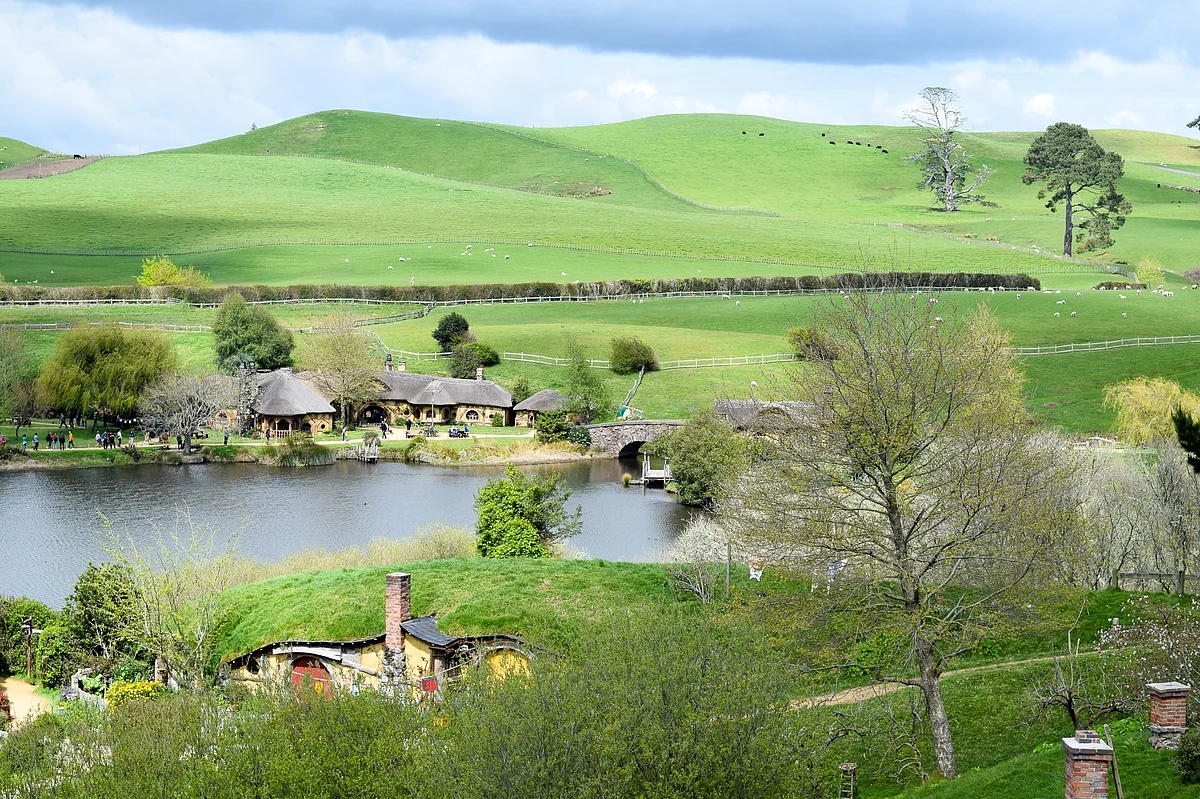
New Zealand has a reputation for dramatic landscapes, but its weather deserves equal billing. This is a country where sunshine can give way to rain within minutes, mountain peaks can disappear behind clouds before re-emerging under brilliant blue skies, and a warm afternoon can end with a distinctly wintery chill. Blame it on geography: a long, narrow island nation caught between the Pacific Ocean and the Tasman Sea, punctuated by alpine ranges, volcanic plateaus and deep fjords. The result is a patchwork of microclimates that keep travellers perpetually guessing. For visitors, this unpredictability is part of the charm. Packing layers becomes second nature, and checking the forecast often feels more like a suggestion than a certainty. From alpine national parks to coastal cities, these are seven places in New Zealand where experiencing four seasons in a single day is not just possible—it is practically part of the itinerary.
Queenstown
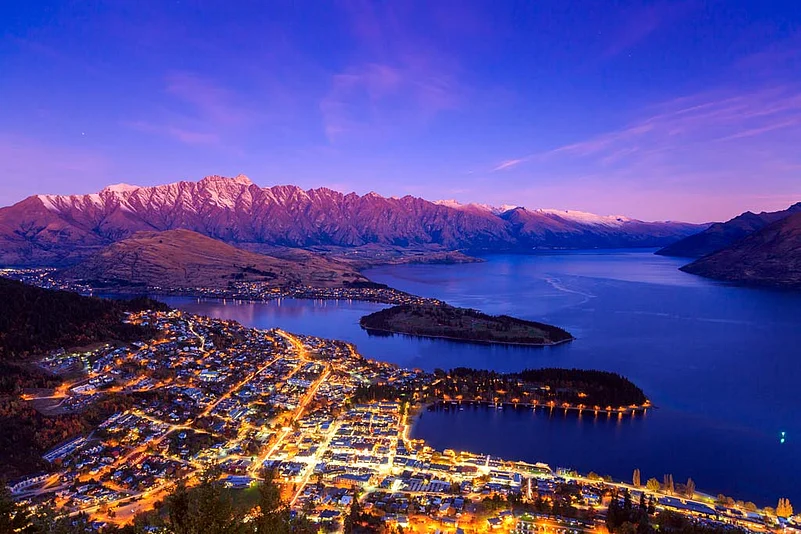

Queenstown is where New Zealand’s love affair with adventure meets some of its most mercurial weather. A morning stroll along the shores of Lake Wakatipu may begin under cloudless skies, only for gusty winds to roll in by lunchtime and rain showers to sweep across the valley by afternoon. Come evening, the Remarkables mountain range can be dusted with fresh snow, even when the town itself remains relatively mild. Surrounded by mountains on all sides, Queenstown sits in a natural weather funnel that creates rapid shifts throughout the day. The constantly changing conditions only add to the cinematic beauty of this South Island favourite.
Vibe check: Alpine adventure with a side of weather drama
Nearby attractions: The Remarkables, Arrowtown, Lake Wakatipu
Don’t forget: A waterproof jacket and sunglasses—you may need both within an hour
Aoraki/Mount Cook National Park
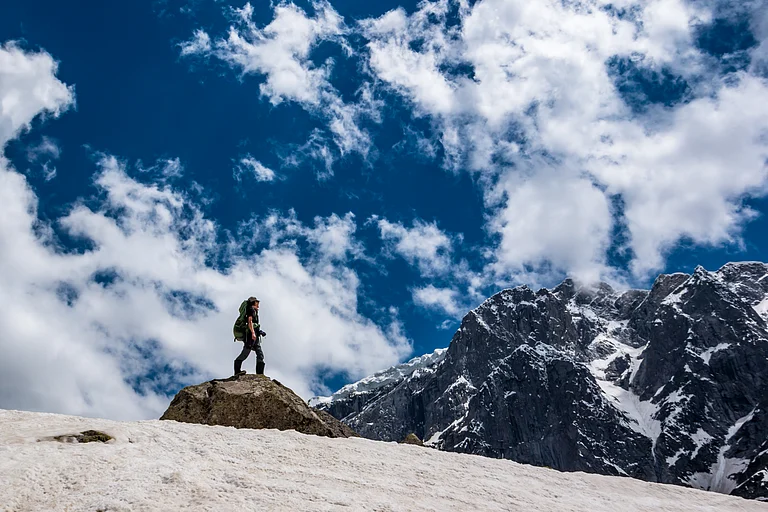
Home to New Zealand’s highest peak, Aoraki/Mount Cook National Park is a masterclass in alpine unpredictability. The morning may begin with dazzling sunshine illuminating glaciers and snowfields, but temperatures can plunge quickly as winds sweep down from the mountains. Sudden cloud cover, snowfall, and icy conditions are not uncommon, even outside winter. The park’s rugged terrain creates its own microclimate, making weather forecasts notoriously difficult to predict. For hikers tackling the Hooker Valley Track or photographers chasing that perfect mountain reflection, flexibility is essential. The changing skies often become part of the experience, transforming familiar landscapes by the hour.
Vibe check: High-altitude wilderness with epic scenery
Nearby attractions: Hooker Valley Track, Tasman Glacier, Mueller Lake
Don’t forget: Layered clothing and a close eye on DOC weather updates
Wellington
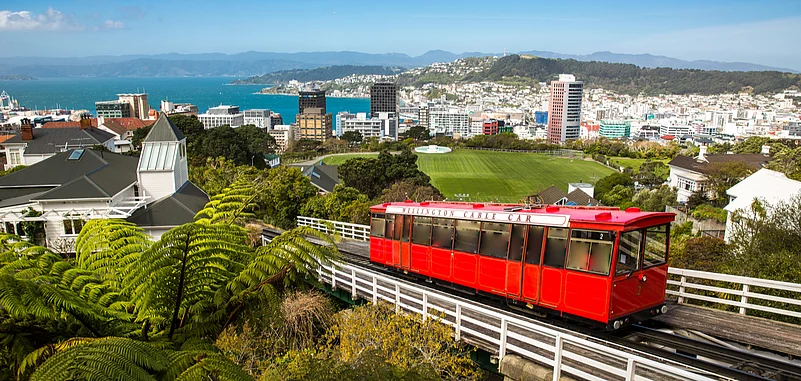
The capital city has long embraced its reputation as one of the world's windiest urban centres. Wellington’s position between mountains and the Cook Strait creates ideal conditions for weather mood swings. It is entirely possible to wake up to a crisp, chilly morning, enjoy a sunny harbour-side lunch and find yourself battling powerful gusts and rain by late afternoon. Locals barely blink at these rapid changes, often carrying jackets year-round regardless of the forecast. Yet the city's weather is part of its personality, adding energy and unpredictability to its thriving café culture, waterfront walks and creative scene.
Vibe check: Urban cool with a wind-swept edge
Nearby attractions: Te Papa Museum, Mount Victoria, Wellington Waterfront
Don’t forget: A windproof layer—umbrellas rarely stand a chance
Taupō
Perched on the edge of New Zealand’s volcanic heartland, Taupō experiences weather that can shift as quickly as the geothermal activity beneath it. Clear, crisp mornings often give way to bright sunshine, while afternoon weather fronts can arrive with little warning. The vast expanse of Lake Taupō also influences local conditions, creating sudden changes in wind and temperature. One moment you may be enjoying calm waters and distant mountain views; the next, clouds can sweep across the landscape, dramatically altering the mood. For travellers, the constantly changing skies only enhance the region’s natural beauty.
Vibe check: Lakeside tranquillity with volcanic energy
Nearby attractions: Huka Falls, Tongariro National Park, Craters of the Moon
Don’t forget: A daypack with layers for changing temperatures
Auckland
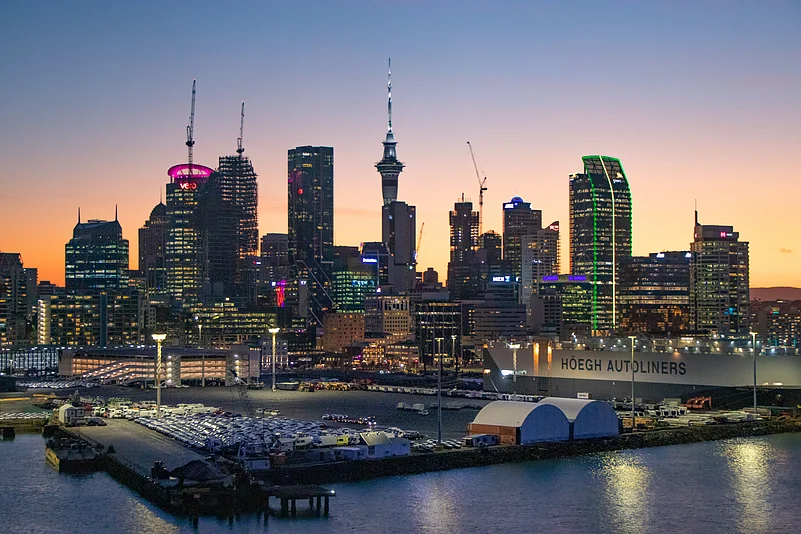
Auckland’s weather reputation is legendary among locals. Spread across an isthmus between two harbours, New Zealand’s largest city frequently experiences multiple weather patterns simultaneously. It is not unusual for one neighbourhood to be drenched in rain while another enjoys uninterrupted sunshine. Warm temperatures can suddenly dip as sea breezes strengthen, while clouds often move rapidly across the skyline. For visitors, this means plans rarely need cancelling—just relocating. The city's blend of urban life, beaches and volcanic landscapes feels even more dynamic under constantly shifting skies.
Vibe check: Coastal city living with unpredictable flair
Nearby attractions: Waiheke Island, Mount Eden, Auckland Harbour
Don’t forget: A lightweight rain jacket, even on sunny days
Dunedin
Dunedin’s weather has developed something of a personality of its own. Situated on the South Island’s southeast coast, the city combines maritime influences with sudden southerly weather systems that can transform conditions in a matter of hours. Bright sunshine may illuminate the city’s Victorian architecture one moment before cold winds and showers sweep in from the Southern Ocean. Even locals describe the weather as delightfully unpredictable. Beyond the city, dramatic coastlines, wildlife colonies and rolling hills become even more atmospheric when framed by fast-changing skies. It is this unpredictability that often gives Dunedin its distinctive charm.
Vibe check: Historic charm meets rugged coastal weather
Nearby attractions: Otago Peninsula, Larnach Castle, Tunnel Beach
Don’t forget: Warm layers, regardless of the season
Rotorua
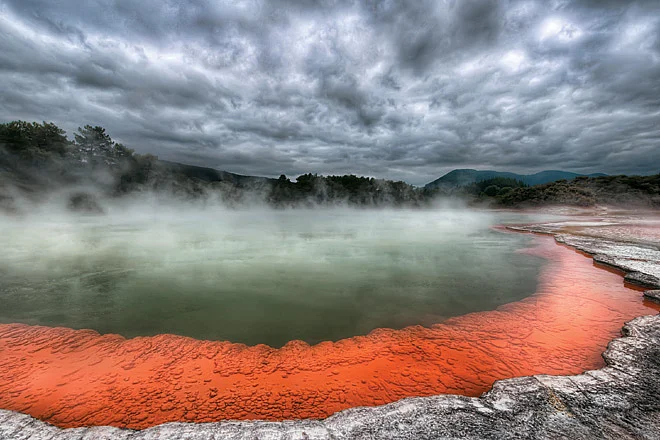
Rotorua’s geothermal landscapes already feel otherworldly, and its weather only adds to the sense of unpredictability. Warm mornings can quickly transition into rainy afternoons before clearing again to reveal blue skies over steaming geysers and bubbling mud pools. The region’s inland location combines with broader North Island weather systems to create frequent shifts in temperature, cloud cover and wind conditions. Visitors exploring geothermal parks, lakes or nearby forests often find themselves experiencing multiple seasons before the day is done. Fortunately, Rotorua’s abundance of indoor and outdoor attractions means there is always somewhere fascinating to retreat to.
Vibe check: Geothermal wonderland with ever-changing skies
Nearby attractions: Te Puia, Redwoods Forest, Lake Rotorua
Don’t forget: Comfortable walking shoes and a packable waterproof layer
New Zealand may not officially deliver four seasons in a day, but it comes remarkably close. Across mountains, coastlines, volcanic landscapes and vibrant cities, the country's ever-changing weather keeps every journey feeling spontaneous. The secret is simple: pack layers, embrace the unpredictability and enjoy the show.
FAQs
1. Why does New Zealand experience such rapid weather changes?
Its mountainous terrain, coastal location and diverse microclimates create fast-changing conditions.
2. Which New Zealand destination is most famous for unpredictable weather?
Queenstown is particularly known for experiencing multiple weather conditions in a single day.
3. Is it possible to see snow and sunshine on the same day in New Zealand?
Yes, especially in alpine regions like Aoraki/Mount Cook and Queenstown.
4. What should travellers pack for New Zealand's changing weather?
Layered clothing, a waterproof jacket, sun protection and comfortable walking shoes.
5. Which season is best for experiencing New Zealand's dramatic weather?
Weather shifts can occur year-round, though spring and autumn often see the most variation.