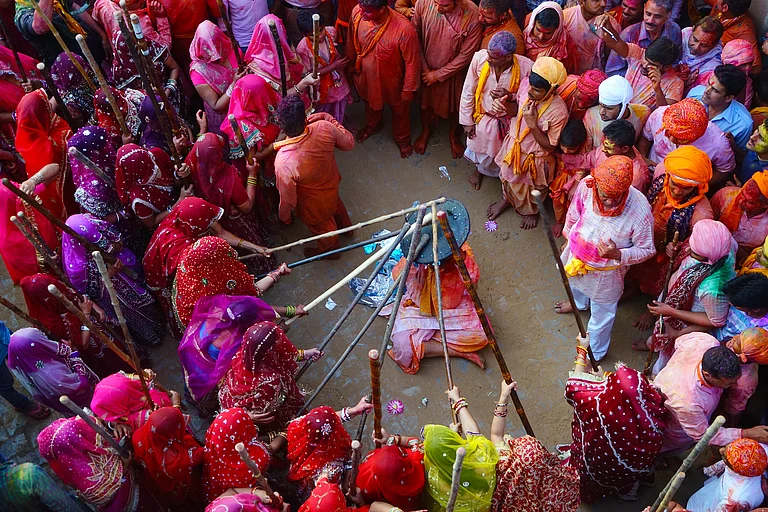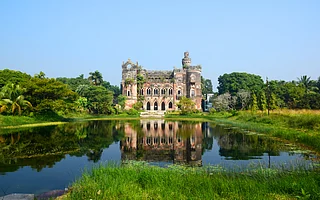


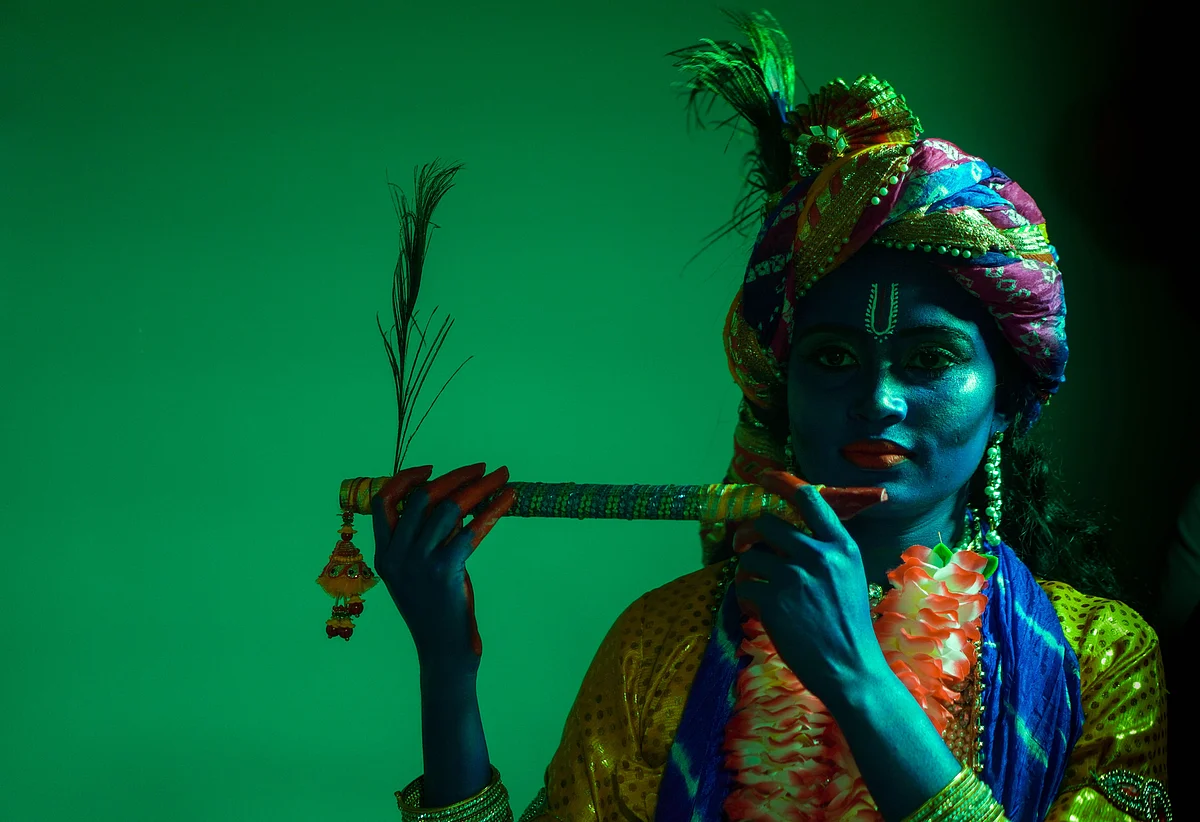
By the time Janmashtami arrives in Mathura and Vrindavan, the Braj region has already slipped into festival mode. Temples glow beneath strings of lights and floral decorations, devotional music spills into the streets, and thousands of devotees begin arriving to mark the birth of Lord Krishna. In 2026, Janmashtami falls on September 4, with the most important midnight celebrations continuing into the early hours of September 5.
For a first-time visitor, however, the festival can be as demanding as it is rewarding. Roads around major temples become congested, walking distances increase and ordinary travel times can stretch considerably. The trick is not to see everything, but to give the most important places enough time. This 48-hour itinerary divides the experience between Mathura and Vrindavan, with room for food, rest and the midnight Janmotsav.
Day 1: Begin In Mathura, Where Krishna’s Story Starts


Arrive in Mathura early on September 4 and settle into your accommodation before beginning your temple circuit. If you have arrived by train, Mathura is particularly convenient as a base, with the city well connected to Delhi and other parts of North India. Those travelling by air can reach Mathura by road from Delhi or Agra.
Make Shri Krishna Janmabhoomi your first major stop. Traditionally regarded as Lord Krishna’s birthplace, the temple complex becomes the centre of Janmashtami celebrations, culminating in the midnight birth ceremony. Expect enhanced security, queues and crowd-control measures, particularly as the evening progresses, so check the latest local advisories and entry arrangements before setting out.
From here, continue to Dwarkadhish Temple, one of Mathura’s best-known shrines. Its association with Krishna as Dwarkadhish offers a different dimension to the city’s Krishna traditions, while festive decorations and devotional activities add to the atmosphere during Janmashtami.
Take A Breather By The Yamuna
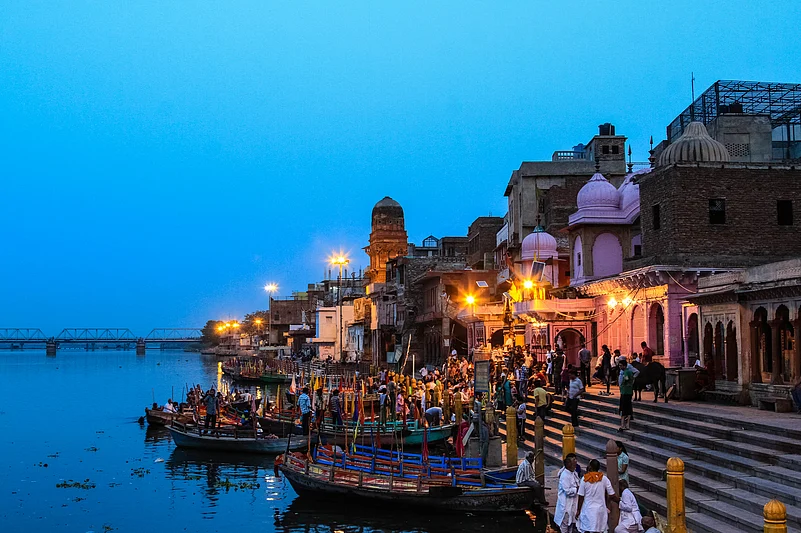
By late morning, slow the pace down. After lunch and some much-needed rest at your hotel, head towards Vishram Ghat in the afternoon or early evening, depending on crowd restrictions. Set along the Yamuna, the historic ghat is traditionally associated with Krishna resting here after defeating Kansa. It also offers a welcome change from the packed temple streets.
This is a good time to explore Mathura’s food culture. Begin with a plate of kachori-sabzi or bedai for breakfast or an early meal, and make room for the city’s famous peda. Rabri and lassi are other local favourites, particularly useful when you need something refreshing between temple visits. Food is an integral part of the Braj experience, and Mathura peda also makes for an easy edible souvenir.
As evening approaches, move towards the Shri Krishna Janmabhoomi area well ahead of the midnight celebrations. Avoid taking a private car deep into the temple precincts. Festival traffic restrictions and pedestrian movement can make walking the more practical option.
Midnight At Krishna Janmabhoomi
The defining moment of the trip comes around midnight. On Janmashtami, devotees gather for the Nishita Kaal prayers and the ceremonial celebration of Krishna’s birth. The 2026 celebrations are expected to centre around the midnight period, with the birth observance taking place shortly after midnight.
This is the part of the itinerary where flexibility matters most. Entry arrangements, security protocols, timings and crowd restrictions can change, so follow instructions issued by temple authorities and the local administration rather than relying solely on a pre-planned schedule.
Once the midnight celebrations conclude, head towards Vrindavan if your accommodation is there. Otherwise, stay in Mathura and make an early start the next morning. Either way, keep expectations realistic: this is going to be a very late night.
Day 2: Follow Krishna Into Vrindavan

Start Day two early, especially if Banke Bihari Temple is on your list. Vrindavan’s most famous shrine attracts devotees throughout the year, and Janmashtami brings an even greater rush. Special rituals and celebrations make an early visit worthwhile, although timings and access can change during the festival.
Once you have completed your darshan, head to ISKCON Vrindavan. Known for its international following, devotional chanting and lively kirtans, the temple provides a distinctly different experience from the older temples and lanes of Vrindavan. During Janmashtami, the atmosphere is particularly energetic, with special devotional programmes taking place around the festival.
After a morning of temple-hopping, stop for breakfast or lunch and take a proper afternoon break. This is not wasted sightseeing time. Heat, crowds and several hours of walking can quickly become exhausting, and the second half of the day is better enjoyed with some breathing room.
Spend The Evening Among Vrindavan’s Landmarks
Return to your itinerary in the afternoon with Prem Mandir. Its expansive complex is known for its detailed architecture and sculpted depictions of Radha and Krishna, making it one of Vrindavan’s most visually distinctive attractions. Arrive with enough time to explore in daylight and stay into the evening for the illumination.
If crowd conditions permit, use the remaining time to explore Nidhivan or Vrindavan’s older temple neighbourhoods. Nidhivan is closely associated with local Krishna traditions and legends, while wandering through the town’s lanes gives you a sense of Vrindavan beyond its headline attractions.
With another day, you could extend the journey to Gokul, Govardhan, Barsana or Nandgaon, all part of the wider Braj region and deeply connected with Krishna traditions. But for a 48-hour Janmashtami trip, Mathura and Vrindavan offer more than enough to experience.
What To Keep In Mind
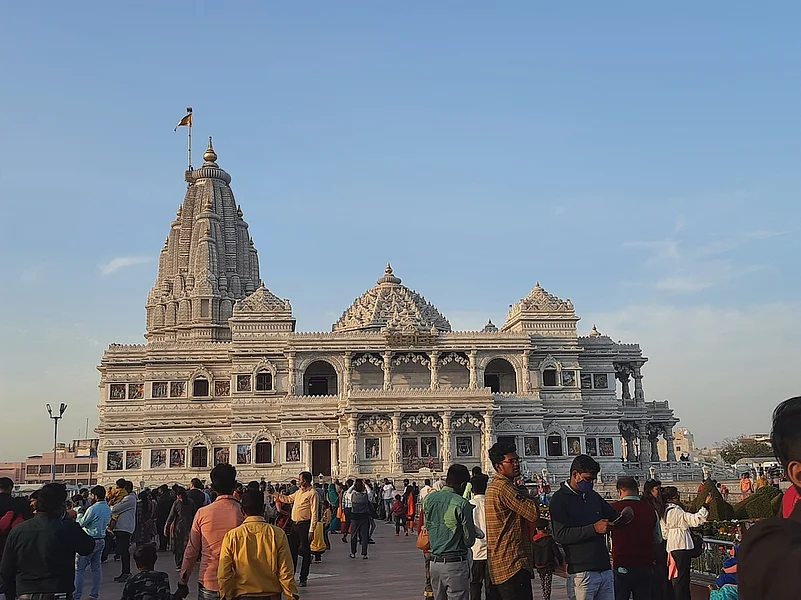
The most important rule is to travel light. Carry water, identification, essential medicines, your phone and only what you need. Comfortable footwear is essential because you may spend long periods walking or standing. Keep valuables secure, particularly in dense crowds, and make sure children and older family members have important contact details with them.
Book accommodation well in advance, too. Vrindavan is the better base if your priority is Banke Bihari, ISKCON and Prem Mandir, while Mathura works well for Krishna Janmabhoomi, Dwarkadhish Temple, Vishram Ghat and onward rail connections.
Most importantly, leave gaps in the itinerary. During Janmashtami, a short road journey can become a long walk, and a temple visit can take considerably longer than expected. Give the festival room to dictate your pace. After all, in Mathura and Vrindavan, the experience is as much about being part of Braj during Janmashtami as it is about ticking temples off a list.
FAQs
1. When is Janmashtami in 2026?
Janmashtami will be celebrated on September 4, 2026, with midnight celebrations extending into September 5.
2. How many days are enough for Mathura and Vrindavan?
Two days are enough for the major highlights, although an extra day allows time for Gokul, Govardhan, Barsana or Nandgaon.
3. Which temples should I visit in Mathura and Vrindavan?
Prioritise Krishna Janmabhoomi and Dwarkadhish Temple in Mathura, followed by Banke Bihari, ISKCON and Prem Mandir in Vrindavan.
4. Where should I stay during Janmashtami?
Vrindavan is convenient for its major temples, while Mathura works well for Krishna Janmabhoomi, Vishram Ghat and onward rail travel.
5. What should I carry for a Janmashtami trip?
Carry water, identification, essential medicines, a phone and minimal valuables. Comfortable footwear is essential for long walks and crowded areas.