India’s cocktail culture is learning to look closer to home. The ingredients shaping a new generation of drinks are not necessarily imported liqueurs or obscure European botanicals, but things that have long been familiar in Indian kitchens, markets and gardens. Mahura, vetiver, saffron, sandalwood, Nagpur orange, jasmine, pickle brine, and raw mango are finding new lives behind the bar, bringing a distinctly Indian vocabulary to contemporary cocktails.
What’s In Your Glass? India’s Local Ingredients Have The Answer
From Mahura and vetiver to raw mango and pickle brine, Indian ingredients are giving contemporary cocktails a distinctly local identity

Advertisement
This shift has been building for years. The Indian drinking scene of the 2010s introduced diners and drinkers to more adventurous combinations, while the rise of speakeasies, craft breweries, and ingredient-led cocktail programmes pushed bartenders to experiment with flavour, texture, and aroma. Street-side favourites such as nimbu soda offered an early blueprint: citrus, salt, sweetness, and carbonation could create a drink that was simple yet carefully balanced.
By 2026, that instinct has become more sophisticated. Cocktails are less about adding an obvious Indian ingredient to a familiar recipe and more about understanding what an ingredient can contribute to the structure of a drink. A regional fruit might provide acidity, a spice might bring warmth, while a flower or botanical can shape the aroma. The result is a drinking culture that feels increasingly rooted in place.
From Kitchen To Bar
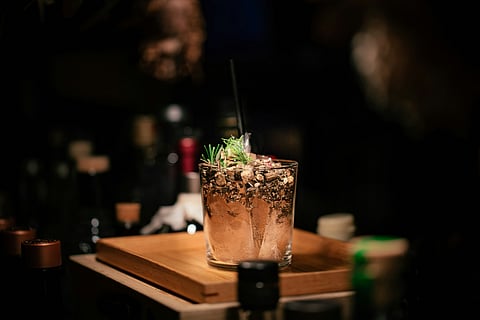
From nimbu soda to clarified cocktails, familiar Indian flavours continue to influence the country’s modern drinking culture Unsplash
For Avinash Kapoli, co-founder of Kompany Hospitality & Soka, the appeal lies in the sheer variety of ingredients available across India. “There is definitely a growing curiosity around flavours that are genuinely connected to India,” he said. “We have always had an incredible variety of fruits, spices, botanicals, and traditional spirits, but bartenders are now looking at them differently and finding ways to use them in contemporary cocktails.”
Advertisement
That change is visible in the way familiar ingredients are being handled. Vetiver, for instance, is known for its earthy, cooling, and aromatic qualities, but its use in a cocktail can take it far beyond its traditional associations. Kapoli pairs it with Mahura, coconut water, and green mango to create a drink that remains fresh while retaining a recognisable Indian character.
The same approach applies to saffron. Rather than allowing its distinctive aroma to dominate, bartenders can use it as a supporting note. In a whiskey-based cocktail with sweet vermouth and wine cordial, Kapoli said saffron contributes subtle earthiness and fragrance while becoming part of the drink's larger structure.
This restraint marks an important change from some of the more maximalist cocktails of the past decade. Indian flavours no longer need to announce themselves through a long list of spices or elaborate garnishes. Sometimes, one ingredient with a strong identity is enough.
Advertisement
A Sense Of Place
Regionality has become another defining part of this movement. A cocktail can now function almost like a liquid postcard, connecting a drinker with a particular landscape through a single ingredient. Nagpur orange, for example, brings an immediate sense of place. Combined with Scotch, orgeat, aromatic bitters, and kaffir lime, it can create an Indian reference without turning the cocktail into a collection of stereotypical flavours.
This idea extends to ingredients that have traditionally occupied entirely different roles. Jasmine, which is more commonly encountered through fragrance, tea and traditional preparations, has considerable potential behind the bar. Kapoli uses it with gin, dry vermouth, tulsi, and cucumber, allowing its floral character to remain delicate rather than becoming overwhelmingly perfumed.
Sandalwood presents another intriguing possibility. Its association with fragrance, rituals and memory makes it less obvious as a drinking ingredient, but that is precisely what makes it interesting. Used alongside whiskey, banana and smoke, Kapoli found that it could shape the aroma and overall experience of a cocktail without necessarily becoming its dominant flavour.
Advertisement
The growing interest in indigenous spirits adds another dimension. Mahura, made from the flowers of the Mahua tree, is gaining attention as bartenders and consumers look beyond established international spirit categories. Its significance is not simply that it is Indian, but that it gives bartenders a spirit around which they can build rather than using an imported base and adding a token local flavour.
Old Flavours, New Techniques
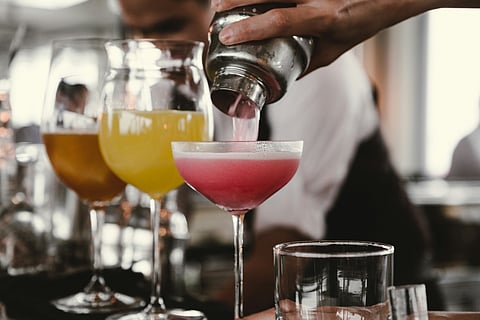
Modern cocktail techniques are giving traditional Indian ingredients a new role behind the bar without losing their familiar character Unsplash
The most interesting part of India's cocktail evolution may be the meeting between familiar flavours and modern techniques. Clarification, carbonation, fermentation, fat-washing, and controlled infusions have given bartenders new ways to present ingredients that drinkers already recognise.
Watermelon offers a good example. Through clarification, its appearance and texture can be transformed while retaining the fruit's flavour. Kapoli combines clarified watermelon with whiskey, smoked spices, plum and citrus, using technique to make the drink feel contemporary without disconnecting it from its recognisable ingredients.
Advertisement
Even pickle brine, once firmly associated with the dining table, can become a sophisticated cocktail component. Combined with tequila, raw mango, and chilli, it contributes acidity, salinity, and savouriness, creating a drink that may feel familiar to an Indian palate while being structurally quite different from a traditional preparation.
There are challenges, of course. Fresh Indian produce can vary considerably in sweetness, acidity, aroma, and intensity. Beetroot, for example, can change the balance and colour of a cocktail with even a small adjustment in quantity. Bartenders therefore have to work with the produce in front of them rather than treating every recipe as a fixed formula.
That adaptability is perhaps what gives the movement its character. India's cocktail culture is no longer simply borrowing global trends and giving them an Indian garnish. It is drawing from the country's kitchens, farms, markets, and regional traditions, then using contemporary bar techniques to reinterpret them.
Advertisement
The nimbu soda of the 2010s, the kokum and tamarind cocktails of the speakeasy era, and today's clarified, botanical and savoury serves are all part of the same larger story. As Kapoli put it, Indian cocktails are “slowly developing an identity of their own rather than simply adapting international trends.”
The next chapter may therefore be less about discovering exotic ingredients and more about rediscovering the ones that have been around all along. In India's modern bars, the most compelling cocktail might already be hiding in the pantry.
FAQs
1. Why are Indian ingredients becoming popular in cocktails?
Bartenders are exploring local flavours, regional produce and indigenous spirits to create cocktails with a stronger sense of identity.
2. Which Indian ingredients are being used in cocktails?
Mahura, vetiver, saffron, sandalwood, jasmine, raw mango, Nagpur orange, beetroot and pickle brine are among them.
3. What is Mahura?
Mahura is an indigenous Indian spirit made from Mahua flowers and is increasingly being explored in contemporary cocktail programmes.
Advertisement
4. How are traditional ingredients used in modern cocktails?
Bartenders combine familiar ingredients with techniques such as clarification, infusion, carbonation and fermentation.
5. Are Indian cocktails moving away from international trends?
Rather than rejecting global techniques, Indian bartenders are increasingly using them to highlight regional ingredients and develop a distinct local cocktail identity.
Published At: