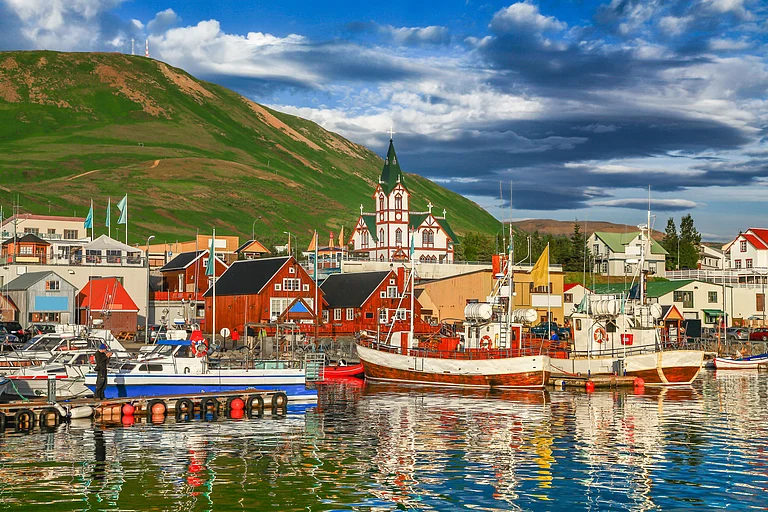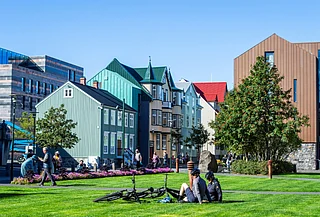


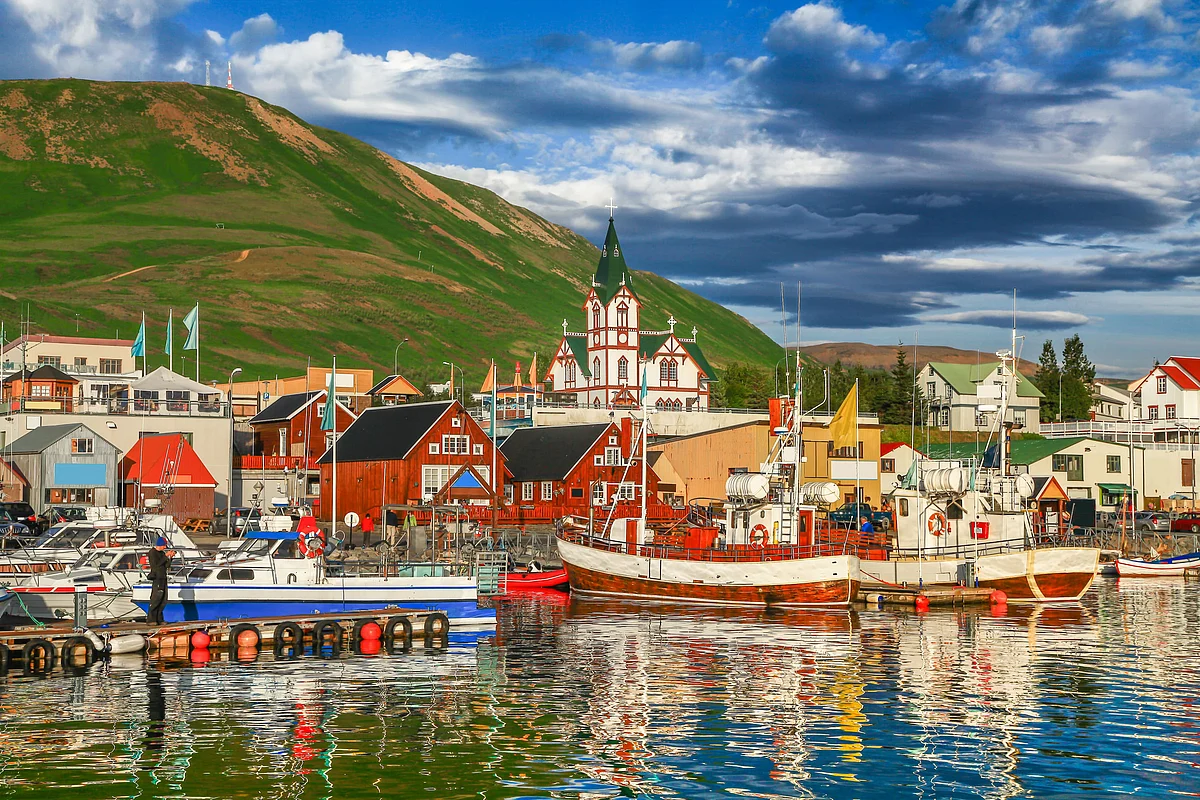
The flavours of Iceland have arrived in Delhi as Roseate House New Delhi hosts Icelandic Seafood Week from March 2 to 8, bringing the island nation’s seafood traditions and sustainability-driven food culture to the capital.
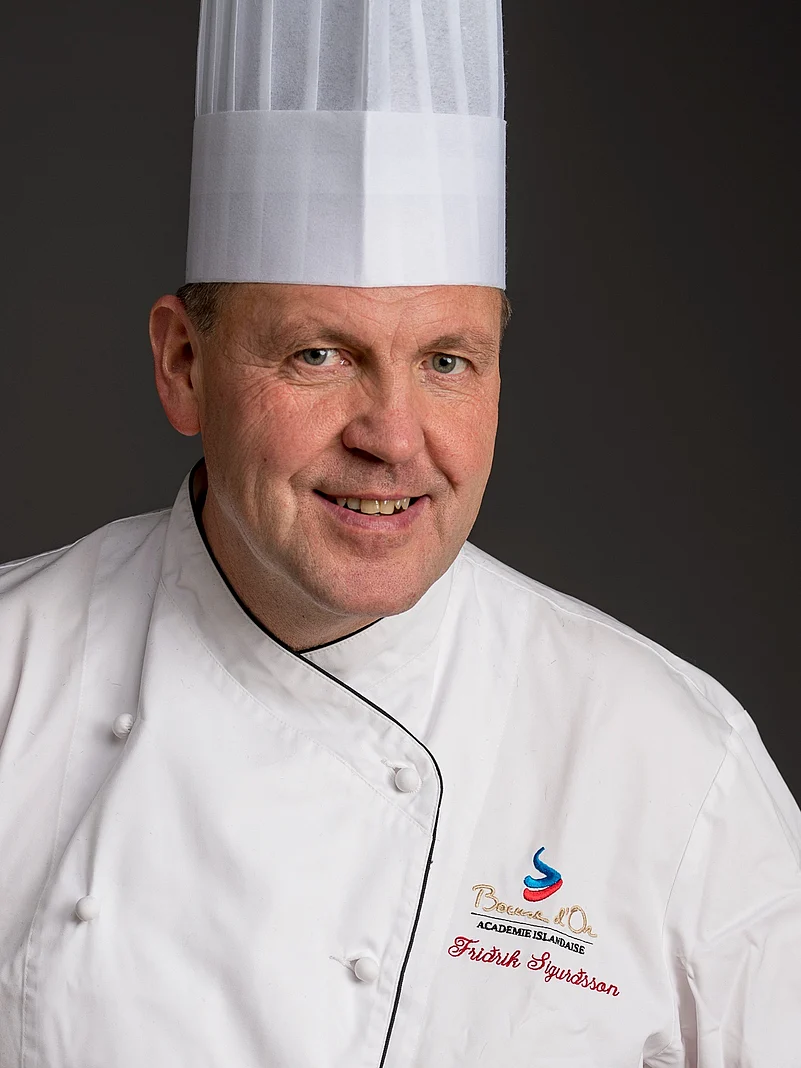
The festival is led by acclaimed Icelandic chef Friðrik Sigurðsson in collaboration with the Embassy of Iceland. The programme also included a special trade and travel luncheon, where discussions extended beyond the menu to explore sustainability, tourism and Iceland’s deep connection with the sea.
More than a dining experience, the event highlighted how Iceland views seafood not merely as cuisine, but as a reflection of its identity, its relationship with nature and its approach to responsible living.
Seafood As Iceland's Culinary Identity
For Iceland, seafood is more than an ingredient; it is deeply intertwined with the country’s history and economic foundations.
In an exclusive interaction with Outlook Traveller, The Ambassador of Iceland to India, Benedikt Höskuldsson, explained that the seafood industry has long shaped the country’s development.
“The seafood industry has formed the backbone of our economy for decades, and it is actually the sector that makes the country affluent in a sense,” he said.
Because of this legacy, food plays a key role in how Iceland presents itself to the world. For travellers visiting the country, the culinary experience is considered an essential part of the journey.
“When you travel, part of it is seeing, but part of it is also tasting,” he noted, adding that Iceland encourages visitors to explore local cuisine as part of understanding the country itself.
Seafood, therefore, becomes not just a gastronomic highlight but also an extension of Iceland’s cultural storytelling, something that increasingly features even in diplomatic engagements and cultural exchanges.
A Menu Inspired By Tradition
At Roseate House New Delhi, Chef Friðrik Sigurðsson designed a menu that reflected both Iceland’s culinary traditions and the exceptional freshness of its seafood.
With more than five decades of experience and serving since 2003 as First Chef at Iceland’s Ministry of Foreign Affairs, Sigurðsson has played a significant role in presenting Icelandic cuisine on the global stage.
For the Delhi showcase, his approach was rooted in simplicity, allowing the quality of the seafood to take centre stage. Working alongside Icelandic MasterChef Sigurður Ðaði Fridriksson, the chefs focused on presenting fish in its purest form, emphasising freshness and clean, uncomplicated flavours that reflect Iceland’s culinary philosophy.

Several dishes highlighted traditional Icelandic foods presented in modern forms. One of them was a foam in the glass made from cod, a preparation widely consumed in Iceland and often eaten weekly in many homes. Another traditional ingredient, dried fish, appeared as a crisp cracker.
The menu also introduced diners to capelin, a small fish found in the cold waters around Iceland. The chefs explained that many people know the roe from sushi, but they don’t always know the fish (capelin) it comes from. “But the fish itself is wonderful as well,” they added.
Where Sustainability Meets The Sea
Beyond the menu itself, sustainability was a central theme of the conversations surrounding the event.
Iceland is internationally recognised for pioneering the “100% Fish” initiative, a concept rooted in the idea that every part of the fish should be utilised.
Recalling his early years in the seafood industry, Höskuldsson said that when he was growing up as a young boy and later as a young man, he had the opportunity to work in the sector, explaining that traditionally when a fish such as salmon is filleted, only about 40–45 percent is used for food while the rest often becomes waste, a model Iceland has worked to change.
He emphasised that if the world is serious about tackling climate change and building a circular economy, resources cannot be wasted. In Iceland, different parts of the fish are therefore utilised in multiple ways. The skin, for instance, can be used in fashion and for medical purposes, while other biological products are created from the remaining parts.
The principle is simple yet powerful: using every part of the fish reduces waste and ultimately decreases the pressure on fish stocks. “If you use 100 percent of the fish, you actually begin to need less fish. That also means you can spare some of the stocks,” he explained.
For Iceland, this philosophy reflects a broader commitment to living in balance with nature rather than exploiting it.
Tourism, Food And The Future Of Responsible Travel

As Iceland continues to attract international travellers, including a growing number from India, sustainability is also shaping how the country approaches tourism.
Despite having a population of only around four lakh people, Iceland receives more than 20 lakh visitors each year. Managing that influx while protecting its fragile landscapes is a major priority. And so, rather than pursuing mass tourism, the country has adopted a more selective approach.
“We have been more focused on attracting not the masses, but the dedicated few who share our vision of how tourism should be done,” Höskuldsson said. This emphasis on eco-tourism and responsible travel mirrors the philosophy seen in Iceland’s food systems, which prioritises long-term balance over short-term growth.
Events like Icelandic Seafood Week in Delhi, therefore, serve a broader purpose: introducing travellers not just to Iceland’s cuisine, but to the values that shape the country’s relationship with nature, food and sustainability.
FAQs
1. What is Icelandic Seafood Week in Delhi?
Icelandic Seafood Week is a culinary event hosted at Roseate House New Delhi showcasing Nordic seafood dishes and Iceland’s sustainability-driven seafood culture.
2. Who is Chef Friðrik Sigurðsson?
Friðrik Sigurðsson is an Icelandic chef who has served as First Chef at Iceland’s Ministry of Foreign Affairs and promotes Icelandic cuisine internationally.
3. What is Iceland’s “100% Fish” initiative?
The “100% Fish” concept focuses on using every part of the fish to minimise waste and support sustainable fishing practices.
4. Why is seafood important to Iceland?
Seafood is central to Iceland’s economy and cultural identity, shaping the country’s cuisine and international food diplomacy.
5. Where is Icelandic Seafood Week being hosted in India?
The event is being hosted at Roseate House New Delhi in collaboration with the Embassy of Iceland in India.