Wildlife Conservation Day 2025| As Wildlife Conservation Day 2025 puts global focus on human–wildlife coexistence, leading conservationist Tiger Man Pradeep Vyas, IFS, warns that India’s big cats are displaying increasingly bold behaviour. Tigers, he notes, no longer hesitate to hunt openly in front of tourists. Vyas—renowned for pioneering conservation strategies in the Sundarbans and establishing India’s first dedicated rescue centre for injured and ageing tigers, easing pressure on Kolkata’s Alipore Zoological Garden—says these behavioural shifts signal urgent ecological stress.
Wildlife Conservation Day 2025: How Jaipur’s Leopard Scare Exposes India’s Deepening Big Cat Crisis
A leopard entering a human habitat in Jaipur signals a growing crisis. On Wildlife Conservation Day, find out why big cat incursions are rising nationwide with insights from the Tiger Man himself

Advertisement
This year’s Wildlife Conservation Day comes at a time when India is witnessing a sharp rise in big cat intrusions and conflict. For instance, the recent case of a two-year-old male leopard slipping into Jaipur’s VIP Civil Lines, seeking shelter inside a school and even the official residence of a state minister, triggered hours of high drama before forest teams tranquillised and moved it to safety.
Recent Big Cat Incidents Across India
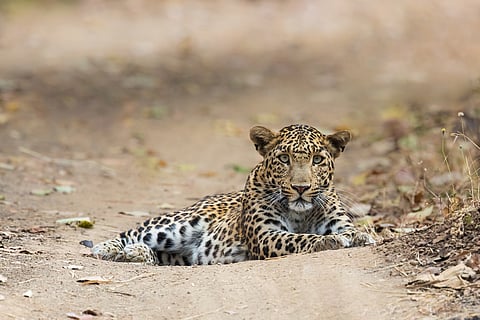
A leopard in its habitat Deposit Photos
Wild big cat attacks—by tigers, leopards and lions—have risen sharply across India’s forest edges and expanding human settlements through 2024–25, driven by habitat stress, prey decline and encroachment. Uttarakhand currently holds 48 ‘dangerous’ leopards in rescue centres after repeated intrusions and bold behaviour. Tamil Nadu’s Valparai saw a four-year-old girl killed, with the suspected leopard later trapped. Madhya Pradesh reported multiple incidents, including a leopard entering a home and injuring a child before being tranquillised. Tiger attacks continue to escalate: Maharashtra’s Chandrapur recorded its 40th fatality of 2024, while MP logged 32 tiger-related deaths in five years, prompting an INR 145-crore plan to strengthen buffer zones. In Kerala’s Wayanad, a tribal woman was killed near a forest-edge village shortly after another conflict tiger was relocated. Karnataka reported the opposite crisis, with 82 tiger deaths in five years from electrocution, poisoning, snaring and collisions. Even lions have caused casualties: in Gujarat’s Amreli district, a five-year-old boy was killed by a lioness, prompting intensive cage-and-search operations.
Advertisement
What Is Fueling The Surge In Conflict?

A tiger at the Satkosia Tiger Reserve satkosia.org
Uttarakhand’s 2014–2024 records show a stark imbalance in conflict: tigers caused 68 deaths and 83 injuries, while leopards caused 214 deaths and over 1,000 injuries, largely because leopards dominate fringe zones and rely on scavenging or hunting near settlements. In Tamil Nadu’s Valparai, the killing of a four-year-old girl pushed plantation workers to demand safe movement hours; the leopard was later captured just 700 metres from worker housing. Gujarat’s lioness attack on a young boy triggered nightly patrols, grazing-route closures and tighter livestock protection across affected hamlets.
By late 2025, it is clear that big cat conflict extends far beyond deep forests—reaching village edges, plantations, buffer zones, mining belts, riverbanks and semi-urban fringes. Habitat loss, expanding predator populations, shrinking corridors, human encroachment and altered prey patterns are driving this rise, underscoring the need for stronger land-use planning, proactive mitigation and sustained community awareness.
Advertisement
Understanding Wild Cat Behaviour: Some Dos and Don’ts
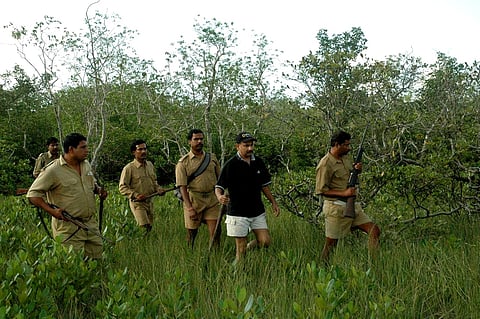
IFS Pradeep Vyas as field director, Sundarban Tiger Reserve, patrolling in the core area of the Sundarbans IFS Pradeep Vyas (special arrangement)
Speaking to Outlook Traveller, with Wildlife Conservation Day 2025 just around the corner, IFS Pradeep Vyas, widely known as “Tiger Man,” explained the basics of tourist safety by saying, “My first message to tourists is very simple: do not get down from the vehicle. As long as you remain inside, whether it is a tiger or a leopard, in almost every case, they will just look at you and walk away.” He added that big cats in safari zones are accustomed to jeeps and do not see them as a threat. “The moment you step out, they immediately recognise you as a possible disturbance, and that is when an attack can happen. For me, this is rule number one.”
On safaris
He emphasised the time of visitation. “You must ensure you are in the forest during daytime, whether early morning or evening. Avoid the night because big cats are not used to human presence after dark.” According to him, trained forest personnel understand feline behaviour and operate accordingly, unlike untrained visitors.
Advertisement
Distance, he insisted, is critical. “Keeping a safe distance is everything. If you stay far enough, neither a tiger nor a leopard will feel alarmed, and they usually won’t attack.”
When asked about night safaris, he clarified, “Night safaris are not conducted in most places.” But in areas where they exist, he said, “People remain strictly inside the vehicle, and an expert guide always accompanies them.” The real risk, according to him, comes from “enthusiastic tourists who try to get out of the vehicle, which is extremely dangerous.”
With Big Cats On The Loose
On animals wandering into villages or towns, he advised, “If a tiger or leopard strays into a residential area, you should withdraw as quickly and quietly as possible. Do nothing that can alarm the animal.” He warned that if the cat is already agitated, escape becomes difficult: “If they decide to attack, you cannot outrun them. They are far faster than humans.” But in calmer situations, he said, “Move away to a safe distance and take shelter wherever possible, inside another room or behind secure cover.”
Advertisement
Speaking on rising leopard attacks, he commented, “Leopard attacks in different regions happen for different reasons. In cities, their natural prey is simply missing. Leopards cannot survive on large animals; they depend on small deer or wild boar.” When the prey base collapses, he said, “They move into villages or urban edges for easy prey like dogs and goats.” Most encounters are accidental: “People just happen to come in front of them when the animal is hunting for easy food, and then they attack.”
He pointed out a different pattern in tea gardens. “In North Bengal, Assam and similar landscapes, leopards use trenches inside tea estates to give birth.” During this period, he said, “Mothers become extremely aggressive to protect their cubs.” His advice: “During the breeding season, avoid areas with known leopard presence unless you make enough sound for the animals to move away before you enter.”
Insights From Experiences
Advertisement
Reflecting on memorable field experiences, Vyas said, “I worked mostly in the Sundarbans and in Buxa Tiger Reserve. In Buxa, the tiger density was too low for regular conflict, but the Sundarbans were completely different.” He explained that “Sundarban tigers treat humans inside the forest as natural prey,” which is why fishermen and forest workers face danger. But these same tigers behave differently outside the forest. “When they come into villages, they are incredibly smart. They avoid harming people.” He gave a striking example: “In the last forty-five years, only one person—a girl in 2004—was killed by a tiger outside the forest. The animals have come out hundreds of times, but they quietly take a goat or a dog and return. They never disturb people, even though villagers often sleep outdoors in thatched huts.”

A Royal Bengal Tiger in the Sundarbans IFS Pradeep Vyas (special arrangement)
Recalling his own confrontations with big cats, he said, “My encounters have mostly been with calm individuals. If you maintain distance, they do not attack. They are as concerned about their safety as we are.” He added, “Most of these animals are actually afraid of humans. Only a tiger with abnormal behaviour, which is rare, or an animal that feels cornered will consider attacking.”
Advertisement
Addressing the claim that tourism alters big-cat behaviour, he explained, “This is very clear habituation in tourism zones. Tigers get used to disturbances from jeeps, boats and people.” He described how prey species have adapted as well: “Deer and other prey now prefer areas near tourist camps or villages because they know these are avoided by tigers.” Some predators take advantage of this shift. “Many tigers have learned to hunt near these gathering points of prey.” He also confirmed a major behavioural change: “Tigers no longer hesitate to hunt in front of tourists. They know that worrying about people will only reduce their chances of a kill, so they simply ignore the presence of jeeps.”
Looking Ahead
As India’s encounters with big cats grow more frequent and unpredictable, the Jaipur incident prompts that coexistence demands both preparedness and respect for the wild. Leopards, tigers and other large predators are not intruders by choice, but wanderers pushed to the edge by shrinking forests, depleted prey and expanding human footprints. The path forward lies in strengthening habitat corridors, improving rapid-response wildlife teams, and educating communities so that panic does not turn into tragedy. Until the landscape becomes safer for both humans and animals, such dramatic confrontations will remain an acute reflection of an ecological imbalance that urgently needs correction.
Advertisement
FAQs
1. Why did a leopard enter Jaipur’s Civil Lines area?
Experts say shrinking buffers, expanding urban edges and changing prey patterns around the Jhalana Reserve are driving leopards into Jaipur’s residential zones more frequently.
2. Are leopard and tiger attacks rising across India?
Yes. Data from multiple states shows a significant increase in human–wildlife encounters due to habitat loss, reduced prey, fragmented forests and expanding rural–urban boundaries.
3. Which states are reporting the highest conflict with big cats?
Major hotspots include Madhya Pradesh, Uttarakhand, Maharashtra, Tamil Nadu, Karnataka and Gujarat, all of which have reported repeated leopard and tiger incidents in 2024–2025.
4. What should people do if a big cat enters a village or city area?
Experts advise withdrawing quietly, avoiding sudden movement, staying indoors and allowing trained forest teams to handle the situation without crowding the animal.
5. What long-term steps can reduce big cat conflict?
Strengthening habitat corridors, regulating land use, improving rapid-response teams, restoring prey bases and raising community awareness are essential for sustainable coexistence.
Advertisement
Published At: