At some point in Norway, the landscape stops behaving like scenery and starts feeling like a presence. A cliff leans in too close. A mountain resembles a hunched back. A rock face looks suspiciously like it’s watching you. This is the moment when Norwegians will casually mention trolls—without irony, without explanation, as if the land itself has already filled you in.
Trolls are not mascots here. They are not Disneyfied sidekicks or Instagram-friendly curios. They belong to a darker, older imagination—one shaped by long winters, deep forests, and mountains that could swallow entire villages in shadow. For centuries, trolls have been Norway’s way of explaining what feels too large, too wild, or too unknowable. And even today, as Netflix blockbusters reignite global obsession, their roots remain firmly embedded in stone, folklore, and place.
To understand Norwegian trolls, you don’t start with stories. You start with the land.
Born Of Landscape


In Norwegian folklore, trolls are not a single species but a collective idea—shapeshifters of myth. Some are colossal mountain giants, others squat, one-eyed forest dwellers or cave-bound creatures lurking beneath the earth. What unites them is geography. Trolls live where humans struggle to: in steep mountains, dark forests, deep fjords, and inaccessible caves. Places where the terrain feels older than memory.
According to legend, trolls roam only at night. Sunlight is their undoing. Caught by dawn, they turn to stone—frozen mid-snarl, mid-step, mid-boast. This belief gave rise to one of Norway’s most enduring folk explanations: that the country’s strangest rock formations are not geological accidents, but trolls who misjudged the sunrise.
It’s an idea that makes an odd kind of sense. Stand beneath Trollveggen—the Troll Wall—in Romsdalen, Europe’s tallest vertical rock face, and logic gives way to awe. Rising nearly a thousand metres straight up, it feels less like a cliff and more like a petrified being holding its breath. Nearby, Trollstigen twists up the mountainside in eleven dramatic hairpin bends, a road so theatrical it seems designed to wake something ancient.
Norway’s folklore didn’t invent trolls out of whimsy. It responded to a landscape that demanded explanation.
Tricks, Fear, Folklore

Despite their size and menace, trolls are famously outwitted in Norwegian fairytales. They are dangerous, yes—but also slow, greedy, and easily fooled. Stories collected in the 19th century by Asbjørnsen and Moe (Norway’s answer to the Brothers Grimm) often pit trolls against clever underdogs, especially Askeladden, the youngest son who wins not through strength but cunning.
These tales were more than entertainment. They served as warnings about wandering too far into forests, trusting unfamiliar terrain, or underestimating nature’s power. Trolls embodied risk. Outsmarting them was a metaphor for surviving a harsh environment with wit intact.
Their visual identity, however—the trolls most people picture today—was shaped much later. In the late 19th and early 20th centuries, artist Theodor Kittelsen gave trolls faces: grotesque, melancholic, eerily beautiful. His illustrations fused landscape and creature so seamlessly that mountains seemed to sprout eyes, and forests grew expressions. Kittelsen didn’t just depict trolls; he made them feel inevitable.
So influential was his work that it still defines Norwegian trolls today—from museum walls to modern cinema. Even Netflix’s 2022 hit 'Troll' borrowed heavily from his visual language, reminding audiences worldwide that these creatures were never meant to be cute.
Myth Made Physical

What makes Norway unique is that its troll mythology isn’t confined to books or screens—it’s mapped onto the land itself. Trolltunga, the famous rock ledge hovering 700 metres above Lake Ringedalsvatnet, feels less like a viewpoint and more like a dare. Trollfjorden narrows so dramatically that cruise ships appear to glide through a stone corridor carved by giants. Trollkyrkja, a series of marble caves with underground rivers and waterfalls, feels like a hidden sanctuary designed for something other than humans.
Even places with a wink of humour—like Trollpikken, a phallic rock formation that made international headlines—reinforce how deeply trolls are embedded in Norway’s cultural imagination. When vandals damaged it, locals crowdfunded its restoration, as if protecting a piece of folklore rather than a rock.
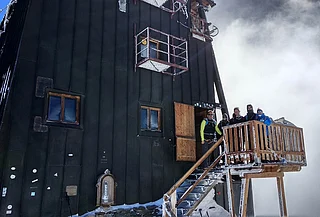
Today, trolls have evolved without losing their edge. They appear in theme parks, augmented reality museums, and even a so-called “troll research station” in Trollheimen—half playful, half deadpan, very Norwegian. The humour works because the belief never fully disappeared. It simply adapted.
And perhaps that’s why the world keeps returning to Norway’s trolls. They aren’t escapist fantasy; they are rooted in place. They remind us that landscapes shape stories, and stories shape how we move through the world. In Norway, mountains are not just climbed, fjords not merely cruised. They are encountered—with respect, curiosity, and a quiet awareness that some things are older than explanation.
So when you find yourself on a lonely road winding through mist, or staring at a cliff that looks unsettlingly alive, remember: you’re not imagining it. You’re just standing exactly where a story once needed to exist. And in Norway, stories have a way of turning to stone—and staying put.
FAQs
1. What exactly are trolls in Norwegian folklore?
Trolls are mythical beings from Nordic folklore, believed to inhabit mountains, forests and caves. Their size and nature vary, but they are usually portrayed as dangerous, nocturnal and deeply tied to the landscape.
2. Why do trolls turn to stone in sunlight?
According to legend, sunlight is fatal to trolls. Caught at dawn, they turn into stone—an idea used to explain Norway’s many troll-shaped cliffs, rocks and mountain formations.
3. Are trolls unique to Norway?
While similar creatures appear across Scandinavia, Norway’s dramatic terrain has made trolls a central and enduring figure in its folklore, art and storytelling traditions.
4. Where can travellers experience troll folklore in Norway?
Iconic locations include Trolltunga, Trollstigen, Trollveggen and Trollfjorden—natural landmarks closely linked to troll legends and Norwegian myth.
5. Why are trolls still relevant in modern Norway?
Trolls remain cultural symbols, appearing in art, literature and cinema. They reflect Norway’s relationship with nature and continue to shape how landscapes are experienced and imagined.