For those who want to fall off the map, there are hidden corners in India that offer a slower, richer travel experience. This National Tourism Day, we have compiled a guide to destinations that are far from the usual route. Have a look and bookmark.
National Tourism Day Special: 5 Offbeat Indian Destinations Away From the Crowds
This National Tourism Day, step off the beaten path and explore India’s hidden corners. From misty hill towns to secluded beaches and forest retreats, these destinations are for travellers who crave solitude, culture, and untouched landscapes

Advertisement
5 Offbeat Indian Destinations Away From Crowds
Bhandarej, Rajasthan: Stepwells And Heritage Forts
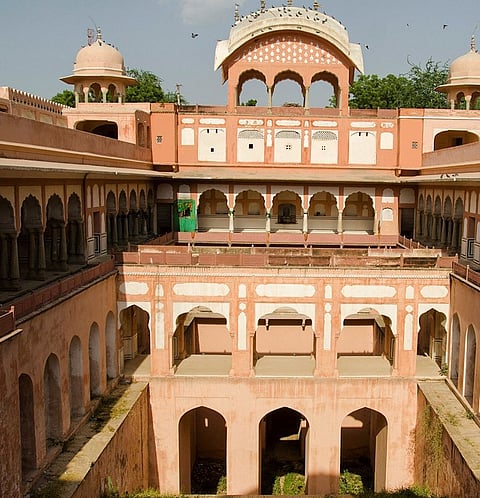
Check out the stepwells in Bhanderaj rajasthan_tourism/Instagram
Bhandarej, once known as Champavati, became Bhadrawati after a disaster left it in ruins, and eventually came to be called Bhandarej. Located 60 km from the ghost town of Bhangarh, the seven-century-old Bhandarej Fort was built by the Badgujar Rajputs and Chauhans on the Bhadrawati River. You can enter the town through four gates—Bhandan Darwaja, Khedli Darwaja, Meena Darwaja, and Bawri Darwaja. Once famed for temples, terracotta vessels, and intricate carvings, Bhandarej offers a glimpse into Rajasthan’s rich past.
Things to See and Do
You can, of course, do the usual camel safaris across the desert. But this place has so many other charms. Go on village walks to explore old areas of artisans, such as potters, ironmongers, and shoemakers. Rajasthan is famed for its stepwells. Bhandarej has the five-tiered Bara Baori and the 18th-century Bhandarej Baoli. The Bhadrawati Palace offers excellent heritage experiences.
Advertisement
Getting There
The nearest airport and railway station is Jaipur, about 1.5 hours away by road. Delhi is another option for air or rail travel. It is a 4-hour drive to this place. Travelling by car is ideal for exploring Bhandarej and nearby attractions at your own pace.
Kelshi, Maharashtra: Tranquil Beaches And Peshwa Temples
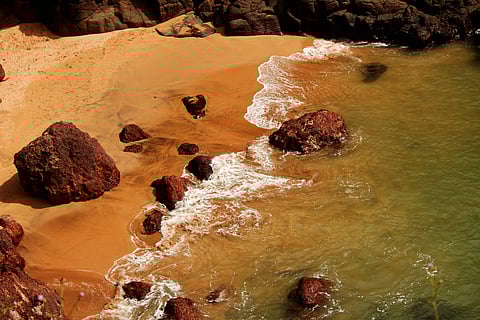
An aerial view of pristine Kelshi Beach, Maharashtra Pranitographer/Shutterstock
This lovely seaside village is one of those gorgeous coastal places that the scenic Konkan coast of Maharashtra is full of. It is perfect if you are one of those folks who have a pantheon of books to read. Just pack up and retreat to this tranquil village, and you will get through your unread books. Walk along its stunning beaches and be bowled over by the untrampled natural surroundings. Kelshi is also home to the ancient Mahalakshmi Temple which was built during the Peshwa era. Nearby, the Parshuram Temple complex and Kadyavarcha Ganpati Temple in Anjarle showcase classic Peshwa architecture.
Advertisement
Things to See and Do
Kelshi Beach is a three-kilometre stretch with Utambar Hil in the background. The setting is perfect for leisurely strolls. You can come here to see the sun dip down behind the hill. Explore the historic Harnai Port and bustling fish market. Maharashtra is known for its forts. On your Kelshi visit, check out the sea fort Suvarnadurg and land fort Kanakdurg. The Utambar Hill and sand dunes offer panoramic vistas, ideal for photography and enjoying the confluence of the river and Arabian Sea.
Getting There
Kelshi is around 30 km from Dapoli. The nearest airport is Chhatrapati Shivaji International Airport, Mumbai, while Khed Railway Station, 29 km away, serves rail travellers. Buses, cabs, or private cars provide convenient onward travel.
Basar, Arunachal Pradesh: Explore Galo Villages And Waterfalls

The lush greenery of the paddy fields in Basar @MyGovArunachal/x
Arunachal Pradesh has attracted attention for its stunning, remote places. It is also at the forefront of sustainable tourism. One off-the-map destination here is Basar. At around 578 metres above sea level, Basar is home to the Galo people and stilted bamboo homes dot the landscape.
Advertisement
Things to See and Do
Basar is made for wanderers. Hike through Nguda Pokcho forest to Hido-Hidi Waterfall, a 70-metre cascade. Dali and Sago Waterfalls offer quieter escapes. For travellers who have been to Basar, the crowning experience was simply spending time in Galo villages. The stilted bamboo homes, agricultural practices, and oral storytelling traditions offer an authentic insight into everyday life.
Getting There
Dibrugarh Airport in Assam is 150 to 180 km away. Silapathar railway station, about 95 km away, is the closest railhead. Roads pass through Likabali, with state buses and shared jeeps making their way through hills. The journey is bumpy, sometimes slow, but always scenic.
Lataguri, West Bengal: Wildlife, Tea Gardens, And Historic Forts
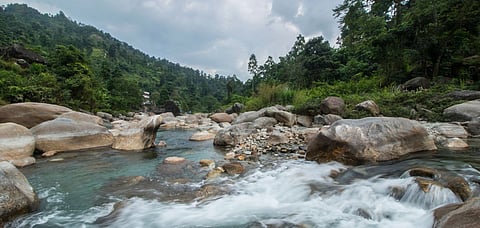
Lataguri is the perfect place for an offbeat getaway Wiki Commons
The Dooars in West Bengal is still a relatively unexplored area. In the region is Lataguri which sits just outside Gorumara National Park, surrounded by tea gardens, forests, and the Neora River. It’s close to North Bengal’s famous wildlife, including the Asiatic one-horned rhinos in Gorumara and the elephant corridors in Chapramari Wildlife Sanctuary. The old Buxa Fort, now in ruins and covered in marshes, has many a story to tell from the past - Tibetan monks once found shelter here, and later, freedom fighters used its walls for protection.
Advertisement
Things to See and Do
In Gorumara and Chapramari, you can watch rhinos resting in the mud, elephants walking together, and birds flying through the trees. At the Murti River, animals gather quietly to drink. If you drive to Jaldhaka or Bindu, you’ll see tea gardens, misty hills, and rivers that mirror the sky. The ruins of Buxa Fort are a place where you can see both history and nature come together.
Getting There
The nearest airport is Bagdogra. New Jalpaiguri railway station, about 50 km away, connects Lataguri to major cities. The roads are good, and you can find buses and taxis from Siliguri, Kolkata, and nearby towns.
Agumbe, Karnataka: Rainforest Adventures And King Cobra Habitat
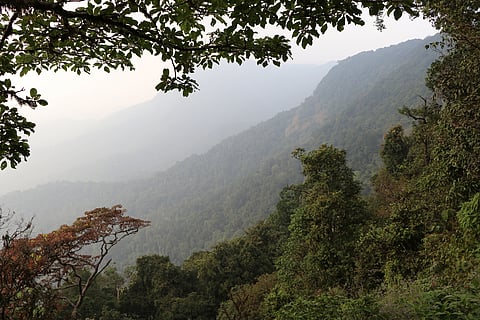
The hills of Agumbe Shutterstock
For a tropical jungle getaway, try Agumbe in the Western Ghats. It is known for some seriously heavy rainfall and dense rainforests which are hme to a significant population of King Cobras. Festivals such as Ugadi and Deepavali infuse the village with vibrant music and color. The local Malnad cuisine features spicy, earthy dishes prepared with fresh, locally sourced ingredients.
Advertisement
Things to See and Do
Check into a homestay and listen to the sounds of the rainforest. Go on treks leading to Kundadri Hill or to nearby waterfalls like Barkana Falls or Kunchikal Falls, which has a drop of 455 metres. Visit the 14th-century Sri Venugopalakrishna Swami Temple, but be prepared for the 108-step ascent to the Garbha Griha. The excellent Agumbe Rainforest Research Station provides opportunities to observe conservation efforts. Check out the sunset from the temple viewpoint and watch the sky shift to hues of pink and gold above the hills and forests.
Getting There
Agumbe is accessible by road from Udupi or Shimoga, with both buses and cabs available. The nearest railway station is located in Udupi. Mangalore Airport serves as the most convenient option for air travel.
FAQs
What is National Tourism Day?
National Tourism Day is celebrated every year on January 25 to promote awareness about tourism’s importance for India’s economy, culture, and social development.
Advertisement
Why is it significant?
The day recognises tourism’s role in supporting the economy, preserving cultural and natural heritage, and promoting the hospitality sector.
What is the purpose of National Tourism Day?
In 2026, the day serves as a reminder to explore India's diverse, eco-friendly, and community-centric destinations.
Who organises National Tourism Day?
The Ministry of Tourism, Government of India, coordinates the day nationally, often partnering with state tourism boards, local communities, NGOs, and hospitality associations.
How is National Tourism Day celebrated?
Celebrations include workshops, cultural performances, photo contests, and campaigns that promote tourism and create employment opportunities.
Published At: