India’s history is often told through grand forts, temples, and monuments, but some of its most fascinating stories lie in lesser-known corners of the country. Scattered across India are ancient settlements, burial grounds, and rock shelters that reveal how people lived, worked, worshipped, and built communities long before many of the monuments we know today. From prehistoric paintings in Madhya Pradesh to the remains of a Harappan city in Gujarat, these archaeological discoveries offer a closer look at India's past, one excavation at a time.
6 Indian Destinations Where You Can Explore Ancient Civilisations Beyond The Famous Monuments
From megalithic burial sites in Karnataka to excavated settlements in Tamil Nadu, explore six places that reveal India's ancient history

Advertisement
Prehistoric And Megalithic Landscapes
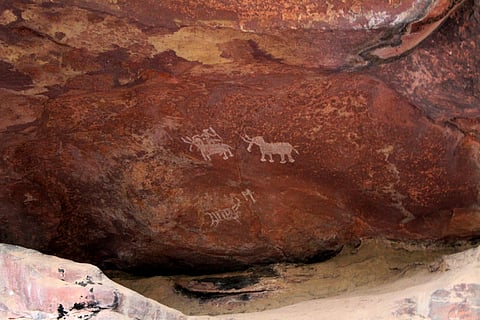
Rock Shelters Of Bhimbetka, Madhya Pradesh Wikimedia Commons
Rock Shelters Of Bhimbetka, Madhya Pradesh
Set within the Ratapani Wildlife Sanctuary, the Bhimbetka Rock Shelters are among the oldest traces of human life in the Indian subcontinent. The UNESCO World Heritage Site has more than 700 rock shelters, some bearing paintings dating back over 30,000 years. Made using red ochre and white pigments, these images depict animals, hunting scenes, dancing figures and everyday activities, offering a glimpse into the lives of early communities.
Among the shelters open to visitors, Auditorium Cave, Zoo Rock and Boar Rock are particularly interesting. Zoo Rock is covered in depictions of animals, while Boar Rock features a striking figure of a large mythical-looking animal. The natural rock formations are just as fascinating as the paintings. Bhimbetka is about 45 kilometres from Bhopal and makes for a worthwhile day trip, though walking across the rocky terrain is best done with comfortable shoes and some water.
Advertisement
Heerebenkal Megalithic Dolmens, Karnataka
Near Gangavati in Karnataka, Hire Benkal Megalithic Site is a sprawling prehistoric burial landscape set amid granite boulders. Dating largely to the Iron Age, the site is believed to have been used between 1200 BCE and 200 BCE, and is known for its stone burial chambers, circles and dolmens. Built using large granite slabs, these structures offer insight into the burial customs and beliefs of communities that lived in the region centuries ago.
Reaching the site involves walking uphill through a rocky landscape, but the setting adds to the experience. Visitors can explore stone chambers, some with circular openings, along with scattered rock art depicting animals, dancers and other figures. The site is not as developed as many popular archaeological attractions, so hiring a local guide can help make sense of the monuments. An early morning visit is also a good idea, particularly during warmer months.
Indus Valley Urban Metropolises
Advertisement

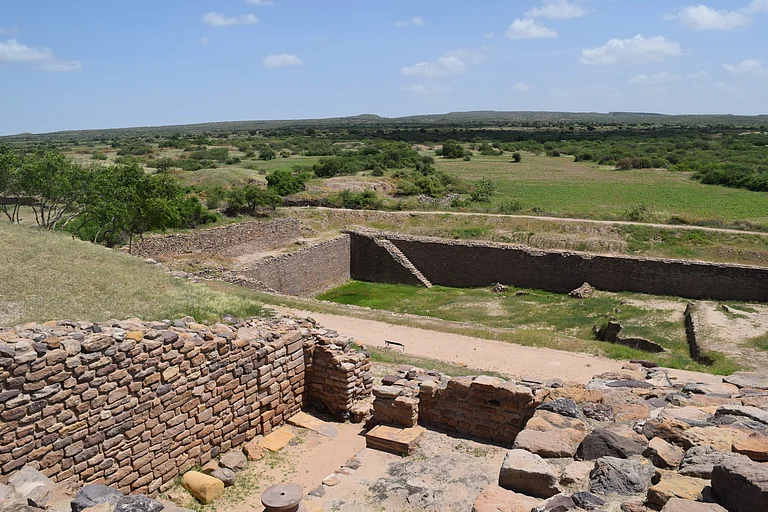
Ruins of Dholavira in Gujarat Vihang Ghalsasi/Shutterstock
Dholavira, Gujarat
Located on Khadir Bet island in the Great Rann of Kutch, Dholavira was one of the prominent cities of the Indus Valley Civilisation. The UNESCO-listed site stands out for its urban planning, stone architecture, and water management systems, which are particularly important in a region with limited rainfall. Its layout was divided into distinct sections, including a fortified citadel, middle town and lower town, reflecting a well-organised settlement.
The city's water reservoirs are among its most impressive features. Large, carefully built structures collected and stored water, revealing how residents adapted to their surroundings. Visitors can also explore the remains of a ceremonial ground and the archaeological museum, which displays artefacts from the excavations. Dholavira lies several hours by road from Bhuj, and spending a night in the region makes it easier to explore the ruins without rushing through the expansive site.
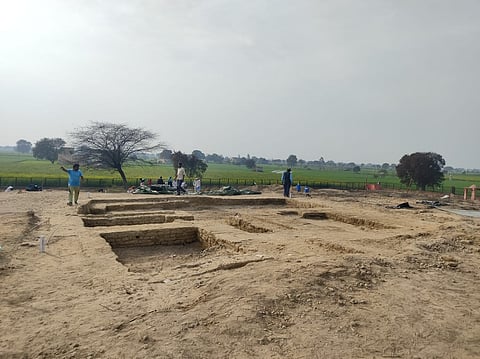
A view of the Mound 1 of Rakhigarhi's Harappan site Astitva Heritage
Rakhigarhi, Haryana
Spread across archaeological mounds in Haryana's Hisar district, Rakhigarhi is regarded as one of the largest known settlements of the Indus Valley Civilisation. Its history stretches back to the Early Harappan period, with excavations revealing evidence of habitation from around 6500 BCE. The site has helped researchers understand how early settlements evolved into organised urban centres, with residential areas, infrastructure and specialised activities.
Advertisement
Excavations have uncovered brick structures, lanes, drainage systems and other remains that hint at a carefully planned settlement. Terracotta objects, pottery, seals and other artefacts have also helped piece together the lives of its inhabitants. While the site is still developing as a visitor destination, Rakhigarhi offers an opportunity to see archaeology in progress. A heritage walk with a knowledgeable local guide or archaeologist can help explain the mounds and the discoveries made here.
Ancient River Valley And Kingdoms
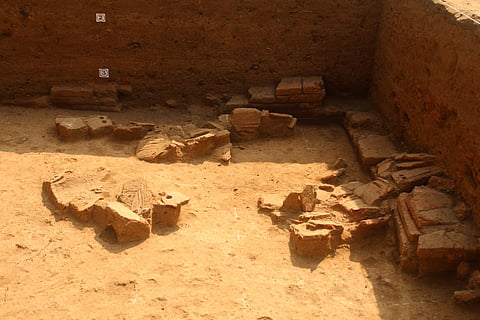
Keezhadi Archaeological Site Shutterstock
Keezhadi, Tamil Nadu
Near Madurai, along the Vaigai River, Keezhadi Archaeological Site has brought fresh attention to the history of early Tamil urban settlements. Excavations suggest that the region was home to a developed society around the sixth century BCE, with evidence of brick structures, pottery, water systems and craft activity. The findings have added to the understanding of the Tamil Sangam period and the communities that lived along the river basin.
Advertisement
A visit can include both the open-air excavation site and the Keeladi Heritage Museum, where artefacts such as pottery, ornaments, tools, and objects bearing Tamil-Brahmi inscriptions are on display. The brick structures and terracotta pipelines at the excavation site offer a sense of how the settlement functioned. Located near Madurai, Keezhadi is relatively easy to reach by road and is best explored in the morning, particularly during the cooler months.
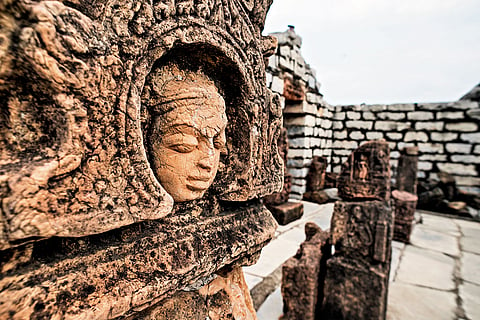
Stone sculptures at Surang Tila, Sirpur, Chhattisgarh Shutterstock
Sirpur, Chhattisgarh
Set along the Mahanadi River, Sirpur was once an important centre of the Dakshina Kosala kingdom. Its archaeological remains date largely between the fifth and twelfth centuries CE, revealing a settlement where Hindu, Buddhist and Jain traditions flourished. The site is also associated with the Chinese traveller Xuanzang, who is believed to have visited the region during the seventh century.
Sirpur's excavated landscape includes temples, monasteries and other structures, making it an interesting place to explore beyond the usual temple circuit. The Lakshmana Temple, built in brick and known for its detailed architectural work, is among its best-known monuments. Visitors can also explore Buddhist viharas such as Teevardev and Anand Prabhu Kudi, as well as scattered archaeological remains. Sirpur is about 75 kilometres from Raipur and is best explored at a leisurely pace, given the distance between its monuments.
Advertisement
FAQs
1. What are some lesser-known archaeological sites in India?
Bhimbetka, Hire Benkal, Dholavira, Rakhigarhi, Keezhadi and Sirpur are archaeological sites where visitors can explore prehistoric rock art, ancient settlements, burial structures and the remains of early civilisations.
2. Which is the oldest archaeological site in India?
India has several prehistoric archaeological sites that preserve evidence of early human activity. Bhimbetka in Madhya Pradesh is particularly significant for its rock shelters and paintings, some of which date back tens of thousands of years.
3. Where can you explore the Indus Valley Civilisation in India?
Dholavira in Gujarat and Rakhigarhi in Haryana are two important archaeological sites associated with the Indus Valley Civilisation. Both offer insight into urban planning, settlement patterns and the material culture of Harappan communities.
4. Where can you see prehistoric rock paintings in India?
Bhimbetka in Madhya Pradesh is among India's best-known sites for prehistoric rock paintings. Its rock shelters feature depictions of animals, human figures, hunting scenes and other activities.
Advertisement
5. What is Keezhadi famous for?
Keezhadi, near Madurai in Tamil Nadu, is known for archaeological excavations that have revealed evidence of early Tamil settlement, including brick structures, pottery, drainage systems and Tamil-Brahmi inscriptions on artefacts.
Published At: