The best way to experience a city is often the simplest: put away the map, lace up your shoes and start walking. From historic quarters and riverside promenades to bustling markets and waterfronts, some destinations make it particularly easy to see their highlights on foot. A new Skyscanner index has now ranked the world’s most walkable up-and-coming cities for 2026, with European destinations dominating the list.
World’s Most Walkable Cities For 2026 Revealed, Córdoba In Spain Takes The Top Spot
From Córdoba and Sarajevo to Nagasaki and Victoria, these are the world’s most walkable up-and-coming cities for 2026

Advertisement
Córdoba in Spain takes the top spot, while Japan follows closely with Nagasaki and Hiroshima in second and third place. Seven of the 10 cities featured in the ranking are in Europe, alongside two Japanese cities and Victoria in Canada. The index focuses on destinations that are less obvious choices for a city break, steering away from better-known options such as Berlin and Dubrovnik.
How Walkability Was Measured
Skyscanner assessed the cities using 14 factors linked to how convenient and enjoyable they are to explore on foot. These included the distance between major attractions, the number of walking trails, population density, average elevation, air quality, crime levels, and safety.
The index also considered the time and number of steps needed to walk between key attractions, offering a practical measure of how much of a city visitors can cover without relying on taxis or public transport. The result is a list that combines compact urban centres with destinations that offer extensive trails and pedestrian-friendly surroundings.
Advertisement
Córdoba leads the ranking, with its major attractions reachable within around 26 minutes on foot. The Andalusian city also has 29 walking trails, giving visitors plenty of scope to explore beyond its most famous landmarks. Its historic centre, including the Mosque-Cathedral, the Jewish Quarter, the Alcázar de los Reyes Cristianos and Palacio de Viana, makes it particularly suited to a walking-focused itinerary.
Japan Makes Strong Showing
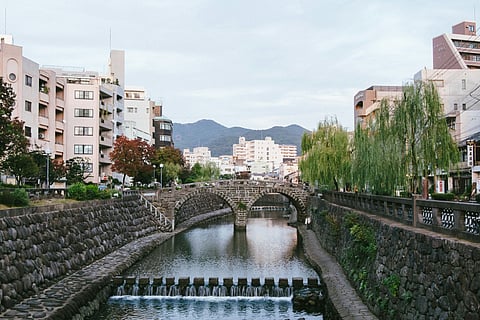
Nagasaki is one of the only two Asian cities to make the top 10 walkability ranking Unsplash
Nagasaki ranks second and stands out for its low crime rate among the destinations assessed. With an average elevation of 89 metres, the city is also relatively manageable to explore on foot. Its historic streets and important sites, including Nagasaki Peace Park, add to its appeal for travellers who prefer discovering a destination at a slower pace.
Hiroshima takes third place, with the major attractions taking around 41 minutes to walk between. The city also scores highly for safety, making it a comfortable option for solo walkers. From the Peace Memorial Park to its other historic and cultural landmarks, many of Hiroshima’s key experiences can be incorporated into a walking itinerary.
Advertisement
Italy has two entries in the top 10. Reggio Calabria ranks fourth, with its main attractions reachable in around 25 minutes or approximately 2,321 steps. Set along the Strait of Messina, the southern Italian city combines a waterfront setting with beaches and views towards Mount Etna. Visitors can walk between sights such as the Rabarama sculptures along Via Marina and the Museo Nazionale della Magna Grecia.
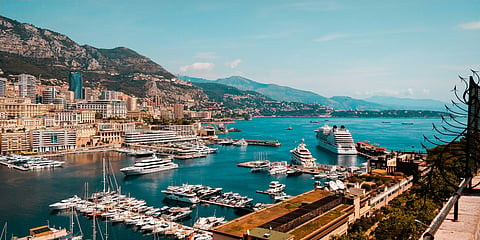
With its compact city limits, Monte Carlo’s major attractions can be explored on foot in around 36 minutes Unsplash
Monte Carlo is fifth, despite its reputation for luxury cars and yachts rather than walking. The city’s small footprint, with limits covering less than one square kilometre, makes its major attractions easy to reach on foot. The route takes around 36 minutes, although its steep hills can make the experience more demanding.
Europe Dominates The List
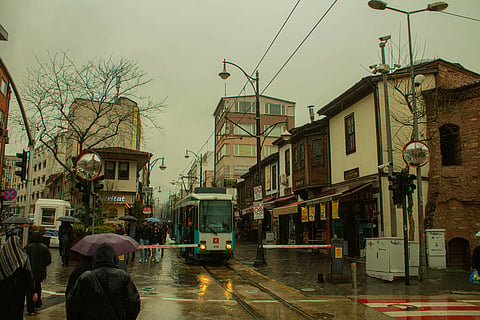
A street in Bursa, Türkiye Unsplash
Tartu in Estonia takes sixth place. The city covers 39 square kilometres and has an average elevation of 53 metres. Its historic centre, wooden-house neighbourhoods, parks, riverside paths and street art make it an appealing alternative to Estonia’s better-known destinations. It also recorded the lowest air pollution among the cities included in the study.
Advertisement
Bursa in Türkiye ranks seventh and offers a different kind of walking experience, combining Ottoman heritage with bazaars, religious landmarks, and natural attractions. Once the first Ottoman capital, the city is home to Bursa Grand Mosque, Kozahan İpekçiler Bazaar, and the Tomb of Osman Gazi. Walking between its main attractions takes about an hour.
Bolzano, the gateway to Italy’s Dolomites, comes eighth. Surrounded by vineyards and mountains, the South Tyrolean city has around 505 walking trails and was identified as the safest destination in the ranking. Piazza Walther, Via dei Portici, and the South Tyrol Archaeological Museum are among its key attractions.
Sarajevo ranks ninth, with its compact centre taking no more than about 22 minutes to cover between major sights. The Bosnian capital combines historic architecture, the Miljacka River, and the surrounding Dinaric Alps. Its walking routes also take visitors through places such as Baščaršija, Latin Bridge, and Sarajevo City Hall.
Advertisement
Rounding off the list is Victoria in British Columbia, Canada. The city recorded the highest air quality among the destinations ranked and has 457 walking trails. Its inclusion means that while Europe dominates the 2026 index, walkable city breaks are not limited to the continent.
For travellers looking beyond the usual city-break favourites, the ranking offers a useful reminder that some of the most rewarding urban experiences can come with little more than a comfortable pair of shoes.
FAQs
1. What is the world’s most walkable city for 2026?
Córdoba in Spain has been ranked the world’s most walkable city for 2026.
2. Which countries dominate the 2026 walkability ranking?
European countries dominate the ranking, with seven cities featuring in the top 10.
3. Which Japanese cities are among the world’s most walkable?
Nagasaki ranks second and Hiroshima ranks third in the 2026 list.
4. How were the most walkable cities ranked?
Skyscanner assessed 14 factors, including walking distances, trails, elevation, air quality and safety.
Advertisement
5. Which city has the most walking trails on the list?
Bolzano in Italy has 505 walking trails, while Córdoba has 29.
Published At: