


An extensive renovation carried out by the Archaeological Survey of India (ASI) has led to the historic Barapullah Bridge in Delhi being set to reopen in February 2026. Given its approximately 400 years of history, it is of great importance to both locals and visiting tourists and has been seen as an excellent venue for walking.
Built in the early part of the 1620s while Emperor Jahangir was on the throne, the Barapullah Bridge was constructed under Mihr Banu Agha's supervision. It is believed that the name “Barapullah” could have been derived from its twelve supporting piers, which were used to support eleven arches that lined the bridge. The architecture and engineering employed in the construction of the Barapullah Bridge are great examples of Mughal architecture and engineering.
When first constructed, the Barapullah Bridge spanned a tributary of the Yamuna River, connecting many of the most significant places in the surrounding area, including both Agra and Delhi. It is located near Humayun’s Tomb as well as the Nizamuddin Dargah, among others. Due to encroachments and the proliferation of makeshift marketplaces that have grown up around the intersection of the Barapullah and the adjoining Madrasi Camp areas, the Barapullah Bridge has become an abandoned symbol of New Delhi’s rich history. A bridge corridor was utilised as a dumping area for debris and trash from adjacent cities. This, in turn, weakened the integrity of the original stonework, making it dangerous to walk on. The bricks used in this heritage site were covered by illegal street vendors, as well as layers of commercial and household waste such as dry plaster and old layers of bitumen (tar).
The Restoration Work Underway
The Archaeological Survey of India, together with several civic partners, launched an extensive restoration programme for the Barapullah Bridge in association with the Lieutenant Governor’s Office. The plan to clean up this heritage site included removing more than 120 illegal vendors, encroachments from the bridge’s right-of-way (sidewalk and bike path), cleaning up the debris beneath the bridge, and restoring the masonry using high-quality materials such as ashlar stones, limestone, and sand. The Delhi Muni has worked in conjunction with this programme to enhance the visual appeal of the bridge, improve its ability to provide access to the public, and landscape and clean up the surrounding area. The restored Barapullah Bridge is now secured by steel gates and fencing at both ends.
In February 2026, the reopened Barapullah Bridge will be open to the public as a pedestrian-only bridge. As a result of the need to protect the structural integrity and heritage of the bridge, all vehicles will be prohibited from using the bridge. There is a focus on providing pedestrian access to the bridge, as it will give an opportunity to people to appreciate Mughal architecture in an educational context while also maintaining the bridge for future generations.

Rules For Visitors After Reopening
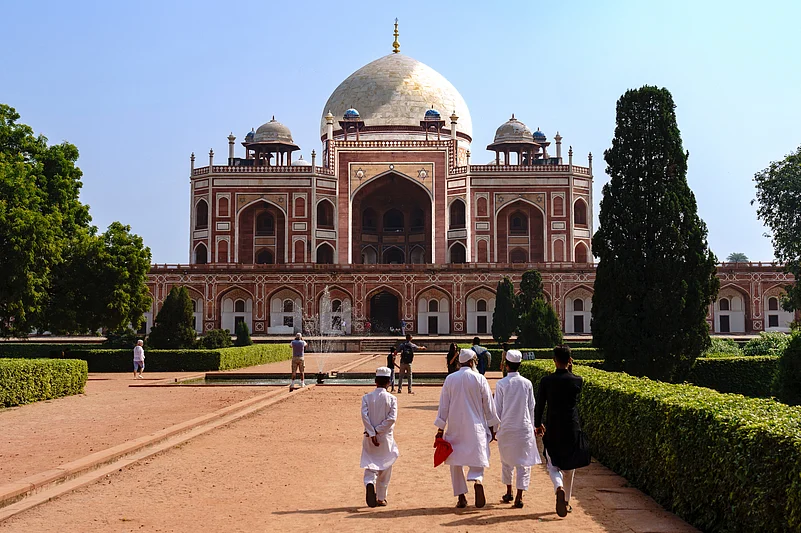
All visitors to this heritage site are encouraged to read the posted guidelines for the site, not climb on or sit on any of the ornamental features of the bridge, and respect all barriers and protective devices installed by the Archaeological Survey of India (ASI). These protective devices are important for preserving the integrity of this significant historical structure while also ensuring that it remains accessible and safe for all visitors.
(With inputs from various sources.)
FAQs
Where is the Barapullah Bridge located in Delhi?
The Barapullah Bridge is located near Humayun’s Tomb and the Nizamuddin area in central Delhi, close to important Mughal-era landmarks.When will the Barapullah Bridge reopen to the public?
The bridge is scheduled to reopen in February 2026 after extensive conservation and restoration work by the Archaeological Survey of India.Will vehicles be allowed on the Barapullah Bridge after reopening?
No, the bridge will be open only to pedestrians to preserve its structural integrity and historical character.Who carried out the restoration of the Barapullah Bridge?
The restoration was led by the Archaeological Survey of India in coordination with civic authorities and the Lieutenant Governor’s Office.Why is the Barapullah Bridge historically significant?
Built during Emperor Jahangir’s reign in the early 17th century, the bridge is an important example of Mughal engineering and once connected key routes between Delhi and Agra.