The modern holiday comes with an invisible itinerary. Visit the viral café. Book the photogenic stay. Wake up before sunrise for that viewpoint. Film the transition reel. Post before the algorithm loses interest.
Somewhere between checking into hotels and checking Instagram, travel has quietly become another performance. Instead of returning home rested, many young travellers are coming back exhausted, carrying not just souvenirs but hundreds of gigabytes of footage, unfinished edits, and the lingering feeling that they somehow didn't do enough.
Social media has undeniably transformed travel for the better. Hidden destinations have found global audiences, local businesses have flourished and planning a trip has never been easier. But it has also introduced a new kind of pressure, one where holidays are increasingly measured by how well they can be documented rather than how deeply they are experienced.
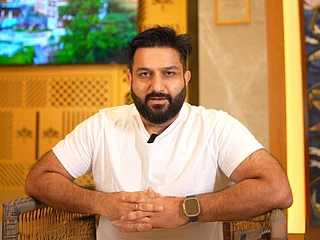
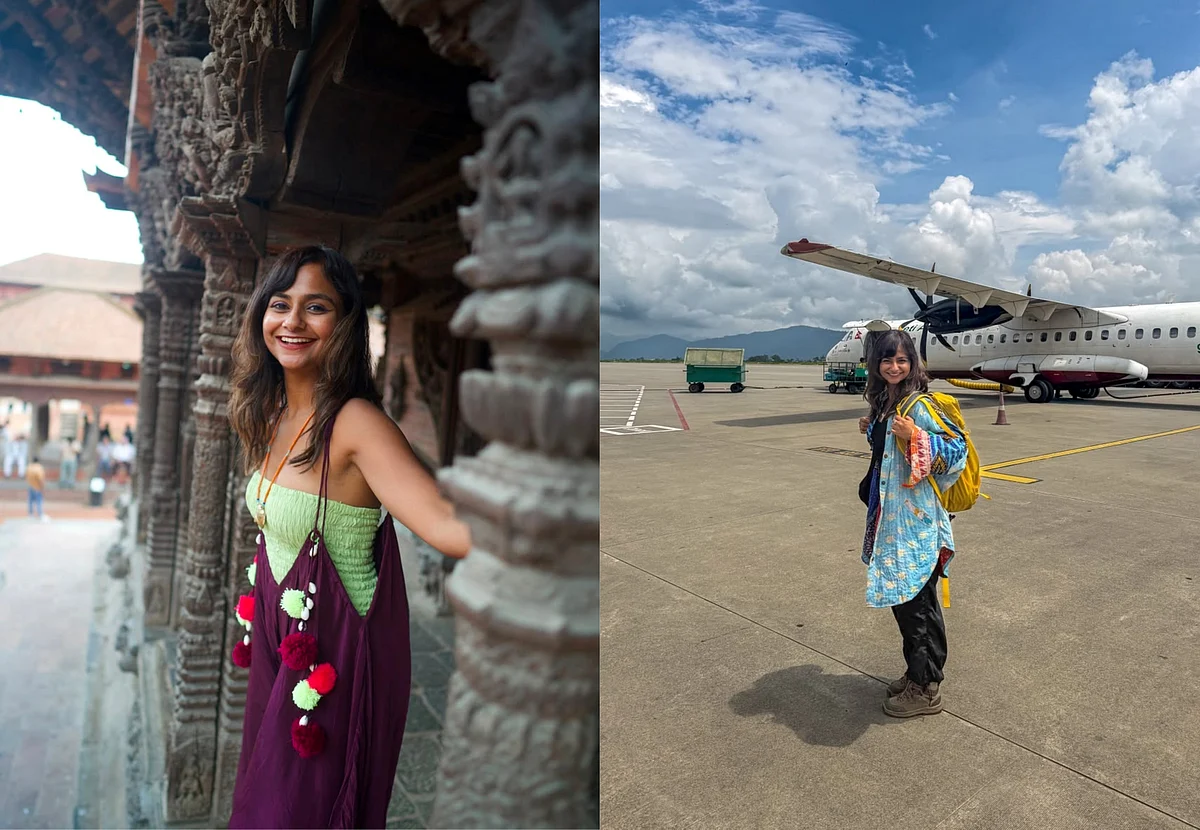
For travel creators, whose work depends on capturing destinations, this conflict is part of everyday life. Yet conversations with travel creators Sharanya Iyer (@trulynomadly), Tamanna (@traveldossier), and Rohit Singh (@rohitsinghaa) reveal an unexpected consensus. The people making travel content for a living are also the ones urging travellers to put their phones away.
When Holidays Begin To Feel Like Deadlines
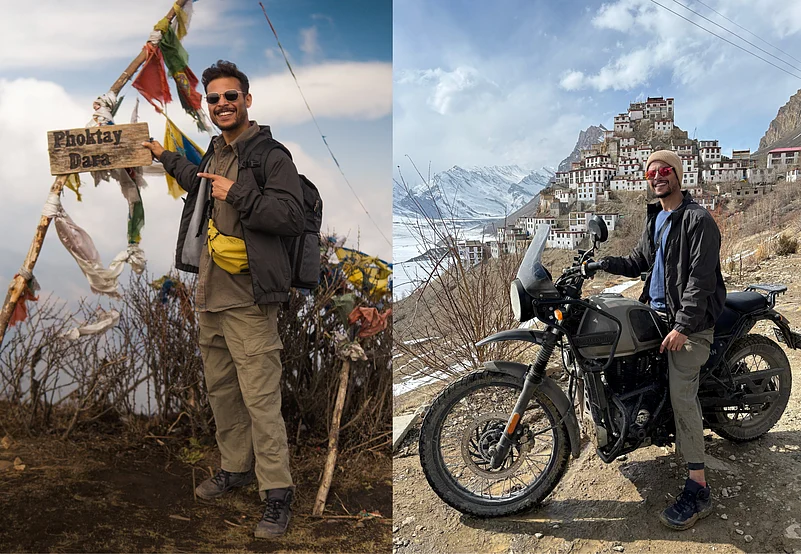

The polished reel that appears on Instagram in under a minute often hides hours of work. There are early morning wake-up calls, changing weather conditions, long drives between locations, multiple takes, editing on trains and flights, and the constant pressure of meeting brand commitments." People think travelling is always relaxing, but creating content while travelling is a full-time job," says Rohit Singh. "There are days filled with early mornings, long drives, shooting, editing and deadlines."
But burnout doesn't look the same for everyone.
For Sharanya Iyer, it often arrives as a difficult choice between preserving a memory and actually living it. A traveller long before she became a creator, she admits that when the two collide, experience usually wins. "I've been a traveller first and then a creator later," she says. "When that stress point arrives, I'd rather just not document it. It's okay. I don't need another video on this."
Tamanna believes burnout starts even before the camera comes out. Travel itself demands constant decision-making, from navigating unfamiliar streets to figuring out transport and adapting to new environments. Social media simply adds another layer. "Travel becomes surprisingly exhausting when every day is packed with activities, documentation, editing, posting and trying to stay relevant online," she explains. "The focus shifts from experiencing the place to producing content from it." Perhaps that's why so many people now joke that they need a vacation after their vacation.
The Rise Of The Algorithm Itinerary
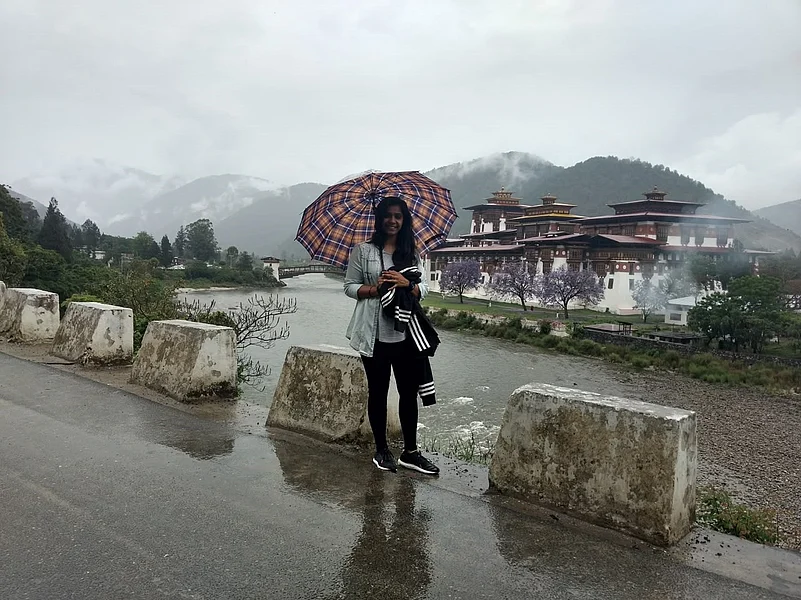
Before Instagram, guidebooks and word of mouth largely shaped travel plans. Today, a single viral reel can send thousands of people to the same hidden beach, café or mountain viewpoint within weeks. The result is a generation planning holidays around what performs well online.
Tamanna has seen this shift firsthand. "Many travellers now build itineraries around what is trending rather than what genuinely interests them," she says. "Sometimes people arrive with a checklist of Instagram spots but leave without really engaging with the destination." Rohit agrees that the trend has become impossible to ignore. "Social media has made travel more accessible, which is a good thing, but I also see many people travelling just to recreate viral photos. The best trips happen when you travel for yourself, not for the algorithm." The irony, however, is that the internet rarely tells the full story.
Sharanya remembers visiting Egypt's Luxor Temple twice. The first visit, surrounded by crowds, left little impression. Years later, she returned at sunrise, when only three people entered the temple. The silence transformed the experience completely. "It was the same place," she recalls, "but it felt entirely different." The moment reinforced something social media often overlooks. Travel is deeply personal. Weather, timing, crowds and even your own state of mind can completely change how a destination feels.
Are We Seeing Places, Or Just Photographing Them?
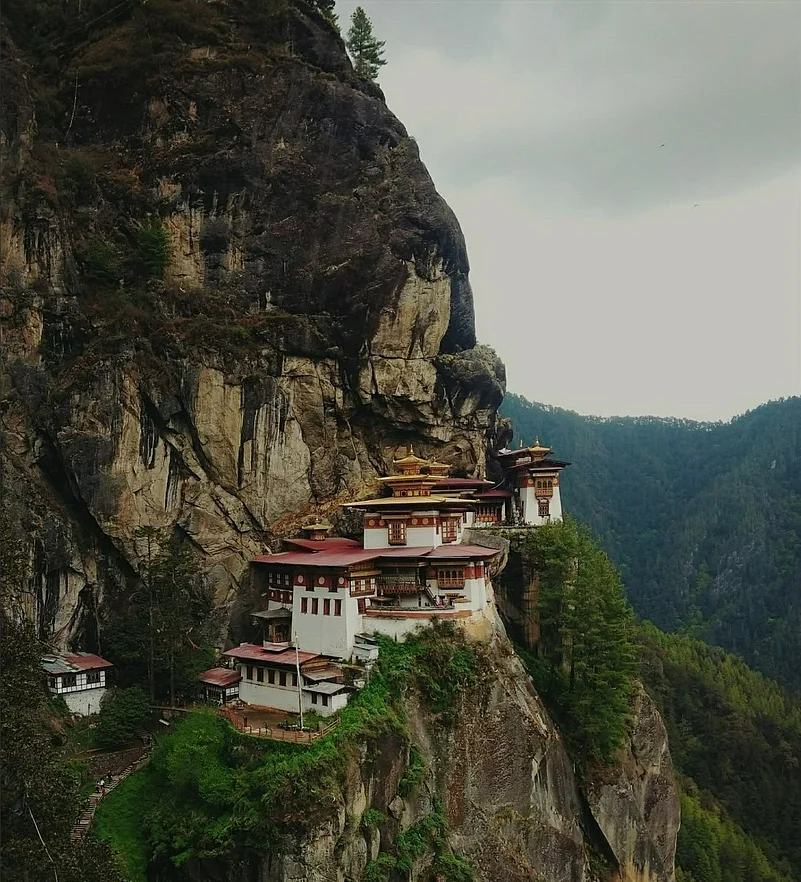
The biggest casualty of social media may not be originality. It may be the presence.
Travel has always involved storytelling, but today's stories are increasingly created in real time, often before travellers have had the chance to process the experience itself. Tamanna believes many people now travel with an invisible audience in mind. The problem isn't taking photographs or recording videos. It's when documenting the trip becomes more important than living it.
Sharanya describes this disconnect through a surprisingly familiar situation. Imagine spending an incredible afternoon swimming beneath a waterfall with friends. The weather is grey, the lighting is poor and the photos don't turn out well. On paper, it was a perfect day. Yet many travellers return disappointed. "You have to ask yourself what you're truly upset about," she says. "Was the day bad, or was it just that your pictures didn't turn out good?" It's a question that extends far beyond travel. Increasingly, our memories are judged not by how they felt, but by how they looked online.
The Moments That Never Become Content
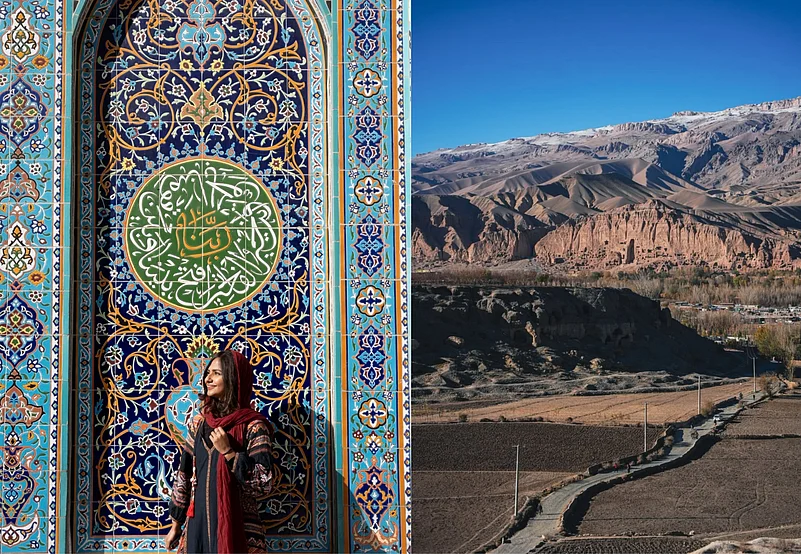
For Sharanya, some experiences simply refuse to fit inside a frame. While visiting Afghanistan's Bamiyan Valley, where the monumental Buddhas once stood before their destruction in 2001, she took only a handful of photographs across two days. Standing there at sunrise and sunset felt too significant to interrupt with constant filming. "I know it's going to stay with me for life," she says. The memory, she realised, didn't need hundreds of clips to survive. That sentiment echoes beyond creators.
Some of the most meaningful moments while travelling are often conversations with strangers, unexpected detours, quiet train rides or afternoons with no agenda at all. They rarely become viral posts, but they are often the memories people carry home.
Slowing Down May Be The New Luxury
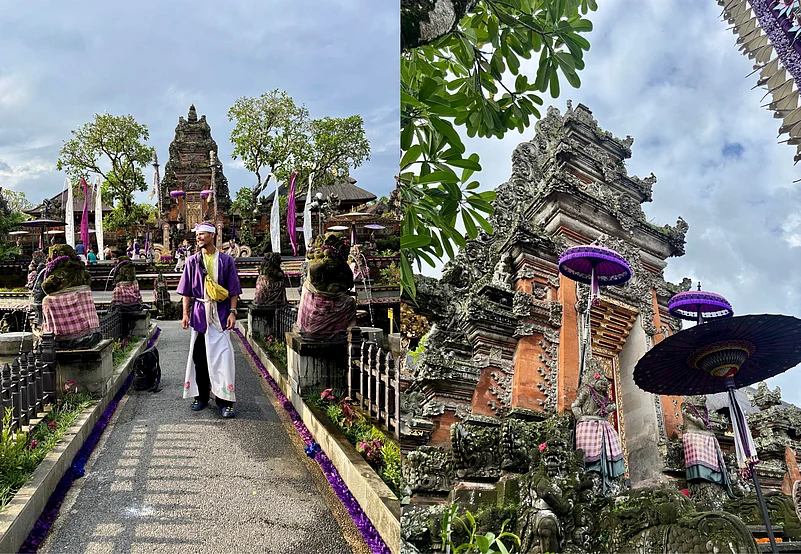
The pressure to optimise every holiday has quietly convinced travellers that every minute must be productive. Every attraction must be visited. Every meal photographed. Every sunset recorded.
The three creators disagree.
Tamanna argues that travel shouldn't become a race to consume destinations. The most memorable journeys, she believes, come from choosing depth over quantity, lingering in neighbourhood cafés, speaking with locals, getting lost in unfamiliar streets and allowing places to reveal themselves naturally instead of rushing from one viral location to the next. Rohit has arrived at a similar conclusion through experience. "I've learnt that quality always matters more than quantity," he says. Sharanya perhaps captures the philosophy most simply. "In between the camera and the travel, I would always choose travel. Choose the moment over the lens."
It is an interesting paradox. The people whose careers depend on creating travel content are also the ones reminding everyone else to create fewer posts and more memories. Perhaps that is the lesson young travellers need most. Not every beautiful moment needs to become content. Not every destination needs to become a checklist. And not every holiday needs proof that it happened.
Sometimes the best souvenir is simply returning home feeling like you were truly there.
FAQs
1. What is travel burnout?
Travel burnout is the feeling of physical and mental exhaustion that comes from overplanning, constant movement and the pressure to document every moment instead of enjoying the journey.
2. How is Instagram contributing to travel burnout?
By encouraging travellers to chase viral locations, create constant content and compare their trips with others, social media can make holidays feel more like work than a break.
3. How can travellers enjoy a destination without feeling pressured to post?
Set aside dedicated time for photos, then put your phone away and spend the rest of the trip exploring, talking to locals and being present in the moment.
4. Do travel creators experience travel burnout too?
Yes. As creators Rohit Singh, Sharanya Iyer and Tamanna point out, shooting, editing, meeting deadlines and balancing brand commitments often make travel as demanding as any full-time job.
5. What's the best way to avoid travel burnout?
Slow down, build flexibility into your itinerary, prioritise meaningful experiences over viral checklists and remember that not every memorable moment needs to be shared online.