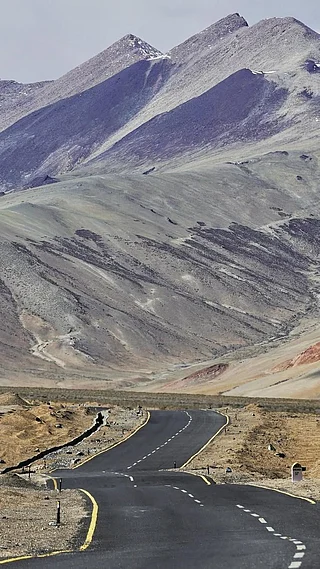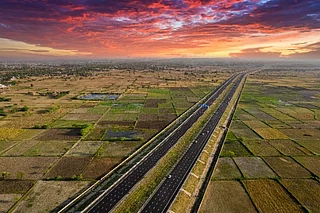


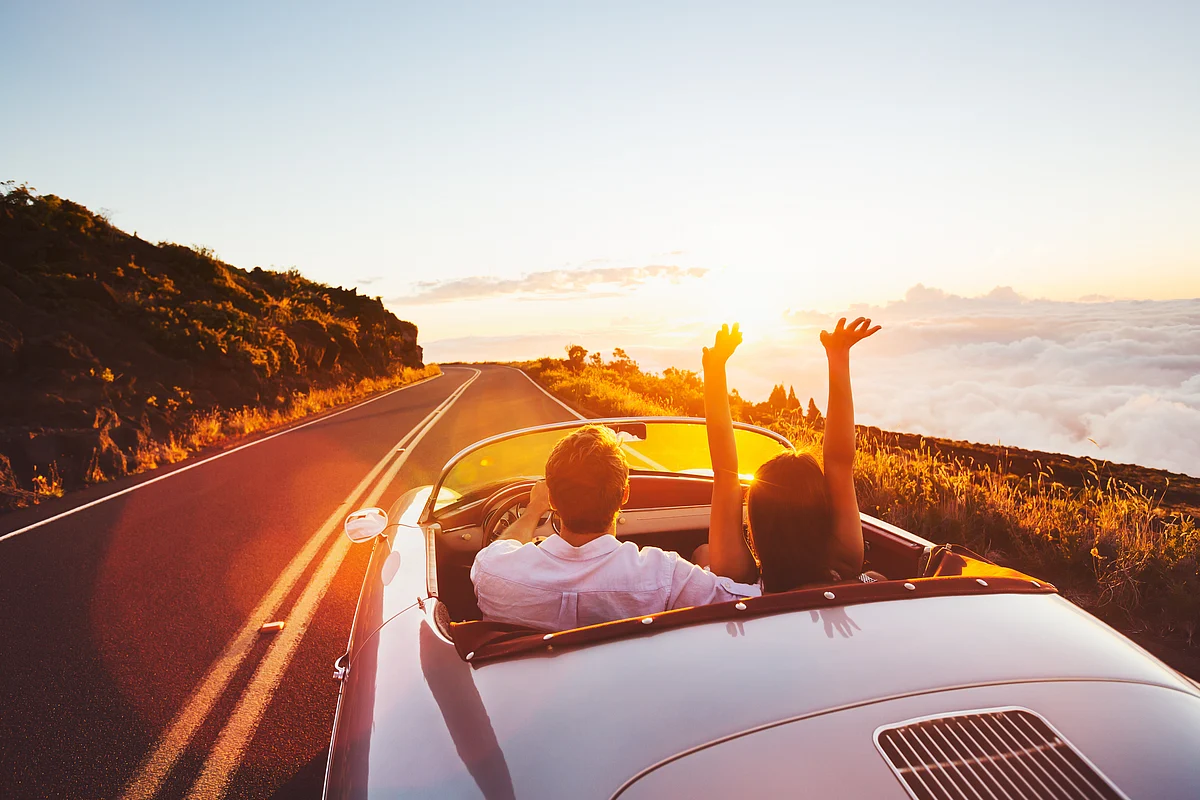
A road trip can become a powerful form of therapy in motion, pulling people out of daily routines and breaking the mental ruts that often feed burnout. The steady movement through changing landscapes, combined with a sense of autonomy and uninterrupted time for self-reflection, can ease stress, quieten anxiety and bring a rare sense of mental clarity.
The Psychology of the Open Road
What makes road trips uniquely restorative is the way they engage both the mind and body at once. Unlike a conventional holiday built around packed itineraries and fixed schedules, life on the road creates space for stillness, reflection and mental reset.
Contemplation in motion: Long hours behind the wheel — or even quietly watching changing landscapes drift past the window — encourage a kind of subconscious processing that rarely happens in everyday life. Thoughts begin to settle and untangle naturally, away from the urgency and noise of routine.
"For most Indians today, a road trip isn’t just a holiday — it’s exhaling," says Abhishek Chandrashekar, co-founder and CEO of Royal Brothers. "We live in cities that move at a blind, relentless pace, and somewhere in that noise, people have stopped hearing themselves think. What I see with our customers, and what I’ve felt myself, is that the moment you’re on a bike — just you and the machine, moving as one — there’s this rare sense of aloofness. Your space. Nobody can reach the version of you that exists on that road."
Breaking the autopilot cycle: Travelling through unfamiliar places pushes the brain out of repetitive patterns. Navigating new roads, cultures, and environments stimulates neuroplasticity, helping sharpen memory, improve focus, and restore cognitive flexibility.
Lower stress levels: Stepping away from overstimulating urban environments can significantly reduce stress and cortisol levels. Fresh air, sunlight and open spaces have a grounding effect on the nervous system, creating a sense of calm that many people struggle to find in city life.
Mindfulness and autonomy: There is also a quiet freedom in deciding your own pace — choosing when to stop, where to turn and how long to stay. That sense of control encourages people to live more fully in the present moment, without the rigid structure of daily schedules.
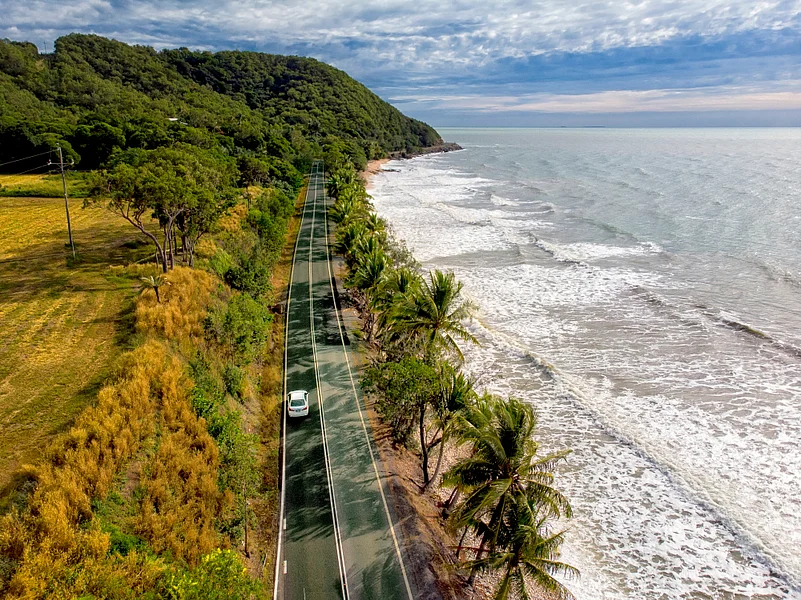

The Rise of the Road Trip
India’s travel culture is undergoing a noticeable shift, and Gen Z is at the centre of it. According to reports, young travellers now account for nearly a third of all road trips in the country, reshaping the idea of leisure travel from carefully planned annual holidays to spontaneous, self-driven escapes. Increasingly, the appeal lies not in reaching a destination quickly, but in the freedom and flexibility of the journey itself.
"What we’re noticing is that this is becoming a regular practice — people scheduling rides the way they’d schedule a gym session, crossing state borders, and pushing into terrains they’ve never seen before," says Chandrashekhar. "The infrastructure is catching up, a community is forming, and the boundaries are quite literally disappearing. Road tripping in India is no longer a niche hobby. For a growing number of people, it’s become a coping mechanism."
Several trends are fuelling this growing appetite for life on the road:
Short weekend escapes: Many road trips now last under two days, signalling a preference for quick breaks over extended holidays.
Solo and small-group travel: Traditional family tours are giving way to more independent travel styles. Around 22 per cent of Gen Z travellers now prefer solo trips, while many others travel with partners or close friends.
Comfort-first driving: SUV bookings have risen sharply as travellers prioritise spacious, comfortable vehicles suited for long drives and unpredictable terrain.
The workation effect: Remote work culture has also extended the road trip economy, with journeys lasting over a week seeing significant growth as travellers blend work with leisure.
What was once considered an occasional escape is steadily becoming a lifestyle choice. For a generation navigating burnout, digital fatigue and relentless urban routines, the road offers something increasingly valuable — the freedom to disconnect without completely stepping away from life.

Tips For Intentional Road Trip Therapy
India faces some of the highest workplace burnout rates globally. Driven by grinding work cultures, socioeconomic pressure, and "always-on" digital connectivity, professionals are turning to spontaneous travel and road trip therapy as a primary coping mechanism to detach, disrupt routine monotony, and recover.
To turn a road trip into something closer to a genuine mental reset rather than just another packed itinerary, many travellers are now leaning towards what is often described as “radical rest” — travel that allows space rather than filling it.
Keep it loose: Resist the urge to plan every hour. Shorter driving stretches can help ensure you arrive without feeling drained, with enough time and energy to actually unwind once you reach your stop.
Digital detox: It helps to step back from the constant pull of work messages and social media. Even partial disconnection can make the journey feel noticeably lighter.
Choose comfort over constant movement: Instead of rushing between sightseeing spots, slower destinations often work better — places where the point is less about ticking off landmarks and more about simply being still for a while.
FAQs
Why are road trips considered therapeutic?
Road trips help reduce stress by breaking daily routines, encouraging mindfulness and creating space for reflection.
Why are more Indians choosing road trips?
Flexible work culture, burnout and a growing preference for short getaways are driving the rise in road travel.
Why does Gen Z prefer road trips?
Gen Z travellers value freedom, spontaneity and personalised experiences over traditional holiday packages.
Are short road trips becoming more popular in India?
Yes, weekend road trips and two-day getaways are seeing significant growth among young travellers.
Can travelling improve mental well-being?
Travel can help lower stress, improve mood and provide mental clarity by offering a break from everyday pressures.