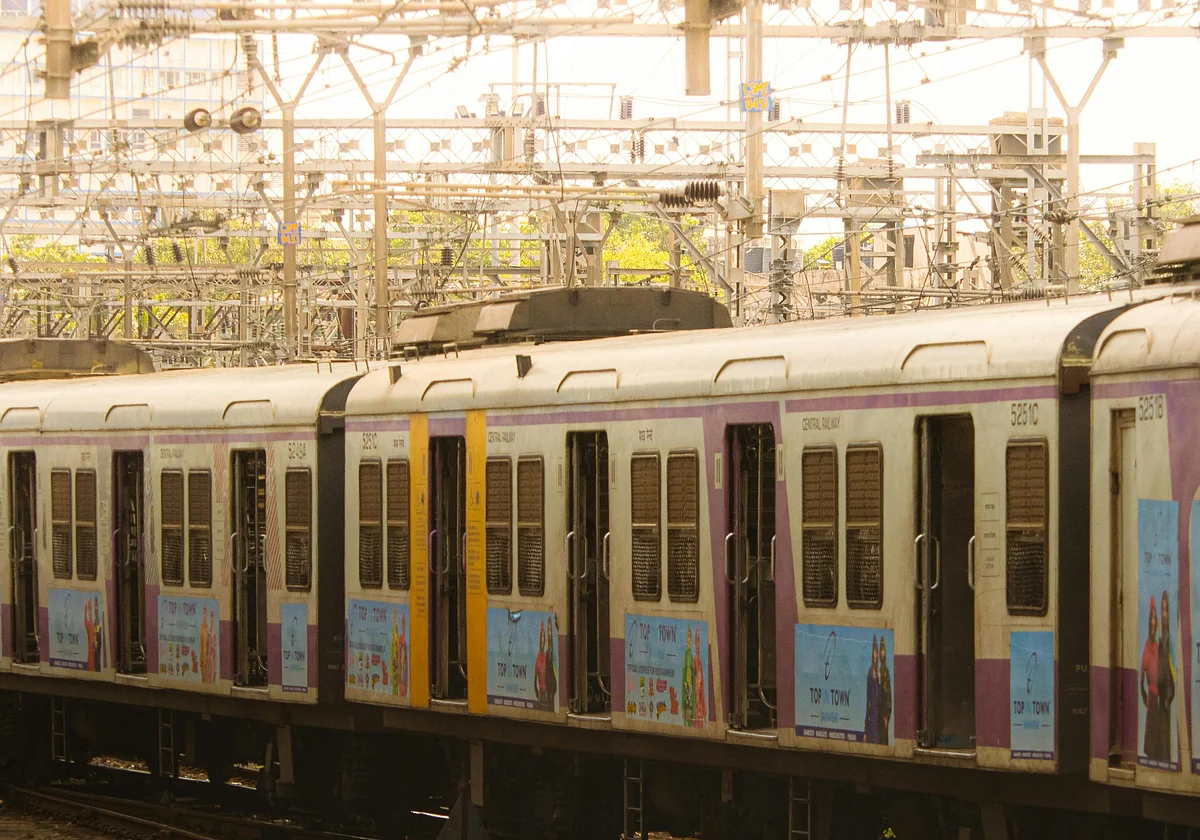
Mumbai’s suburban railway network is often described as the city’s lifeline—millions depend on it every single day. Yet beneath the constant rush of trains and commuters lies an infrastructure story that stretches back more than a century. Over one long weekend in March, Western Railway quietly turned a page in that story, replacing a bridge span that had stood for nearly 129 years near Kandivali. The carefully executed operation not only modernised a crucial section of the network but also closed a remarkable chapter of colonial-era railway engineering that had endured floods, rising commuter pressure, and the evolution of Mumbai itself.
Forged in 1897, the ageing span had served generations of commuters on the Mumbai suburban system. Built during a time when the city was grappling with a devastating plague outbreak, the structure had survived both historical upheavals and the relentless expansion of the railway network. Fabricated by the same company that worked on the iconic Jubilee Bridge across the Hooghly River in West Bengal—constructed in 1885 to commemorate Queen Victoria’s Golden Jubilee—the Kandivali span represented a rare surviving piece of early railway engineering.
Engineering Overhaul
The replacement was carried out during a 21-hour mega block, one of the longest ever undertaken on Mumbai’s suburban network. Beginning at 10:50 pm on March 28 and concluding at 7:30 pm the following day, the operation focused on the re-girdering of Major Bridge No. 61 located between Kandivali and Borivali stations.
During the block, railway engineers removed eight old steel girders that had supported the bridge for more than a century. In their place, 28 modern pre-stressed concrete (PSC) slabs and eight retainers were installed, a move expected to strengthen the structure and support smoother, faster operations along this busy corridor.
The scale of the operation was significant. Nearly 180 workers were involved, working through the night alongside heavy machinery and cranes to carefully dismantle the ageing structure and position the new slabs. A temporary cofferdam—a watertight enclosure—was constructed along the Poisar River to stabilise the equipment and allow safe construction work within the riverbed area.
The entire effort was supervised by senior engineering officials from Western Railway, including the Senior Divisional Engineer and his team, who ensured that the complex operation was completed within the scheduled block period.
Weekend Disruptions
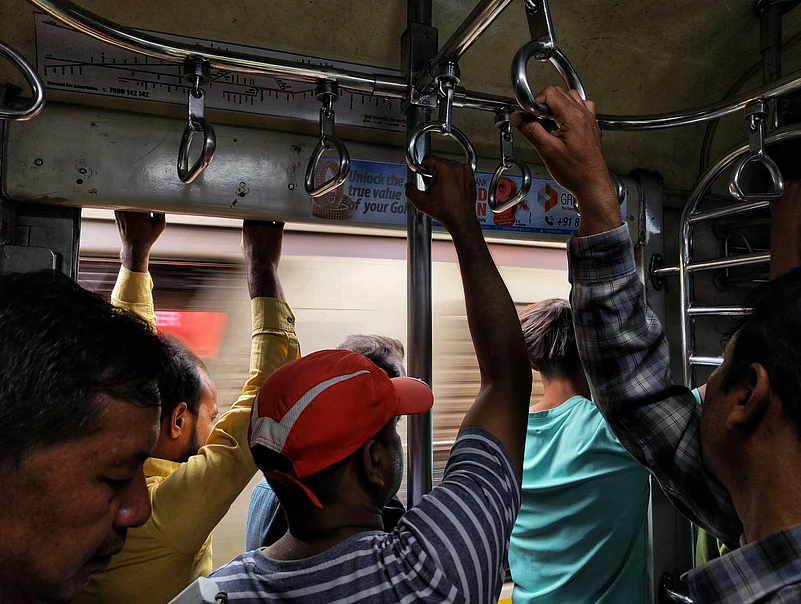

While the engineering upgrade marked a milestone for the railway, it also meant temporary inconvenience for commuters travelling along the Western Line over the weekend.
To facilitate the bridge work, a jumbo block was imposed between Kandivali and Borivali stations on both the UP and DOWN slow lines from the night of March 28 until the evening of March 29. During this time, slow-line services were diverted to fast lines between Goregaon and Borivali.
In addition, a separate block was enforced on the DOWN fast line between 1:00 am and 4:30 am on March 29. During this period, several trains did not halt at stations such as Ram Mandir, Malad, and Kandivali due to platform unavailability, as services were routed through alternate tracks.
Railway authorities also suspended operations at Borivali platforms 1 and 2 during the block. Several suburban services were cancelled or short-terminated at Andheri and Goregaon stations, while many 15-car slow trains were temporarily operated as fast services between Andheri and Borivali.
The disruption extended beyond the Western Line. On Sunday, Central Railway also announced scheduled maintenance blocks between Matunga and Mulund on the slow lines, and on the Trans Harbour line between Thane and Vashi or Nerul. During these blocks, slow trains were diverted to fast lines on the Central corridor, resulting in delays of up to 20 minutes, while Trans Harbour services between Thane and Vashi or Nerul remained suspended for several hours.
Preserving History
Even as the old bridge structure was dismantled, Western Railway made a conscious effort to preserve a piece of its history. A metal plaque from the original bridge has been carefully saved as a reminder of the infrastructure that once helped shape Mumbai’s rail network.
The plaque bears the name of The Brandon Bridge Building Company Limited and references the Bombay, Baroda, and Central India Railway—one of the earliest railway companies that played a crucial role in developing the western rail corridor during the colonial era.
For over a century, the steel girders carried millions of commuters across the suburban network, enduring floods, heavier trains, and the extraordinary growth of Mumbai’s population. Their replacement with modern concrete slabs marks not just a technical upgrade but also a moment of transition—from an era of riveted steel engineering to a more resilient infrastructure designed for the demands of today’s megacity.
For daily commuters rushing between stations, the bridge may simply be another piece of railway infrastructure. But for railway engineers and historians alike, its replacement serves as a reminder that even the most routine journeys often run on tracks laid down by history itself.
(With inputs from various sources)
FAQs
1. What was the purpose of the mega block between Kandivali and Borivali?
The 21-hour mega block was undertaken to replace a 129-year-old bridge span (Major Bridge No. 61) as part of Western Railway’s infrastructure upgrade on the suburban network.
2. When was the old bridge originally built?
The bridge span was constructed in 1897 during the colonial era and had been serving Mumbai’s suburban railway network for over a century.
3. What changes were made during the bridge replacement?
Engineers removed eight ageing steel girders and installed 28 pre-stressed concrete (PSC) slabs along with eight retainers to strengthen the structure.
4. How did the block affect suburban train services?
Slow-line trains were diverted to fast lines between Goregaon and Borivali, some trains skipped certain stations, and a few services were cancelled or short-terminated.
5. Was any part of the historic bridge preserved?
Yes. Western Railway preserved the original plaque from the bridge, which references The Brandon Bridge Building Company Limited and the Bombay, Baroda and Central India Railway.