

When Eravikulam National Park shuts its gates every year for two months, it is for a good reason—the arrival of new life on the misty slopes of the Western Ghats. The wait ends on April 1. Kerala’s most celebrated mountain park, perched high above the tea-carpeted hills of Munnar, has reopened to visitors after its annual closure during the breeding season of the endangered Nilgiri tahr, giving wildlife lovers another chance to witness one of India’s most remarkable conservation landscapes.
Spread across rolling grasslands and rocky cliffs in Idukki district’s Devikulam taluk, Eravikulam National Park has long been regarded as one of the strongest refuges for the Nilgiri tahr, a rare mountain ungulate found only in the southern Western Ghats. The park closes each year between February and March to allow these animals to breed undisturbed in their natural habitat. With the reopening, tourists can once again access the park’s sweeping views, winding trails, and the possibility of spotting these elusive creatures grazing on the steep slopes.
Breeding Season Ends
The park’s temporary closure aligns with the breeding and birthing season of the Nilgiri tahr, aiming to minimise any disturbance from human activity during this sensitive time. Forest department records show that about 841 Nilgiri tahrs currently reside in the park, including 144 newborns counted in the latest census. Officials estimate that roughly 100 calves are born here each year, although the challenging terrain and environmental conditions mean survival rates are often low.
Nilgiri tahrs, scientifically named Nilgiritragus hylocrius, are native to the Western Ghats, with a fairly limited habitat spanning some 400 kilometres across Kerala and Tamil Nadu. They prefer high-altitude grasslands, often near rocky cliffs, grazing primarily in the early morning and late afternoon. Adults can weigh up to 150 kilograms and live close to 30 years, but only about 45 per cent of the young make it through their initial years.
Eravikulam National Park is central to the species’ survival. Out of an estimated global population of around 2,500 Nilgiri tahrs, over 1,100 are believed to live in the Western Ghats, with the largest and most densely packed groups found here. Scientific studies on the species go back several decades, notable among them a 1969 survey by wildlife biologist George B. Schaller, which reported about 550 animals in the area. Since 1998, the forest department has been carrying out yearly censuses to monitor conservation efforts.
Landscapes And Wildlife
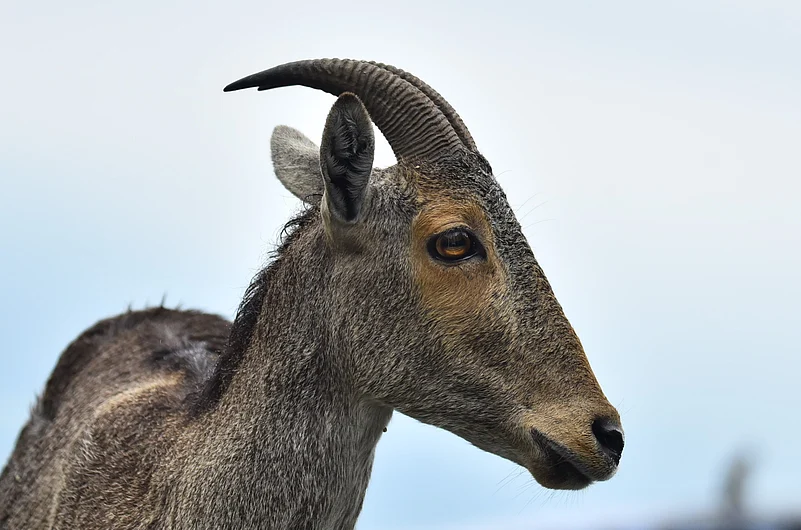

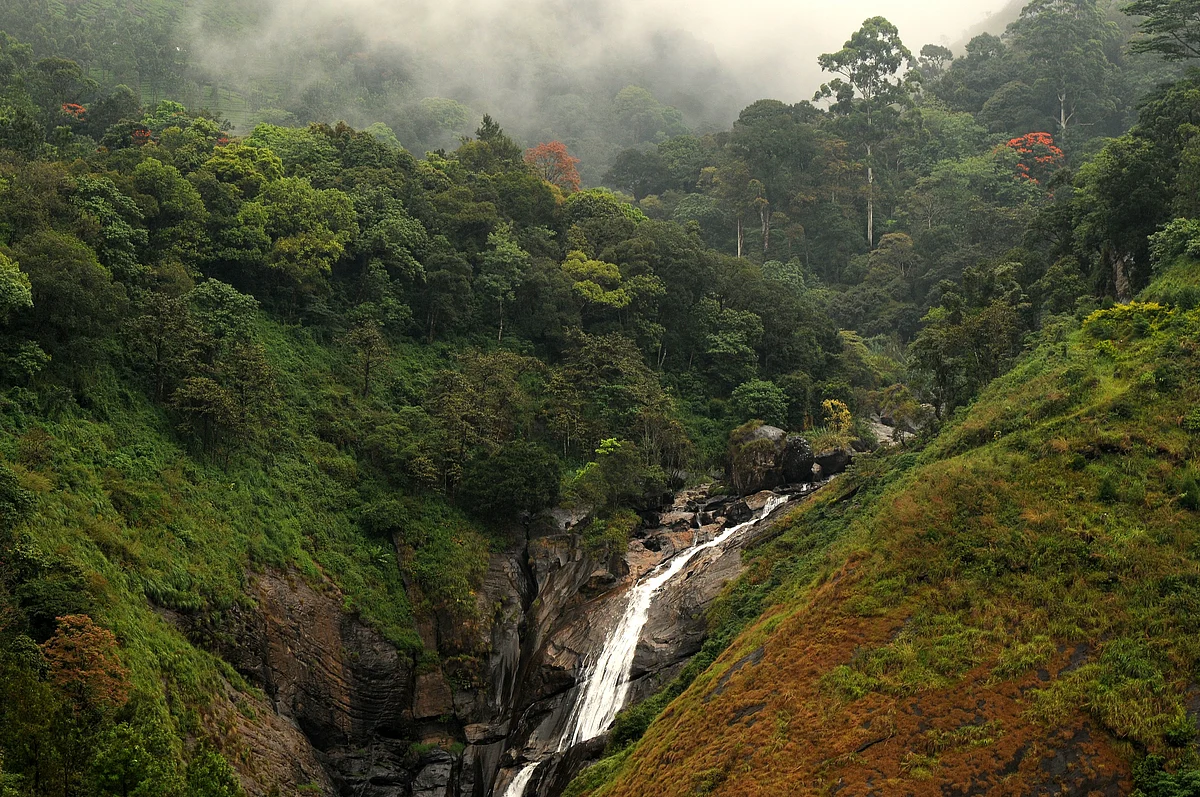
Although the Nilgiri tahr remains the most recognised symbol of the park, Eravikulam offers much more than just this one species. Around 70 percent of the park consists of vast montane grasslands that stretch over the hills like rolling green waves, punctuated by shola forests and rocky patches. These landscapes are part of the sensitive Western Ghats ecosystem, recognised by UNESCO for its remarkable biodiversity.
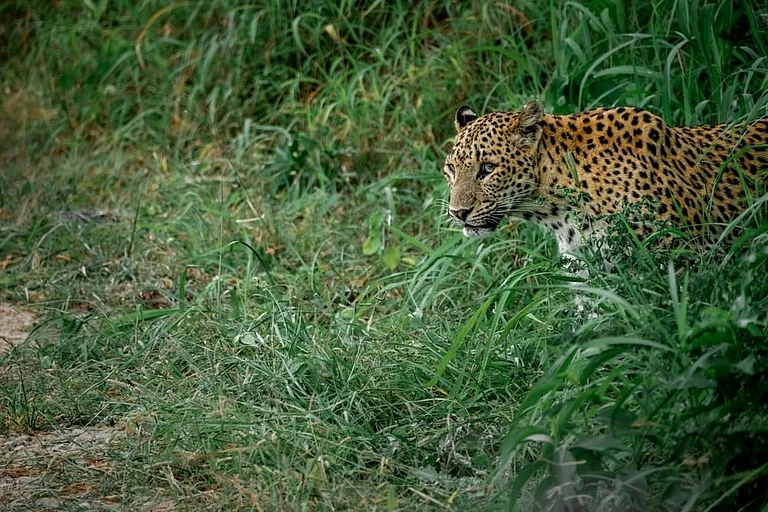
The park also shelters several other animals, such as the Nilgiri langur, lion-tailed macaque, Nilgiri marten, Indian giant squirrel, sloth bear, leopard, and occasionally the elusive Bengal tiger. Visitors may also come across various orchids, ferns, rhododendrons, and uncommon medicinal plants that flourish in this mountainous environment.
One of the park’s most notable natural events is the mass flowering of Neelakurinji, a rare shrub that blooms only once every 12 years, turning the hills into a violet-blue carpet. The last bloom was in 2018, attracting thousands of visitors, and the next is anticipated around 2030.
To further enhance the experience for visitors, a few new attractions have been introduced. These include a medicinal plant garden with about 200 species, scenic photo points, and a rainbow bridge designed as a viewing and photography spot within the park’s visitor area.
Visiting The Park
For travellers planning a trip, the gateway to Eravikulam National Park is the hill town of Munnar, roughly 470 to 500 kilometres from Bengaluru and easily accessible by road from major cities in Kerala and Tamil Nadu. The park’s main tourist entry point is located at Rajamalai, a short drive from Munnar.
Visitor entry typically begins at 8 AM and continues until the afternoon, with tickets available both online and at the park’s booking counters. Entry fees generally range around INR 125 for Indian adults and INR 95 for children, while international visitors pay a higher fee. Additional charges apply for still and video cameras.
Often described as the crown jewel of Kerala’s protected areas, Eravikulam was recently recognised as the best national park among more than 400 protected forest areas in India. For travellers, however, the experience is less about awards and more about the quiet magic of the place—mist rolling over grasslands, mountain winds sweeping across the valleys, and somewhere on a distant ridge, a Nilgiri tahr standing watch over its ancient home.
FAQs
1. When did Eravikulam National Park reopen in 2025?
The park reopened to visitors on April 1 after remaining closed during February and March for the Nilgiri tahr breeding season.
2. Why is the park closed every year?
The closure allows the endangered Nilgiri tahr to breed and give birth without disturbance from tourism activities.
3. Where is Eravikulam National Park located?
It is located near the hill town of Munnar in Kerala’s Idukki district in the Western Ghats.
4. What is the main attraction of the park?
The park is best known as the largest refuge of the endangered Nilgiri tahr, a mountain ungulate found only in the Western Ghats.
5. What are the visiting hours for Eravikulam National Park?
Visitors can typically enter the park from around 8 am, with entry allowed until early afternoon depending on ticket availability.