

For a few tense hours on Thursday morning, attention across the Pacific shifted from Venezuela’s devastating earthquake emergency to Japan’s northeastern coastline, where a powerful 7.2-magnitude earthquake struck off the coast of Iwate Prefecture. While the two events unfolded thousands of kilometres apart and with vastly different consequences, they served as another reminder of the seismic volatility that defines much of the Pacific Ring of Fire.
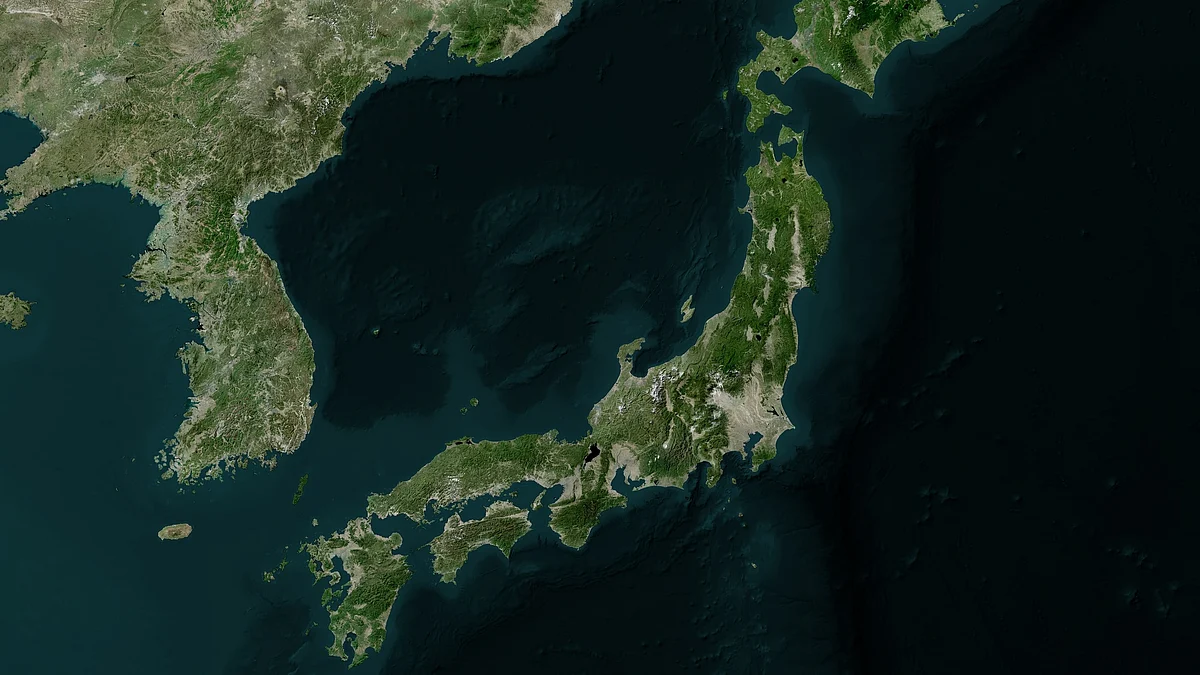
The earthquake struck off Japan’s northern Pacific coast during the morning rush hour, sending tremors through parts of the Tohoku region and as far south as Tokyo. According to the Japan Meteorological Agency (JMA), the quake occurred at a depth of around 50 kilometres beneath the seabed. The agency later upgraded its magnitude estimate from 6.9 to 7.2, while the United States Geological Survey recorded it at 6.9.
Despite its strength, authorities confirmed there was no tsunami threat. The announcement brought immediate relief to residents in a country where memories of the catastrophic 2011 earthquake and tsunami remain deeply etched into public consciousness.
The latest tremor struck in a region that has experienced heightened seismic activity in recent months. In December, strong earthquakes in the area had prompted a week-long megaquake advisory, sparking renewed discussions around disaster preparedness in Japan.
Morning Rush Disrupted

The earthquake was felt strongly across several cities in northeastern Japan, including Morioka, Sendai, and Hachinohe. Television footage and local reports showed commuters pausing their routines as buildings swayed and emergency alerts sounded across smartphones and public announcement systems.
While no major injuries or widespread structural damage were immediately reported, authorities confirmed that some buildings sustained minor damage. Images emerging from Aomori Prefecture showed cracked walls and damaged automatic doors at commercial establishments.
Transportation services also experienced temporary disruptions. East Japan Railway Company suspended several bullet train routes and local rail services as a precaution while engineers conducted safety inspections across the network. Such checks are standard procedure in Japan, where rail operators maintain some of the world's most stringent earthquake response protocols.
Schools in some affected areas adjusted operations as a safety measure. Reports from local media indicated that classes were cancelled in certain towns after the earthquake, allowing children to return home while authorities assessed conditions.
Japan’s government quickly activated emergency response teams to gather information and monitor potential aftershocks. Residents across the affected region were advised to remain cautious, as significant earthquakes are often followed by additional seismic activity in the hours or days that follow.
Nuclear Safety Checked
One of the first concerns following any major earthquake in Japan is the status of the country’s nuclear facilities. Officials confirmed that no abnormalities had been detected at nuclear power plants or related facilities following Thursday’s quake.
Particular attention was paid to the Fukushima Daiichi nuclear plant, the site of the 2011 nuclear disaster triggered by a massive earthquake and tsunami. Authorities reported no issues at the facility. A spent nuclear fuel reprocessing plant in Aomori Prefecture also remained unaffected.
Japan sits atop several active tectonic plate boundaries and experiences thousands of earthquakes each year, though most are too small to be felt. The country’s extensive early-warning systems, strict building regulations and disaster preparedness measures have significantly reduced the risks associated with seismic events, even when powerful earthquakes strike populated regions.
Pacific Ring Reality
The earthquake comes on the heels of a far deadlier seismic disaster in Venezuela, where back-to-back earthquakes measuring 7.2 and 7.5 struck within less than a minute of each other. The twin quakes caused extensive destruction across the South American nation, particularly in and around the capital, Caracas.
Authorities in Venezuela have reported dozens of fatalities and hundreds of injuries, with rescue teams continuing to search damaged buildings for survivors. Emergency measures have been activated nationwide as officials work to assess the full scale of the disaster.
Although Japan escaped major damage this time, Thursday’s earthquake underscored a reality shared by countries across the Pacific Ring of Fire: seismic activity remains a constant presence. From South America to East Asia, communities continue to rely on preparedness, resilient infrastructure and rapid emergency responses to navigate the unpredictable forces beneath the Earth's surface.
(With inputs from various sources)
FAQs
Q1. Where did the earthquake occur?
Off the eastern coast of Iwate Prefecture in northern Japan.
Q2. How strong was the earthquake?
Japan's Meteorological Agency measured it at magnitude 7.2.
Q3. Was a tsunami warning issued?
No, authorities confirmed there was no tsunami threat.
Q4. Were there any casualties reported?
No immediate reports of deaths or major injuries were reported.
Q5. Were nuclear facilities affected?
No abnormalities were reported at Fukushima or other nuclear facilities