January is one of the most atmospheric months to travel in Japan, when winter landscapes frame centuries-old rituals, New Year traditions, and community festivals across the country. As shrine visits, fire ceremonies, bonfire rituals, and coming-of-age celebrations unfold, Japan in January offers travellers a rare chance to witness living culture rather than staged spectacle. From lantern-lit processions in Tokyo to dramatic fire festivals in snowy mountain villages, these January festivals in Japan bring together spirituality, folklore, and local life—making them some of the most meaningful experiences to plan around in 2026.
Top 5 Festivals To Attend In Japan In January 2026
Hatsumode: Japan’s New Year Shrine Visit In January
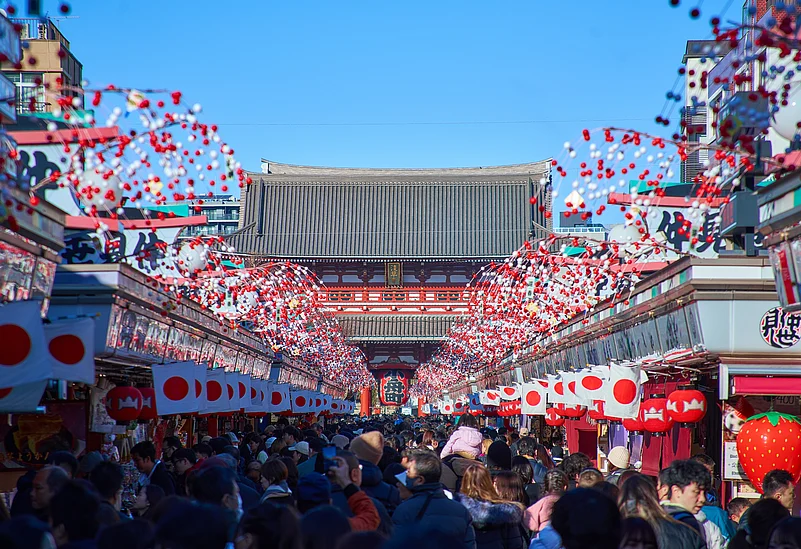

Hatsumode is the most important New Year tradition in Japan and is observed by people across the country in the first days of January. Families, couples, friends, and solo visitors stop by Shinto shrines or Buddhist temples to offer prayers for the coming year. The atmosphere is festive and filled with food stalls, fortune slips, and colourful charms. Large shrines attract impressive crowds while smaller neighbourhood shrines offer a more peaceful and intimate experience. For travellers, it is one of the best ways to witness living Japanese culture at the start of the year.
Time and date: January 1 to 3, with visits continuing through the first week of January
Location: Shrines and temples nationwide, including major ones such as Meiji Jingu in Tokyo and Fushimi Inari in Kyoto
How to visit: Use public transport, arrive early to avoid crowds, and carry small change for offerings
Oji Fox Parade: Tokyo’s Folklore Festival For The New Year
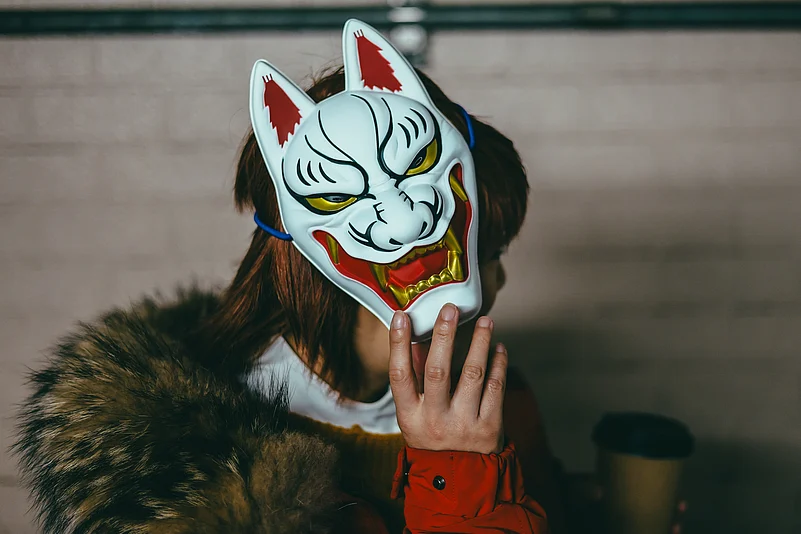
The Oji Fox Parade reimagines an old folktale in which foxes from around the region gather at Oji Inari Shrine on New Year’s Eve. Local participants wearing fox masks and traditional garments walk through the neighbourhood carrying lanterns in a dimly lit procession. The atmosphere is mystical and theatrical, and it is a beloved community event that welcomes the New Year in a unique, story-rich way. Visitors enjoy watching the procession as it moves toward the shrine in the first hours of January.
Time and date: Night of December 31 into the early hours of January 1
Location: From Shozoku Inari Shrine to Oji Inari Shrine in Kita Ward, Tokyo
How to visit: Travel to Oji Station by JR or Metro and be prepared for late-night transport and cold weather
Takasaki Daruma Market: Japan’s Festival Of Good Luck
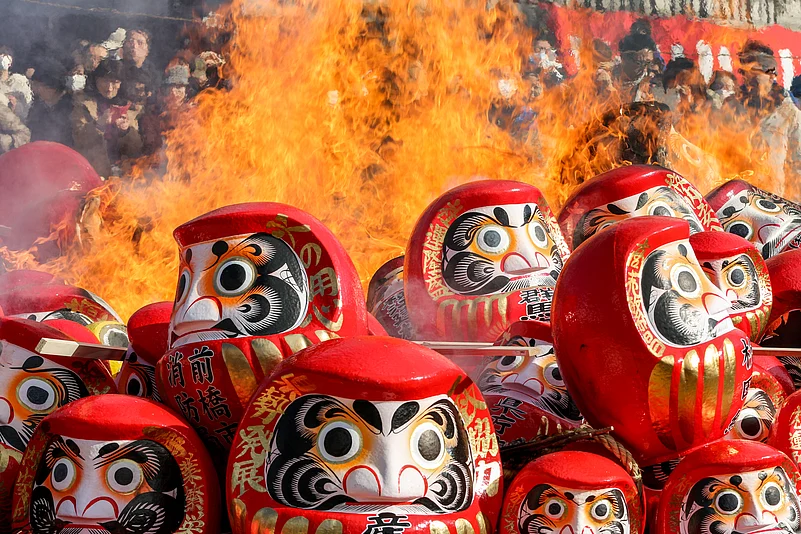
Takasaki in Gunma Prefecture is the heart of daruma doll craftsmanship. Every New Year, the city hosts a bustling market filled with stalls selling daruma in many sizes and colours. Visitors come to choose a doll that represents their hopes for the year. Craftspeople demonstrate painting techniques, and the entire area transforms into a cheerful street fair. It is an excellent place to explore Japanese folk crafts and understand how symbolic objects link with New Year traditions.
Time and date: January 1 and 2
Location: Area around the west exit of Takasaki Station in Gunma Prefecture
How to visit: Take the JR Takasaki Line or Joetsu Line to Takasaki Station and walk to the market area
Nozawa Onsen Dosojin Fire Festival: Japan’s Fiercest Winter Ritual

The Dosojin Fire Festival in Nozawa Onsen is one of Japan’s most intense and visually striking winter traditions. Held on January 15, it features a tall wooden shrine structure that becomes the focal point of a ritual battle between villagers. Men of specific age groups defend the structure while others attempt to set it ablaze, all as part of a rite dedicated to Dosojin deities. The ceremony is loud, fiery, and deeply rooted in local identity. The snowy mountain scenery adds to the dramatic effect, and visitors who attend often consider it a once-in-a-lifetime experience.
Time and date: January 15
Location: Nozawa Onsen Village in Nagano Prefecture
How to visit: Reach Nozawa Onsen via Nagano Station and a connecting bus, book accommodation early, and follow site guidance for safe viewing
Seijin no Hi: Japan’s Coming Of Age Day In January

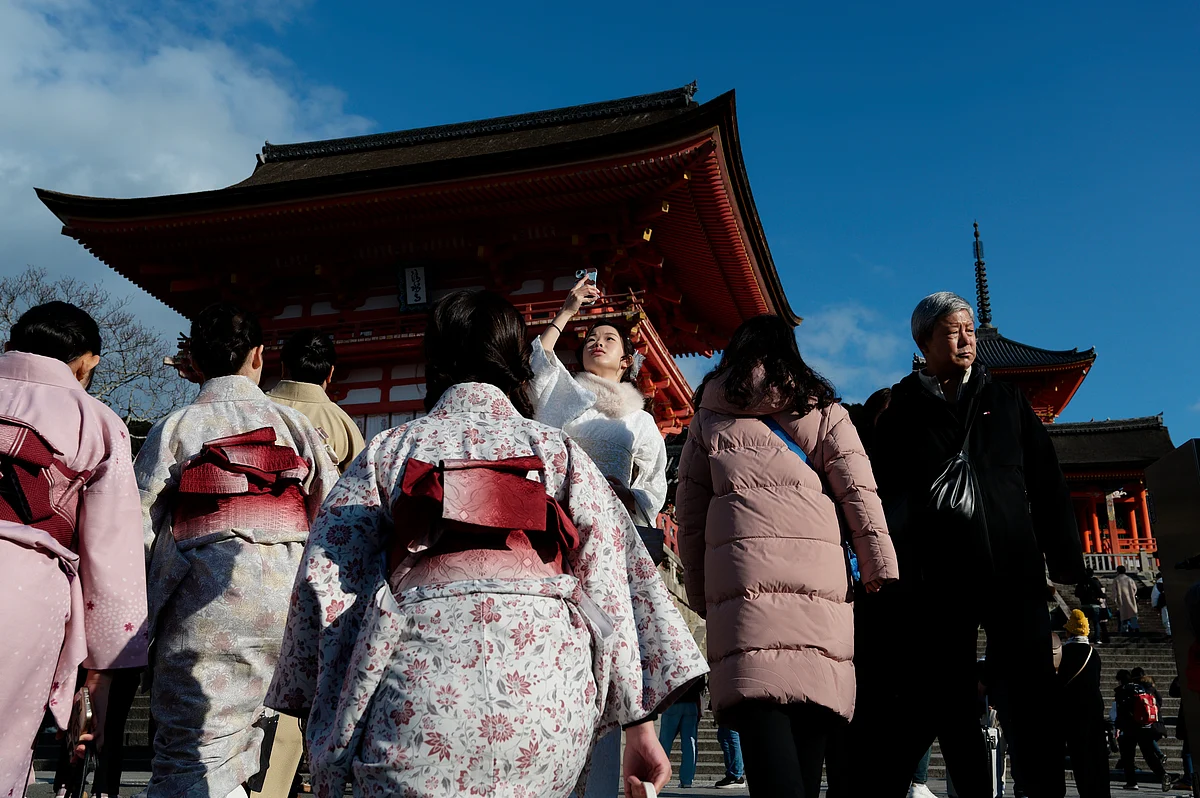
Seijin no Hi celebrates young people who have reached adulthood. Cities and towns host official ceremonies where participants dress in formal clothing, with women in colourful furisode kimonos and men in suits or traditional hakama. After the ceremonies, families and friends gather for photographs and small celebrations. It is one of the most visually striking public events of the month, and it shows the blend of modern civic culture with long-standing tradition.
Time and date: Second Monday of January, which is January 12 in 2026
Location: Civic halls and public venues across Japan
How to visit: While the ceremonies themselves are for residents, visitors can observe public gatherings in parks or outside event halls where participants take photographs
(Festival dates are based on traditional calendars and may vary slightly each year. Travellers are advised to check local tourism websites before visiting.)
FAQs
1. What makes January a special festival month in Japan?
January marks renewal, New Year visits, bonfire rituals, fire ceremonies and community celebrations rooted in spirituality, folklore and winter traditions across the country.
2. What is Hatsumode and why is it significant?
Hatsumode is Japan’s first shrine or temple visit of the year, where people pray for health, luck and prosperity while enjoying festive stalls and omikuji.
3. Which January festival in Japan is the most dramatic?
The Nozawa Onsen Dosojin Fire Festival on January 15 is one of Japan’s most intense rituals, featuring fiery battles and mountain village traditions.
4. Are January festivals easy for travellers to attend?
Most events are accessible via public transport, though popular ones like Nozawa Onsen require early accommodation bookings and adherence to safety guidance.
5. Can visitors join Coming of Age Day celebrations?
Seijin no Hi ceremonies are for residents, but travellers can observe public gatherings and photo sessions in parks and civic areas for a cultural glimpse.