A strong earthquake struck northern Japan early Monday morning, rattling parts of Hokkaido and prompting fresh concerns about seismic activity in the region. According to the Japan Meteorological Agency, the earthquake measured 6.2 on the Richter scale and occurred at 5:23 AM local time. The epicentre was located in southern Hokkaido at a depth of approximately 83 kilometres. The agency had initially estimated the magnitude at 6.1 before revising it upwards.
The United States Geological Survey corroborated the findings, noting that the quake's depth and location likely reduced its destructive potential. The affected area lies roughly 200 kilometres east of Sapporo, the island’s largest city, where tremors were felt but did not result in widespread disruption.
No tsunami warning was issued following the quake, easing immediate fears in coastal communities. However, officials cautioned that localised risks remain in areas that experienced strong shaking.
Aftershock Risks And Geological Warnings
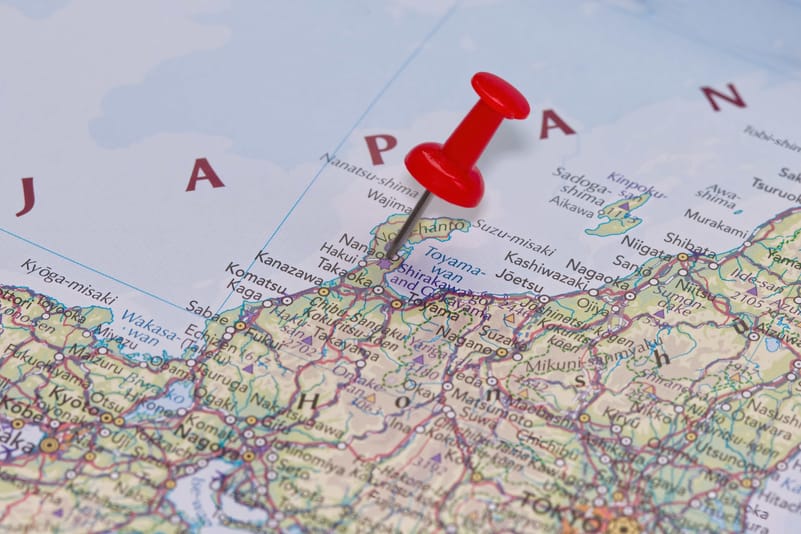

Authorities have warned residents to remain vigilant in the coming days. The JMA suggested a high probability of additional earthquakes of similar magnitude occurring within the next week. Officials also highlighted secondary hazards, such as landslides and falling debris, particularly in mountainous, unstable terrain.
“In areas that experienced strong shaking, the danger of falling rocks and landslides has increased,” a JMA representative said during a press briefing.
The latest tremor follows another seismic event just hours earlier, a magnitude 5.0 earthquake recorded in waters south of Hokkaido. While relatively moderate, the back-to-back earthquakes highlight the volatile seismic conditions currently affecting northern Japan.
Recent Seismic Activity Raises Megaquake Concerns
The latest developments come less than a week after a powerful 7.7-magnitude earthquake struck off the coast of Iwate Prefecture. That quake injured at least six people and caused buildings to sway as far away as Tokyo, underscoring the region's far-reaching impact of major seismic events.
The Iwate quake also triggered tsunami waves measuring up to 80 centimetres, which hit coastal ports, while smaller waves were recorded elsewhere in northern Japan. Although damage was limited, the event prompted the JMA to issue an unusual advisory warning of an increased likelihood of a megaquake, defined as magnitude 8.0 or higher.
“The likelihood of a new, huge earthquake occurring is relatively higher than during normal times,” the agency stated following last week’s tremor.
This advisory has placed both authorities and residents on heightened alert, particularly in regions already prone to seismic activity.
Japan’s Seismic Vulnerability

Japan remains one of the most earthquake-prone nations in the world. This is due to its location along the Pacific “Ring of Fire,” where multiple tectonic plates converge.
The country sits atop four major plates, making it particularly susceptible to frequent, sometimes devastating earthquakes.
On average, Japan experiences about 1,500 earthquakes annually, accounting for nearly 18 per cent of global seismic activity. While most are minor, the nation’s infrastructure and disaster preparedness systems are continually tested by stronger tremors.
The memory of the 2011 Tōhoku earthquake and tsunami remains deeply etched in the national consciousness. That catastrophic 9.0-magnitude undersea quake triggered a massive tsunami, leaving approximately 18,500 people dead or missing. It also led to a nuclear crisis at the Fukushima Daiichi Nuclear Power Plant, one of the worst in modern history.
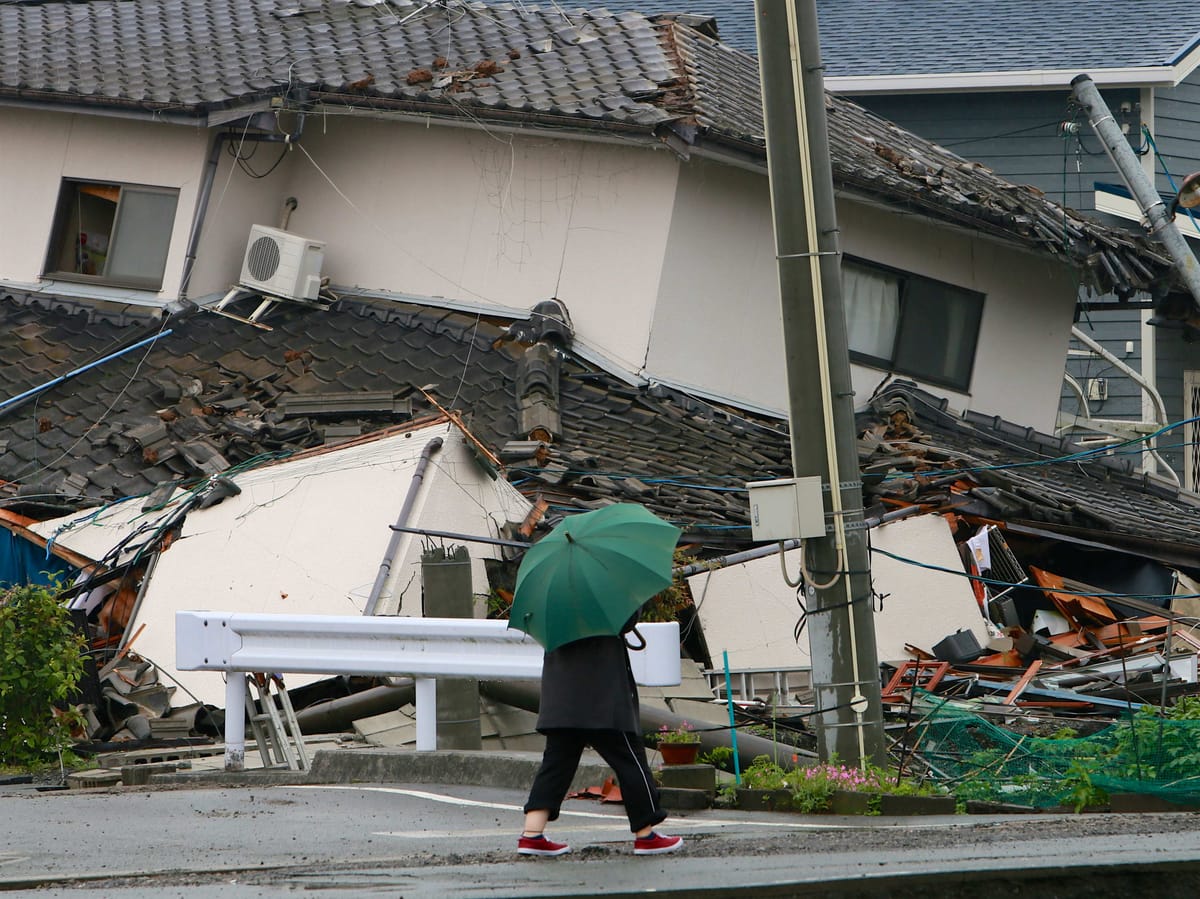
Since then, Japan has significantly strengthened its early warning systems, building codes, and emergency response mechanisms. Monday’s quake, while relatively moderate, serves as a reminder of the persistent risks the country faces.
Japan Issues Public Advisory
Authorities continue to closely monitor seismic activity, urging residents to stay informed through official channels and to be prepared for sudden aftershocks. Emergency kits, evacuation plans, and awareness of safe zones remain critical components of public safety guidance.
While no immediate large-scale damage has been reported, experts stress that vigilance is key, particularly given the recent sequence of earthquakes and the elevated probability of further seismic events.
Japan’s resilience in the face of natural disasters is well-documented, but the current uptick in activity highlights the unpredictable nature of life along one of the world’s most active geological fault lines.
(With inputs from various sources)
FAQs
1. Where did the 6.2 earthquake occur in Japan?
The earthquake struck southern Hokkaido in northern Japan, with tremors felt across nearby regions, including Sapporo.
2. Was there a tsunami warning after the earthquake?
No tsunami warning was issued, which reduced immediate risk for coastal areas, though authorities continue monitoring conditions.
3. Are aftershocks expected after this earthquake?
Yes, the Japan Meteorological Agency has warned of a high likelihood of aftershocks of similar intensity within the next week.
4. What risks do aftershocks pose?
Aftershocks can trigger landslides, falling debris, and structural damage, especially in areas that experienced strong shaking.
5. Why is Japan prone to frequent earthquakes?
Japan lies on the Pacific Ring of Fire, where multiple tectonic plates meet, making it one of the most seismically active regions in the world.