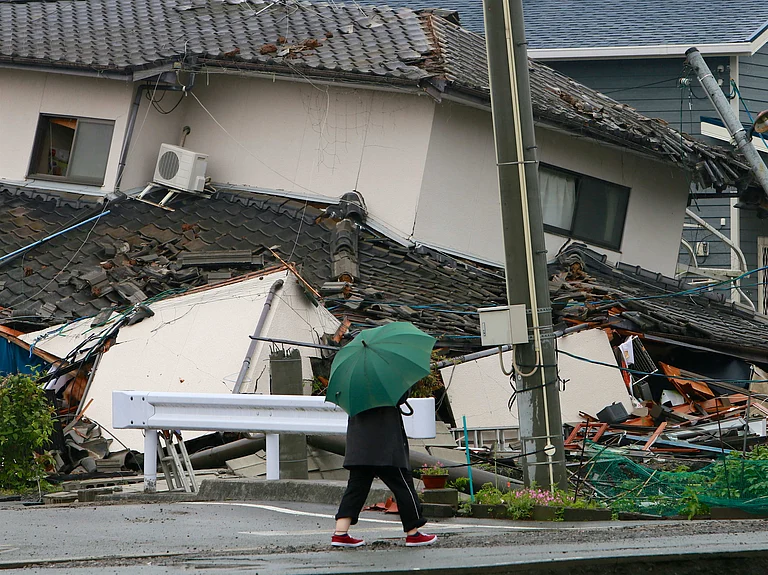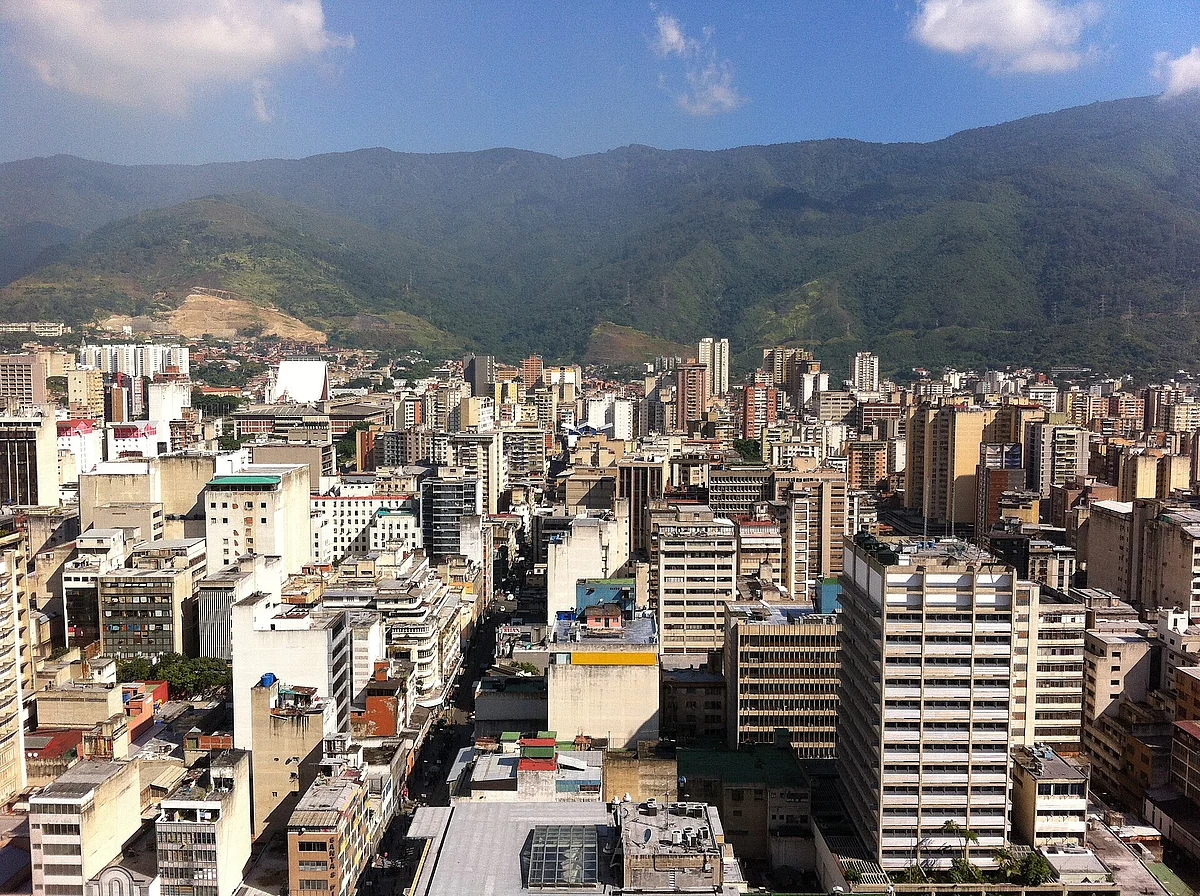
A powerful pair of earthquakes struck north-central Venezuela on Wednesday, June 24, 2026, unleashing widespread destruction across the region.
A catastrophic double earthquake event, involving back-to-back tremors of magnitude 7.2 and 7.5, hit north-central Venezuela, with the capital Caracas among the worst affected areas. Multiple residential buildings collapsed, at least 32 people were killed and more than 700 injured, according to initial official statements. Acting President Delcy Rodríguez has declared a national state of emergency.
The Seismic Event
The Twin Tremors: A 7.2 magnitude foreshock struck first, followed just 39 seconds later by a far stronger 7.5 magnitude mainshock.
Epicentre Region: The United States Geological Survey (USGS) located the epicentres in the coastal region near Morón and Yumare, around 160 to 168 kilometres west of Caracas.
Shallow Depth: The shaking was significantly intensified as both quakes occurred at shallow depths, between 10 km and 13 km below the surface.
Aftershocks: More than 20 strong aftershocks have since rattled the region, forcing residents to sleep outdoors amid fears of further structural collapse.
Collapse And Widespread Infrastructure Damage
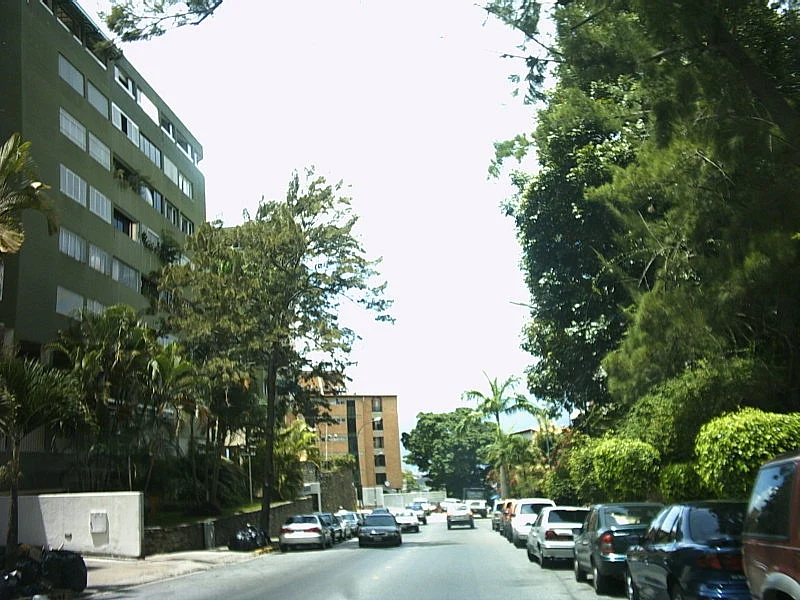

Caracas: Multi-storey buildings were completely flattened or partially collapsed across key areas of the capital, including San Bernardino, Chacao, Baruta, Pinto Salinas and El Paraíso. Many of these structures date back to the 1950s and 1960s.
Hardest-Hit Areas: The coastal state of La Guaira suffered severe destruction, with local officials reporting up to 15 building collapses.
La Mar Suites Collapse: In Falcón state, a beachfront hotel and residential complex collapsed entirely, trapping at least 15 people.
Critical Logistics Closed: Simón Bolívar International Airport in Maiquetía, the main gateway to Caracas, sustained major internal damage including fractured walls and ceiling failures, forcing a full shutdown.
Infrastructure Cut-offs: Widespread power outages, loss of internet services and disrupted mobile connectivity have been reported. Authorities also shut down regional gas networks as a precaution against urban fires.
Oil Infrastructure Status: Early assessments cited by Reuters via The Guardian indicate that key oilfields and refineries near Lake Maracaibo have so far avoided critical damage.
Emergency Response And International Aid
Catastrophic Projections: The USGS warned that “high casualties and extensive damage are probable,” adding that there is a 44 per cent analytical chance the final death toll could exceed 10,000, given the widespread use of vulnerable concrete block and adobe construction in the region.
Local Rescues: Thousands of emergency responders and civil protection teams are working through heavy rubble to locate and extract survivors. Schools and all non-essential public services have been suspended nationwide.
Global Support: International assistance has begun to arrive, with US President Donald Trump and leaders from several South American nations, including Ecuador and El Salvador, deploying specialist search-and-rescue units, along with emergency supplies and disaster relief support.
The 2026 Venezuela earthquake is now confirmed by seismologists to be the country’s largest seismic event since 1900. As search-and-rescue teams continue excavating collapsed structures across north-central Venezuela, several critical operational and environmental updates have emerged.
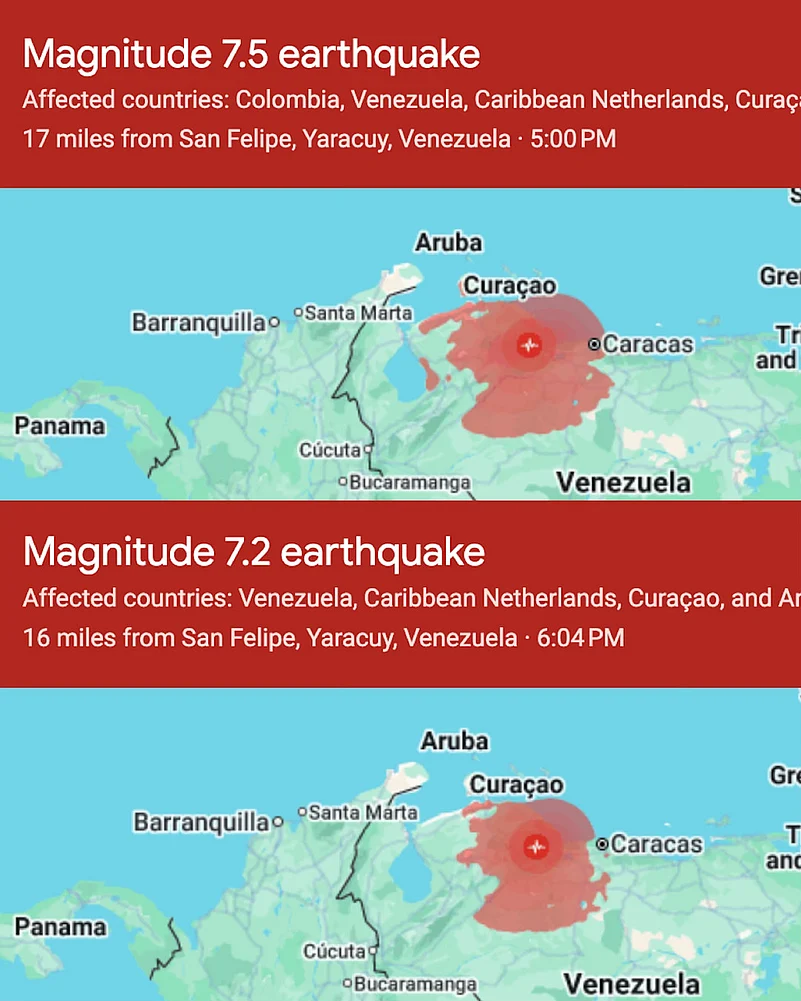
Following the massive 7.5 magnitude sea-adjacent mainshock, regional maritime tracking prompted brief tsunami alerts for Puerto Rico, the Dominican Republic, and the Virgin Islands.
(With inputs from various sources)
FAQs
Q1. What caused the earthquakes in Venezuela?
A doublet seismic event involving two strong shallow earthquakes of magnitude 7.2 and 7.5 struck north-central Venezuela within seconds of each other.
Q2. Which areas were worst affected?
Caracas and surrounding regions, including La Guaira, along with parts of Falcón State, reported severe structural damage and building collapses.
Q3. How many people have been affected so far?
At least 32 people have been confirmed dead and over 700 injured, though authorities warn the toll may rise significantly.
Q4. Is infrastructure still functioning in the affected areas?
No. Widespread power cuts, communication failures, and transport disruptions have been reported, including the closure of Caracas’s main airport.
Q5. Is international aid being provided?
Yes. Several countries, including the United States and nations in South America, have begun sending rescue teams and emergency assistance.