

Luxury travel at sea is entering a period of reinvention, where expectations are shifting and long-held ideas of indulgence are being reassessed. In 2026, luxury cruising is not only expanding but also evolving in the way travellers approach it from the very start of their journey. The definition of what makes a voyage desirable is changing.
From Brand Loyalty To Personal Fit
Luxury cruising is moving away from brand-led choices towards a more personal way of booking. Travellers are less focused on cruise line names and more on how well a voyage matches their own preferences, from ship size and itinerary to wellness and design. The question is shifting from “which cruise line is best?” to “which cruise suits me?”. This is leading to more comparison across brands, greater interest in niche operators, and increased use of advisors to shape more tailored itineraries.
Experience-Led Journeys
Luxury cruises are becoming more experience-led, with itineraries shaped around personal passions rather than standard sightseeing routes. Culinary exploration, art-focused excursions and deeper cultural access are increasingly taking priority over traditional stop-by-stop travel.
Shift Towards Slow
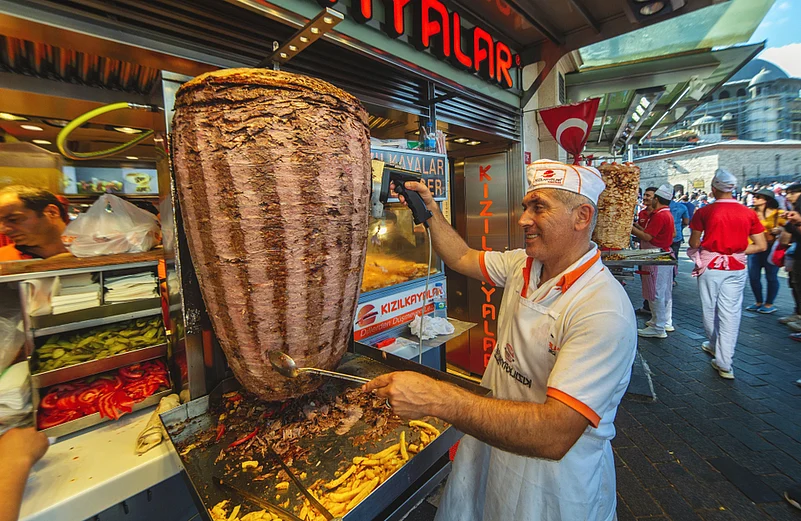

Travellers are also placing greater value on time spent in destination rather than at sea. In response, 2026 itineraries are featuring longer port stays, overnight stops and more immersive activities such as food tours and workshops, reflecting a broader shift towards “slow cruising” over fast multi-destination schedules. Cruise lines are adapting by redesigning routes to prioritise depth over movement. This is also influencing booking behaviour, with longer planning cycles, a preference for fewer but richer destinations.
Cleaning Up The Footprint
Luxury cruising in 2026 is evolving amid growing pressure on the travel industry to reduce emissions and rethink energy use. Cruising has long been criticised for its environmental impact, with high fuel use and emissions under constant scrutiny. Luxury operators are now being pushed to respond more seriously, and many are shifting towards lower-impact technologies and cleaner ship design.
This includes a move towards early-stage fuel-cell systems, along with hybrid-electric vessels used in more sensitive regions. Efforts are also focused on improving efficiency, reducing energy use, and cutting single-use plastics on board. Operators such as Ponant and Silversea are investing in greener ships, while expedition lines like HX (Hurtigruten Expeditions) are adding science-led programmes linked to climate research.
To combat air pollution in port cities, many ships are installing technology to use electrical power from the shore rather than running diesel engines while docked. For instance, Carnival Corporation's fleet, along with many others, are adopting this technology.

A Shifting Mindset
Luxury cruising is reaching a wider mix of travellers as expectations around high-end travel shift. It’s no longer just about long, extended voyages, with more interest in shorter breaks and trips that feel more personal and flexible.
This reflects a wider change in how luxury is defined at sea, moving towards experiences that are more intentional, design-led and adaptable. As a result, cruise lines are responding with more varied itineraries, flexible pricing structures and a stronger focus on lifestyle-driven travel, rather than fixed notions of scale or status.
FAQs
What is changing in luxury cruising in 2026?
Luxury cruising is moving towards more personalised, experience-led travel, with greater focus on meaningful itineraries, design-led ships and flexible travel styles.
What kind of itineraries are becoming more popular?
Slower itineraries with longer port stays, fewer destinations and deeper cultural or themed experiences are gaining traction.
What is “slow cruising”?
It refers to a style of cruising that prioritises more time in each destination, rather than visiting many places quickly.
Are cruise lines becoming more sustainable?
Yes. Many are investing in LNG, hybrid systems, cleaner ship designs and reduced plastic use to lower environmental impact.
Who is booking luxury cruises today?
The audience is broadening, with interest coming from a wider mix of travellers, including those seeking shorter, more flexible and experience-led voyages.