

What should you do on your next trip, or even the long weekend ahead?
Possibly nothing at all.
And that’s the answer.
“Calmcations” are gaining ground, and at their very core, they show a growing preference for doing very little at all.
Global uncertainty, economic strain and growing social disconnection defined much of the past year, deepened by digital environments that amplified anxiety. A single click could trigger an endless stream of negative news, reinforcing what psychologists call the Mean World Syndrome. At the same time, more people began searching for terms like cortisol, signalling a growing awareness of what constant stress was doing to their bodies. Digital sobriety followed—not as a trend, but as a way to cope. Stepping back from screens and constant connectivity opened up space for slower, quieter experiences, now loosely grouped under what we call calmcations.
Data reflects this larger unease. The World Happiness Report 2025 places India in the lower half globally, pointing to ongoing concerns around work-life balance, social support and overall mental well-being. While the economy continues to grow, economic growth does not appear to correlate with how satisfied people feel about their daily lives.
Workplace trends make the picture clearer. Studies by Deloitte and McKinsey & Company suggest that a large share of India’s corporate workforce is dealing with high stress, with nearly 70 to 80 per cent reporting signs of burnout or chronic fatigue. Long hours, constant online presence and the erosion of boundaries between work and personal time all play a role.
The World Health Organization has also flagged stress as a rising public health issue in urban India, linking it to anxiety, heart-related conditions and poor sleep. The result is a workforce that is efficient and driven, but also deeply tired.
Why Calmcations Are Taking Over
This context explains the rise of calmcations. They are not simply another travel trend, but a response to systemic fatigue. Instead of itineraries packed with activities, this approach centres on reduction—fewer choices, minimal schedules and limited sensory input.
What distinguishes calmcations is intent. The focus shifts from experience accumulation to deliberate disengagement. Silence replaces stimulation, analogue replaces digital, and time is left unstructured. The appeal lies in removing the pressure to optimise every moment.
Calming Retreats
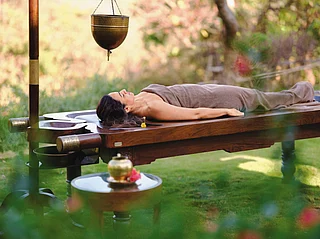
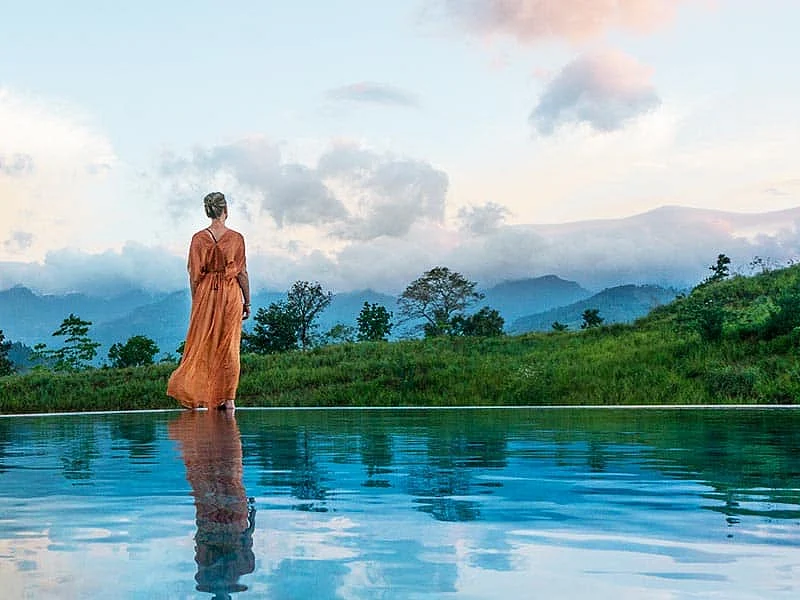
Luxury hospitality has adapted quickly. Retreats now foreground disconnection as a core offering, with no-WiFi zones, slow dining and nature-led routines. The promise is not adventure or indulgence, but relief—space where rest happens without effort.
In that sense, doing nothing is not indulgent; it is corrective.

Speaking to Outlook Traveller, Abhilash K Ramesh, executive director, Kairali Ayurvedic Group, said, “Today’s entrepreneur and working professional are living under a level of stress that is constant, cumulative, and deeply draining. This has led to a sharp rise in lifestyle disorders, burnout, anxiety, poor sleep, and emotional fatigue. What many call a ‘calmcation’ is not about doing nothing in a superficial sense; it is about stepping away from noise, pressure, and decision fatigue so the body and mind can finally reset.”
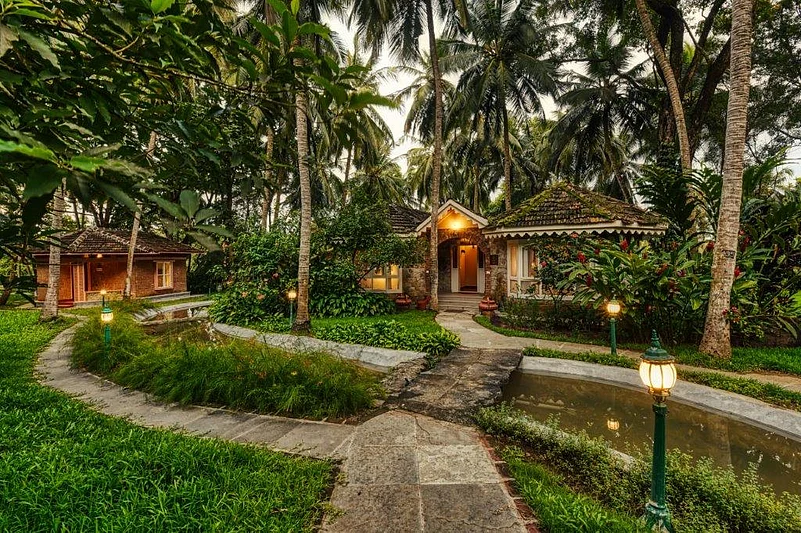
Kairali – The Ayurvedic Healing Village in Palakkad, Kerala, is a wellness retreat offering an authentic Ayurvedic experience for holistic healing. The village is surrounded by lush greenery and coconut trees, providing a serene environment for rejuvenation.
“We create a serene healing environment where doctors, nurses, yoga experts, and therapists take over the burden of daily stress and guide each guest towards balance. Ayurveda teaches that health comes from harmony between body, mind, and soul, and that is exactly what we help restore. The price is not a premium for inactivity, but an investment in expert-led healing, preventive care, and the lasting health benefits delivered at our accredited NABH hospital retreat,” Ramesh added.
“Calmcations basically started with people wanting a breather. A breather from all activities to just relax,” said Navneet Sharma, CEO and MD, Lion Group.
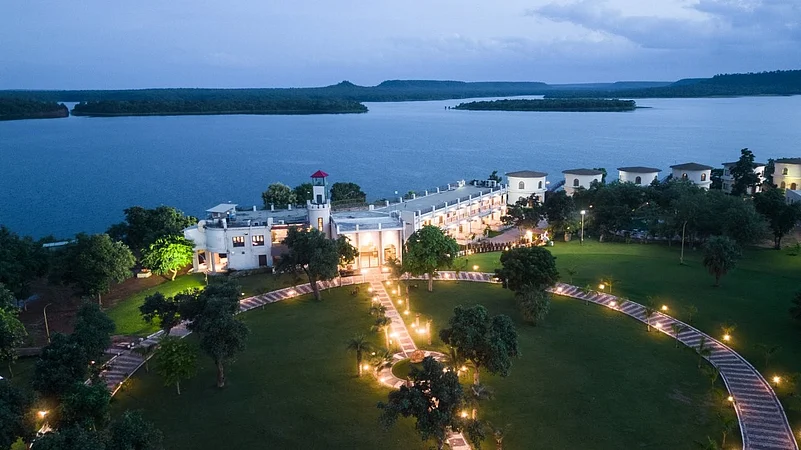
It is with this thought that the Narwar Lakefront Resort in Madhya Pradesh was conceptualised. Thirty minutes from the most densely populated urban zones, it treats you with visually stunning water views, open skies, and minimal noise pollution.
Guests can wake up to uninterrupted views of vast waters, breathe in unpolluted forest air, and immerse themselves in a landscape that is both calming and adventurous. Whether it is exploring wildlife, enjoying serene boat rides, or simply disconnecting from urban chaos, every moment here is designed to rejuvenate the mind and soul.
“This kind of environment is scientifically linked to reduced stress and improved mental clarity. People can enjoy lakeside walks, sunrise/sunset watching, and quiet outdoor spaces that allow for mindfulness without effort. You’re not ‘doing activities;—you’re simply being, which is the core of a calmcation. It’s a place for digital detox and relaxed, mindful schedules without any rush,” commented Sharma.
The Science Behind Restorative Travel
A growing body of research shows that stepping away from routine has measurable effects on mental and physical health. Research shows that even a short break—just four or five days—can make a noticeable difference. Stress levels drop, sleep improves, and people tend to feel lighter, more energised. In some cases, stress is cut almost in half, with mood lifting during the trip and staying that way for a while after. These effects don’t disappear the moment you return either; they can linger for weeks. But how you spend that time away matters. The biggest shift comes when you truly switch off—stepping away from work, cutting down screen time and giving your mind a break from constant input.
That said, the reset doesn’t always last. Once people slip back into high-pressure routines, the benefits can fade, especially if the holiday itself was packed with plans and activity. This is where the idea of calmcations gains relevance. By prioritising minimal schedules, low sensory stimulation and deliberate disconnection, such trips align more closely with what research identifies as genuinely restorative. The emphasis shifts from doing more to doing less, allowing the body and mind to recover without interruption. In this context, rest is not treated as a byproduct of travel, but as its primary purpose.
In the end, the shift is less about where you go and more about how you choose to be there. Calmcations reflect a growing recognition that rest cannot be scheduled, optimised or performed. It has to be allowed. In stepping away from excess—of noise, choice and expectation—travellers are rediscovering something far more essential: the simple, necessary act of doing nothing, and letting that be enough.
FAQs
1. What are calmcations?
Calmcations are vacations focused on rest, minimal activity, and digital detox, allowing travellers to disconnect and recover from stress.
2. Why are calmcations becoming popular?
Rising stress, burnout, and constant digital exposure have led people to seek slower, quieter travel experiences focused on mental well-being.
3. What are the benefits of a calmcation?
Calmcations can reduce stress, improve sleep, boost mental clarity, and support overall emotional and physical health.
4. Where can you go for a calmcation in India?
Wellness retreats in Kerala, Madhya Pradesh, and Himalayan regions offer ideal settings for calmcations with nature, silence, and holistic healing.
5. How is a calmcation different from a regular vacation?
Unlike traditional trips packed with activities, calmcations prioritise doing less, with unstructured time, minimal schedules, and a focus on rest.