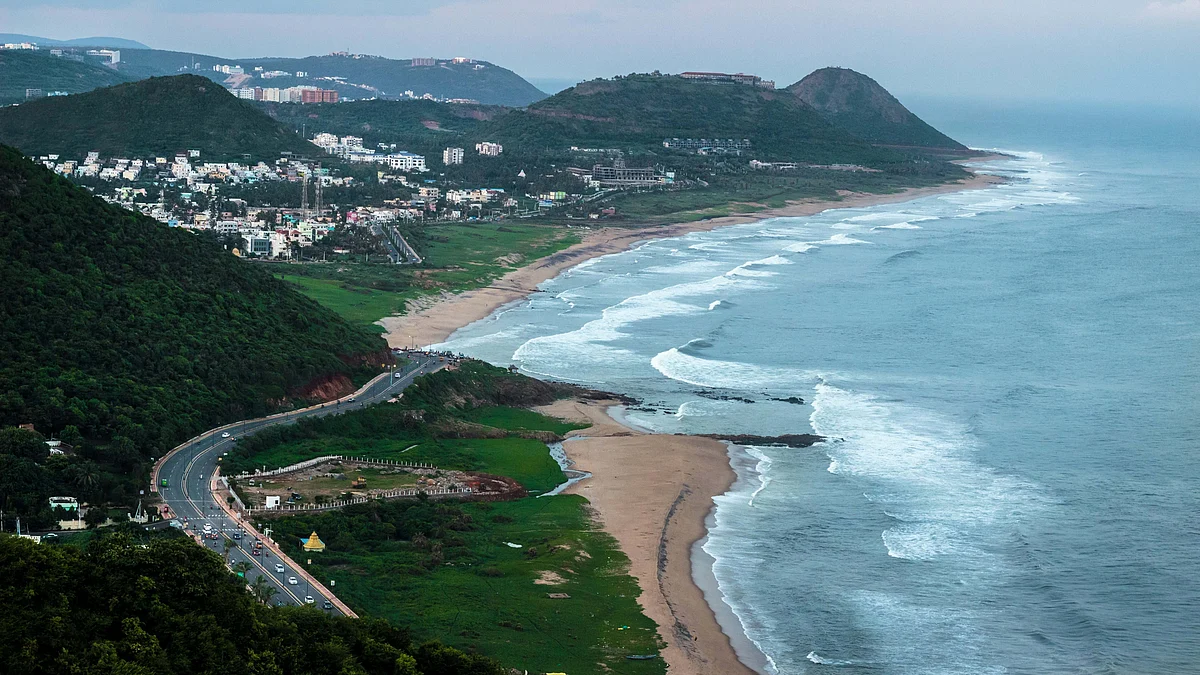
Andhra Pradesh’s tourism story is beginning to shift. Long known for its temple towns, spiritual circuits and quieter stretches of coastline, the state is now steadily introducing a more energetic side to its travel identity—one built around adventure, outdoor experiences and destination-led infrastructure. The latest sign of that transformation came this week in Chirala, where new jet ski rides and aerial adventure activities were launched at Panduranga Beach under the state-backed Dive Chirala initiative.
Set along the coast in Bapatla district, the new experiences are part of a wider plan to turn Andhra Pradesh’s beaches into destinations that can attract more than just seasonal local visitors. State officials have increasingly positioned tourism as a serious economic driver, with a focus on creating jobs, encouraging private investment and bringing new life to regions that have often remained outside the mainstream leisure map. The Chirala launch may appear modest on the surface, but it reflects a much larger tourism strategy that has been gathering pace across the state in recent months.
Coastal Tourism Push
With nearly 800 kilometres of coastline, Andhra Pradesh has long had the natural advantage needed to build a strong marine tourism sector. Yet much of that potential has remained underdeveloped compared to destinations such as Goa or Kerala. Officials now appear determined to change that by introducing adventure-led attractions that can make beach destinations more appealing to younger travellers and weekend visitors.
At Chirala, the newly introduced water sports and aerial activities are designed to offer a more immersive beach experience rather than a simple seaside visit. Alongside the visitor-facing attractions, authorities are also working on safety frameworks to support these developments. District-level coordination between police, fisheries, marine services, forest officials and fire departments is being positioned as an essential part of ensuring that tourism growth does not come at the cost of visitor safety or environmental oversight.
The state has also emphasised the importance of balancing development with local communities. As tourism expands, officials are increasingly aware that infrastructure projects need to coexist with the daily lives of residents, especially in smaller coastal towns where tourism is still relatively new. That balance could become critical if Andhra Pradesh hopes to scale these projects sustainably rather than creating short-lived attractions that struggle after the initial launch.
Riverfront Revival Plans
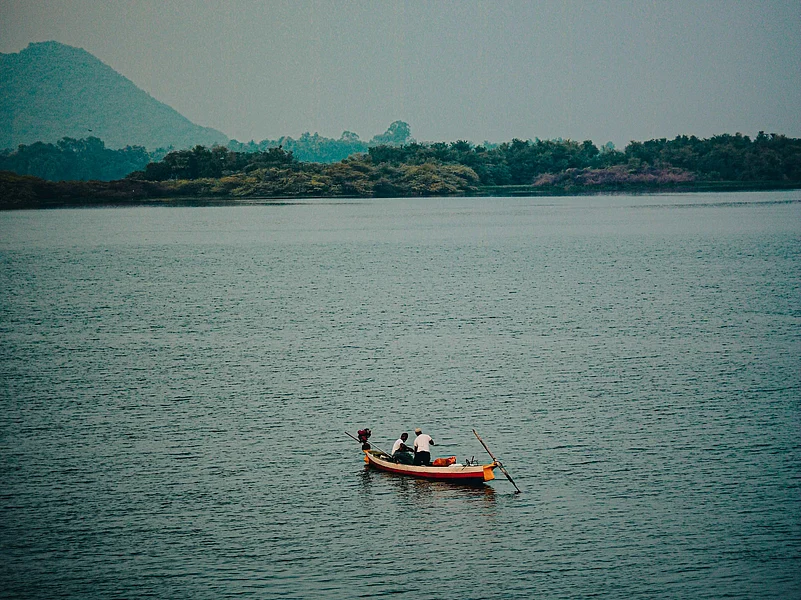

The push is not limited to the coastline. Earlier this month, Andhra Pradesh signalled similar ambitions inland with a large-scale water sports event at Punnami Ghat in Vijayawada. Hosted along the Krishna River, the two-day competition brought together hundreds of participants for jet skiing, kayaking and banana boat rides, drawing attention to the city’s untapped potential as an adventure tourism destination.
Punnami Ghat has traditionally been associated with river cruises and religious tourism, thanks to its proximity to landmarks such as the Prakasam Barrage and Kanaka Durga Temple. But officials now see the riverfront as something far more dynamic. Plans are being discussed to develop permanent tourism infrastructure around the site, including safety stations, spectator areas and training centres that could support recurring events rather than one-off festivals.
The larger idea is to integrate adventure activities into destinations that already attract travellers for other reasons. In Vijayawada’s case, the aim is to combine river sports with heritage and leisure, allowing visitors to experience the city through a more contemporary lens. For local businesses, that shift could also mean a broader tourism economy that extends beyond hotels into restaurants, transport services and handicraft markets.
Larger State Vision
These local projects are unfolding against a much bigger tourism blueprint. Just days before the Chirala launch, the Centre responded positively to Andhra Pradesh’s tourism proposals worth INR 915 crore, giving the state fresh momentum in its efforts to expand infrastructure across religious, cultural and leisure destinations.
The proposals include upgrades under the PRASAD and Swadesh Darshan schemes, covering temple towns, heritage sites, beaches, and Buddhist circuits. Destinations such as Machilipatnam, Lambasingi, Lepakshi, and Nellore are among those expected to benefit, while Tirupati and Visakhapatnam are being positioned for stronger international tourism appeal.
Taken together, the recent launches in Chirala and Vijayawada suggest that Andhra Pradesh is trying to redefine itself as more than a pilgrimage state. By combining coastal adventure, riverfront recreation, and long-term infrastructure investment, it is slowly building a tourism model that feels broader, more contemporary and perhaps more in tune with the way travellers are choosing destinations today.
FAQs
1. What is the Dive Chirala initiative?
It is a tourism project introducing water sports and aerial activities at Panduranga Beach in Chirala.
2. Why is Andhra Pradesh focusing on adventure tourism?
The state sees adventure tourism as a way to create jobs and attract younger travellers.
3. Which places are part of this tourism push?
Chirala, Vijayawada, Visakhapatnam, Machilipatnam and several heritage destinations are included.
4. What activities are being introduced?
Jet skiing, kayaking, banana boat rides and aerial coastal experiences are among the new attractions.
5. How is safety being managed?
District authorities are creating committees to monitor tourism operations and enforce safety standards.