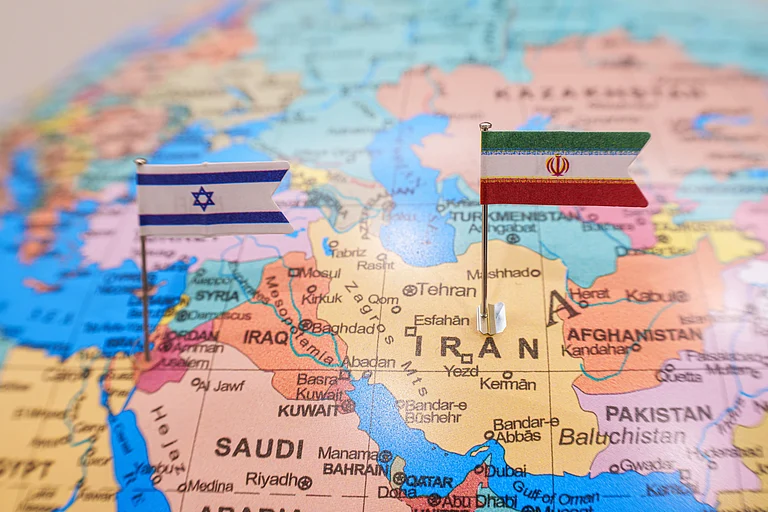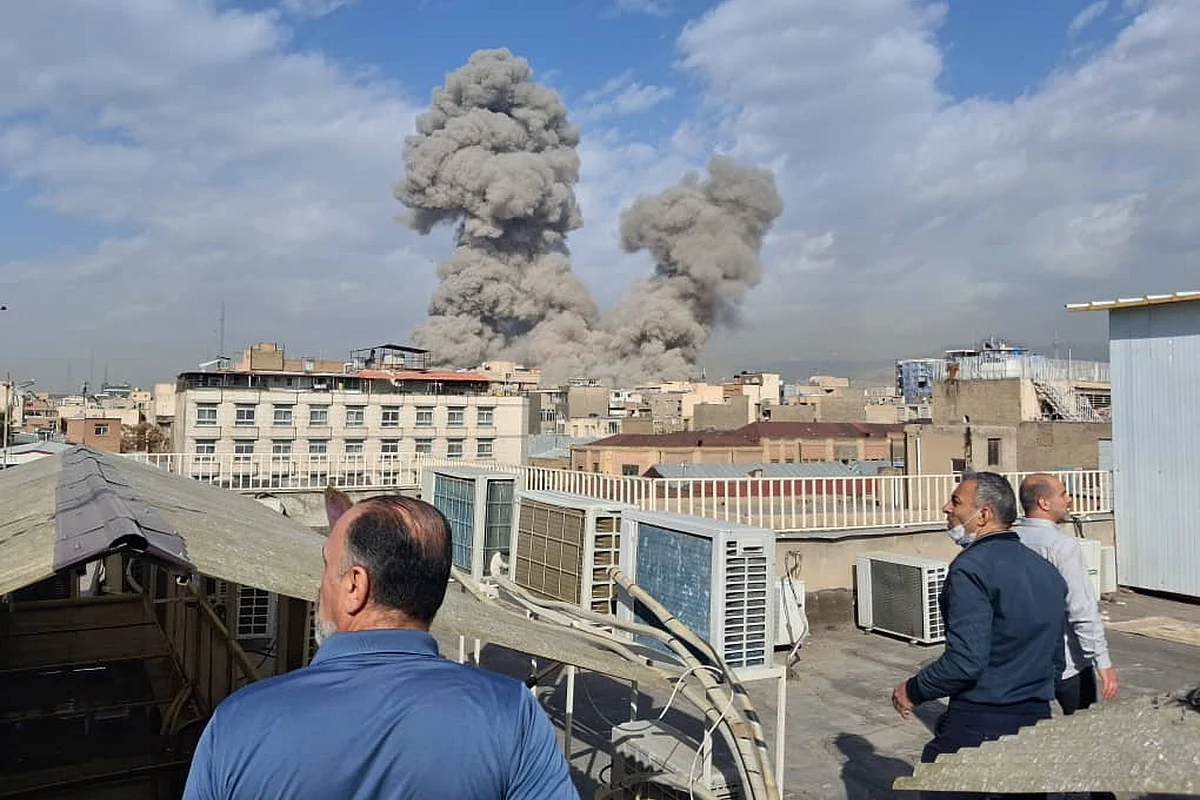
Iran has threatened recreational and tourist sites worldwide, while reiterating its missile development programme and issuing a defiant statement from Supreme Leader Ayatollah Ali Khamenei on Friday, amid rapidly escalating regional tensions.
The warnings come as the United States steps up its military posture, reportedly deploying additional warships and around 2,500 Marines to the West Asia, three weeks into the conflict it launched alongside Israel.
In a further escalation on Saturday, Iran’s military warned the United Arab Emirates against allowing attacks to be launched from its territory targeting two disputed islands in the Gulf, near the strategic Strait of Hormuz. It also threatened to strike the city of Ras Al Khaimah if its warnings were ignored.
IRGC Warns UAE
Authorities in Dubai said on Saturday that loud explosions heard across parts of the city were caused by successful air defence interceptions, highlighting the widening spillover of hostilities into the Gulf.
Iran’s Islamic Revolutionary Guard Corps (IRGC) warned that the Emirati city of Ras Al Khaimah could be targeted if Iranian-controlled islands—Abu Musa and Greater Tunb—come under renewed attack.
The developments come amid escalating Iranian retaliation following Israeli strikes on Iran’s South Pars gas field, further intensifying tensions between Israel and Iran.
Middle East Tourism Hit
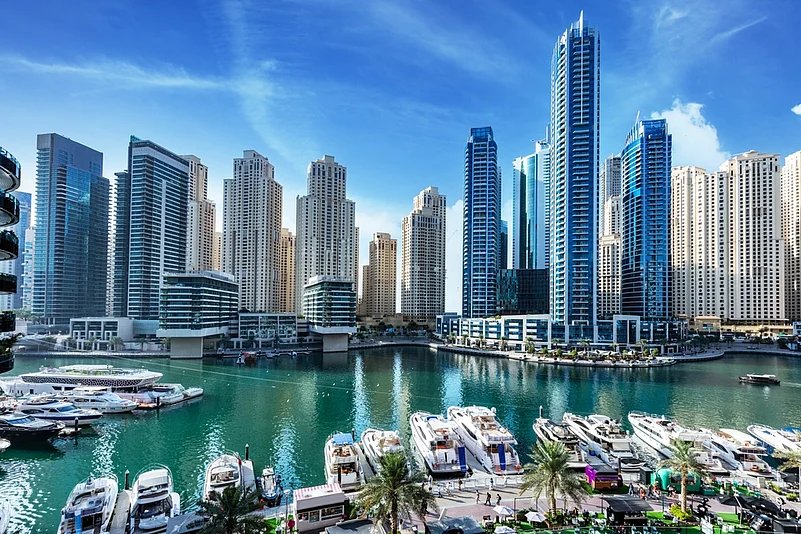

The conflict between Iran, Israel and the United States, which erupted in late February 2026, has severely disrupted global tourism, with estimated daily losses of around $600 million in visitor spending.
Inbound travel to the Middle East is projected to fall by 11% to 27% in 2026, equal to a loss of up to 38 million visitors, as a period of strong growth is reversed. Major hubs including Dubai, Doha and Abu Dhabi have faced airspace disruptions, affecting global transit flows. Tourism is also expected to plunge across the region, with arrivals to Israel down and travel to Iran largely stalled, while Gulf states report hotel closures and cancelled events.
The fallout has spread globally, with over 21,000 flight cancellations as airlines reroute between Europe and Asia, pushing up costs and travel times. Security alerts following Iran’s warning that tourist sites worldwide could be targeted have triggered fresh safety reviews, while countries such as Turkey, Thailand and India are also reporting sharp drops in arrivals and bookings.
FAQs
How has the Iran–Israel–US conflict affected global tourism?
The conflict has sharply disrupted global travel, especially in the Middle East, causing flight cancellations, airspace restrictions and a steep drop in international arrivals.
How much are tourism losses estimated to be?
The industry is losing an estimated $600 million per day in visitor spending due to the ongoing disruption.
Which countries are most affected?
Israel has seen a projected 57% drop in tourism, while Iran is experiencing a near standstill. Regional hubs like Dubai, Doha and Abu Dhabi are also facing disruptions.
Why are security concerns increasing globally?
Iran’s warning that recreational and tourist sites worldwide could be potential targets has led to heightened security reviews in several countries.
Are tourist destinations within the region still operating?
Yes, but with disruptions. Some hotels and venues remain open, while others have partially shut down or cancelled major events due to falling demand.