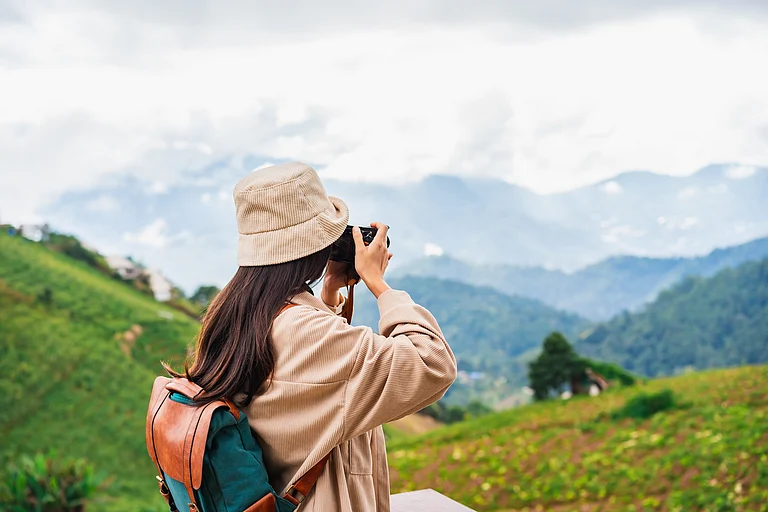


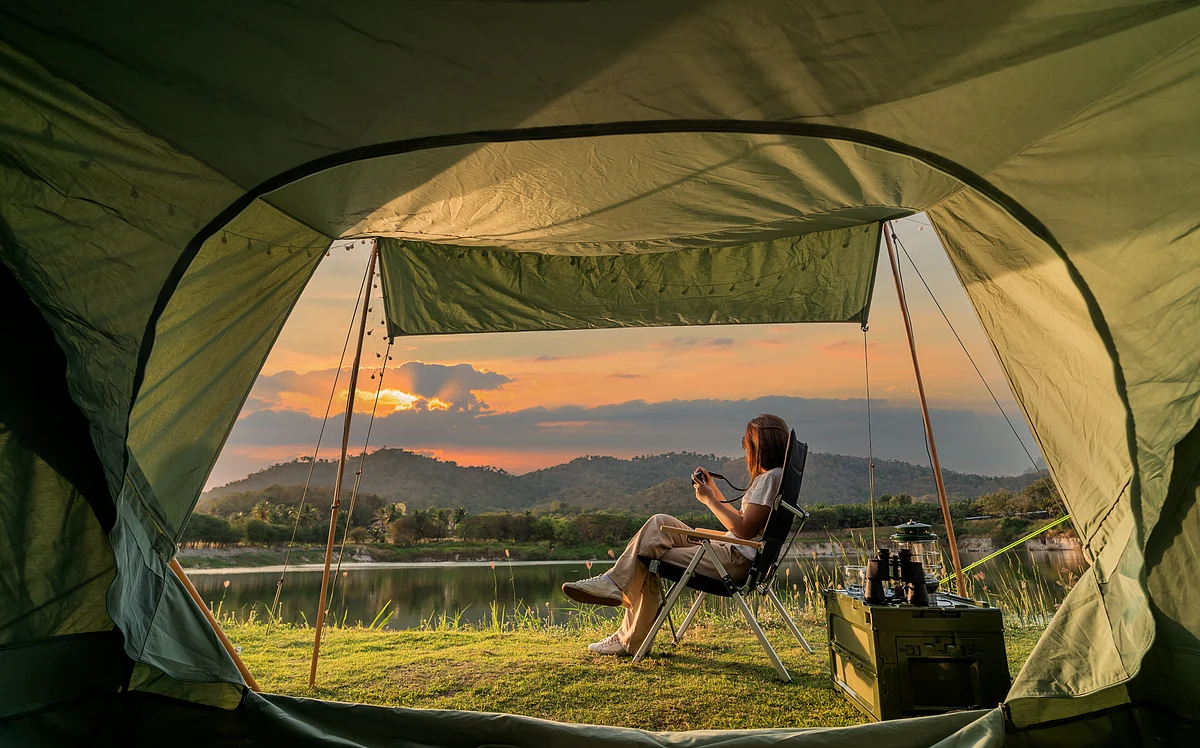
Solo women travellers often face issues with safety. In Himachal Pradesh, this concern has come into sharper focus as more visitors set out alone across its hill towns and high-altitude routes. The state government has responded with its She Travel Policy, a plan aimed at improving the sense of safety and basic support available to women on the move. It is also expected to make solo travel feel more approachable, particularly for those looking to experience the region’s landscapes and local culture without relying on group arrangements.
Redrawing Safety Issues
Some of the concerns raised by women travelling alone in Himachal Pradesh have lingered for years, particularly around harassment and misleading practices within the tourism sector. The She Travel Policy attempts to respond to these issues by reworking how safety and infrastructure are approached, with a greater focus on women’s needs. It sets an ambitious goal of increasing the share of solo female travellers from roughly 18 per cent to 35 per cent within three years. At the same time, the plan points to a wider effort to build a tourism system that offers safer conditions, more dignified facilities, and stronger economic opportunities linked to the sector.

Ongoing Consultations
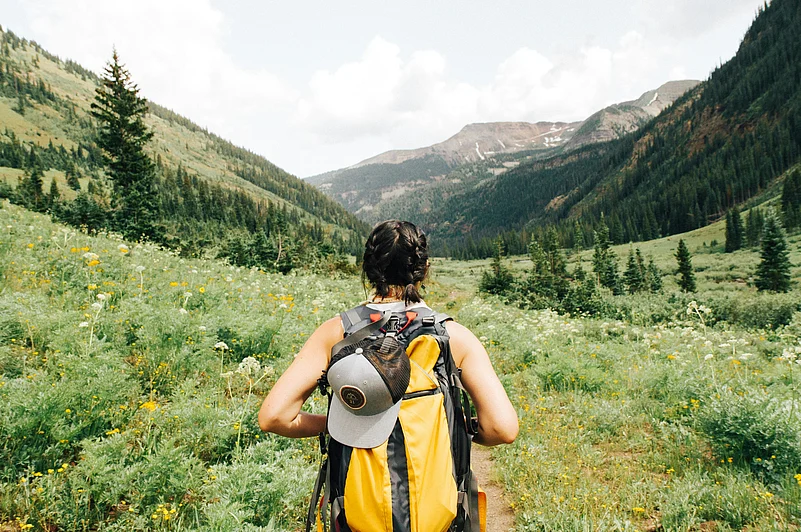
Officials in Himachal Pradesh say the policy is still at the draft stage and is being shared with stakeholders for feedback. Vinay Dhiman, the tourism development officer for Kangra, said discussions are already under way with those linked to the sector. “We are holding wide consultations on this policy with tourism stakeholders and have already conducted one meeting in Dharamshala. We will soon convene another meeting in Bir involving all stakeholders, as a large number of solo travellers, especially women, visit the Bir-Billing area,” he said.
Annual Gender Audit And More
The draft policy sets out a range of steps that go beyond simply increasing the number of women travelling alone in Himachal Pradesh. It proposes measures to bring down safety-related incidents involving women tourists, while also introducing a system to register and certify accommodation that meets women-friendly standards.
Another provision under consideration is an annual gender audit of tourism infrastructure, a move that would make the state one of the first in the country to adopt such a requirement.
A separate part of the proposal focuses on how these changes would take shape in practice. It suggests creating a dedicated section within the state’s tourism website aimed at women travelling on their own, bringing together relevant information in one place.
It also calls for safety checks across more than 200 tourist locations over the course of a year, along with the introduction of trained female personnel, referred to as SheGuards. In addition, registered accommodation would be expected to put in place measures such as CCTV coverage and panic buttons, intended to offer an added layer of reassurance for visitors.
Old Wine, New Bottle
In recent years, many states have rolled out tourism campaigns. Several of these have faced criticism. Critics say they are often little more than old initiatives in new packaging.
In January, Himachal Pradesh launched the 'That's You' campaign. It promotes “slow tourism” and immersive travel. The campaign encourages visitors to explore lesser-known villages and connect with local culture. It also focuses on welcoming tourists at key entry points, including Gaggal and Bhuntar airports, state borders, and the Kalka-Shimla toy train.
Not A Good Image
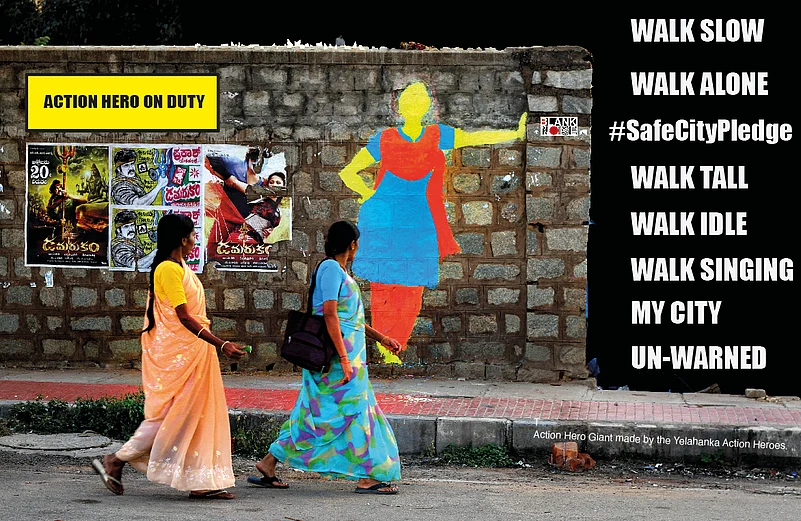
In India, women’s experience of public spaces remains unequal, marked by safety concerns and harassment. Initiatives like Why Loiter and Blank Noise challenge these barriers and reimagine safer, inclusive cities.
Many women travellers in India say that they face significant safety risks, including sexual harassment, unwanted attention, and safety concerns, especially at night.
Key risks include staring, harassment, and severe cases of sexual assault, often prompting warnings for caution.
Common Negative Experiences
Harassment and Staring: A frequently reported issue is constant staring, "eve-teasing" (sexual harassment), and uncomfortable, intense attention from men, say reports in international media and platforms like World Nomads.
Unwanted Attention/Photo Requests: Many solo women find requests for selfies to be overly aggressive or harassing.
Safety Threats: There have been documented cases of violent crimes, including sexual assault against foreign tourists in various parts of India. Several countries have safety advisories in place for India. The US Department of State advises high caution for women travelling alone in India, according to their travel advisory.
Regional Variation: Of course, experiences can differ. Some travellers report that they feel safer in southern regions like Kerala. North India, specifically Delhi, Rajasthan, and Uttar Pradesh, reports the highest incidents of harassment against women travellers, often involving sexual harassment and stalking, especially at popular tourist spots. South India and North-East India are generally considered safer.
FAQs
Who does the She Travel Policy cover?
Women travelling alone anywhere in Himachal Pradesh.
How does it make travel safer?
Through trained female marshals (SheGuards), CCTV, panic buttons, and safety audits at tourist spots.
Does the policy address harassment or misleading practices?
Yes, it aims to reduce incidents of harassment and ensure more trustworthy tourism services.
Will accommodations be women-friendly?
Yes, hotels and lodgings must meet certified women-friendly standards.
Is there online support for solo travellers?
A: A dedicated sub-portal on Himachal Pradesh’s tourism website provides information and assistance.
What is the main aim of the policy?
To double solo female tourist arrivals from 18% to 35% within three years and create a safer, inclusive tourism experience.