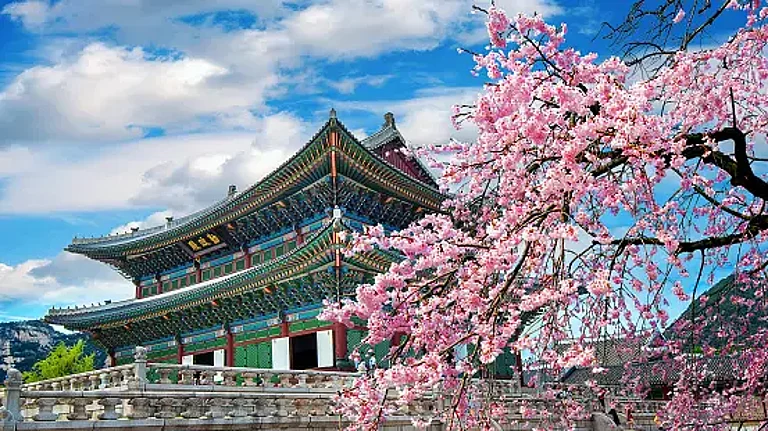



Japan has long perfected the art of balancing heritage with modernity—ancient temples standing quietly beside neon-lit streets, centuries-old tea rituals unfolding in cities powered by cutting-edge technology. But as the country’s global appeal continues to surge, the delicate balance between welcoming visitors and preserving everyday life is being tested. Now, Japan is turning to a familiar yet evolving solution: tourism taxes.
From July 2026 onward, travellers visiting Japan will encounter a growing network of accommodation levies and a higher international tourist departure tax, part of a broader strategy to manage overtourism while reinvesting in tourism infrastructure. The move signals a shift in how one of the world’s most popular destinations is approaching the future of travel—less about sheer visitor numbers and more about sustainability and community impact.
Rising Tourist Levies
Japan already introduced an international tourist tax in 2019, but the government has now approved a significant increase. From July 2026, the departure tax will rise from JPY 1,000 to JPY 3,000 per person. The fee applies to all travellers leaving Japan by air or sea and is automatically included in airline or cruise ticket prices. Young children under the age of two are typically exempt.
While the increase may seem modest for individual travellers—roughly an additional USD 18–20—it reflects a larger strategy to fund improvements in tourism infrastructure. Revenue from the tax is expected to support airport upgrades, smoother transport networks, multilingual information services, and regional tourism development projects across the country.
Japan’s tourism rebound since the pandemic has been dramatic. Major destinations such as Tokyo, Osaka, and Kyoto are once again seeing record visitor numbers, putting strain on public transport systems, historic districts, and local services. Authorities increasingly see tourism taxes as a practical way to ensure visitors contribute directly to maintaining the destinations they enjoy.
Local Hotel Taxes
Alongside the departure tax, Japan’s accommodation tax system is expanding rapidly. Unlike a nationwide fee, lodging taxes are set locally, allowing prefectures and cities to tailor rates according to tourism pressure and policy goals. By early 2026, at least 20 municipalities and prefectures have either introduced or approved accommodation levies on overnight stays.
In many regions, the additional cost remains relatively small. Most cities charge between JPY 100 and JPY 500 per person per night, depending on the price of accommodation. Budget stays typically attract the lowest bracket, while higher-priced hotels fall into higher tiers. These taxes are usually added to hotel bills and paid at check-out.
Hokkaido, one of Japan’s most popular nature destinations, has approved a sliding-scale tax based on room price. Meanwhile, Hiroshima has introduced its own accommodation levy to help fund tourism infrastructure and visitor facilities. Local authorities intend to channel the revenue toward improvements such as transport networks, better signage, expanded public amenities, and improved management of tourist sites.
Other destinations—including Miyagi Prefecture, Sendai City, Gifu City, and the coastal town of Yugawara in Kanagawa—are implementing similar systems. Okinawa, Japan’s tropical island prefecture, is preparing a different approach: a 2 per cent tax on accommodation bills beginning in fiscal 2026.
Kyoto Leads Shift


Kyoto, perhaps the country’s most iconic cultural destination, has taken the most dramatic step. The city approved Japan’s highest accommodation tax, which came into effect in March 2026. Under the revised system, the levy increases sharply with room prices.
Budget accommodation continues to carry a relatively modest fee, but mid-range hotels now face higher nightly taxes, and luxury properties may be charged up to JPY 10,000 per person per night. The policy aims to generate additional revenue while addressing the mounting pressures of overtourism in the city’s historic neighbourhoods.
Kyoto has long grappled with the challenges of popularity—from crowded buses and congested temples to residents navigating streets packed with visitors. Incidents involving tourists crowding the famous Gion district for photographs have further intensified discussions about responsible tourism.
Officials hope the higher tax will help fund heritage conservation projects, improve infrastructure, and protect the city’s cultural landscape. At the same time, it signals a broader shift in Japan’s tourism strategy toward attracting visitors who stay longer and contribute more to the local economy.
For travellers, the overall impact on trip budgets will likely remain manageable. A week-long stay in a mid-range hotel might add only a few thousand yen in taxes. However, for longer journeys across multiple cities—or luxury stays in places like Kyoto—the costs could accumulate.
Ultimately, Japan’s evolving tourism taxes reflect a growing global trend. As destinations grapple with the realities of overtourism, many are looking for ways to balance economic benefits with the well-being of local communities. In Japan’s case, the message is clear: visitors remain welcome, but the future of travel here will increasingly be about sustainability, thoughtful planning, and ensuring that tourism benefits both travellers and the places they visit.
FAQs
1. When will Japan’s new tourist tax increase take effect?
The international tourist departure tax will rise from JPY 1,000 to JPY 3,000 starting July 2026.
2. How is the tourist tax collected in Japan?
The departure tax is automatically included in airline or cruise ticket prices and paid when leaving the country.
3. What are accommodation taxes in Japan?
These are local levies charged per person per night at hotels, ryokans, and guesthouses, set by individual cities or prefectures.
4. How much are the accommodation taxes in Japan?
Most regions charge between JPY 100 and JPY 500 per person per night, depending on the cost of the accommodation.
5. Why is Japan introducing and expanding tourism taxes?
The taxes help fund infrastructure improvements, manage overtourism, and support the preservation of cultural and natural sites.