

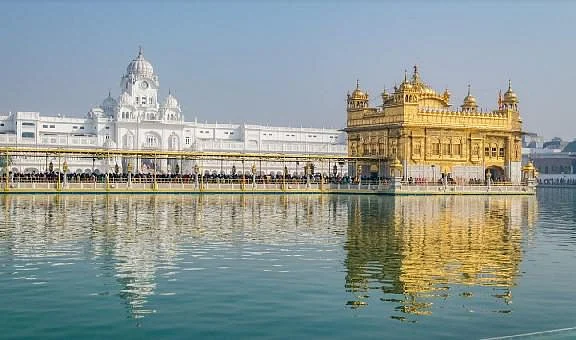
Amritsar is often approached through the gilded silhouette of the Harmandir Sahib, its reflection shimmering in the sacred pool as prayers rise over the marble parikrama. But the city has many more stories to tell. Beyond the Golden Temple's spiritual grandeur lies an Amritsar shaped by centuries of Sikh history, the upheavals of Partition, the legacy of India's freedom struggle and a food culture that has become an attraction in its own right.
Celebrated on November 24 in 2026, Guru Nanak Jayanti, also known as Gurpurab, marks the birth anniversary of Guru Nanak Dev, the founder of Sikhism. The occasion draws devotees to Amritsar, where prayers, kirtans, processions, and the tradition of langar mark the celebrations. For travellers extending their visit beyond the shrine, the festival also offers an opportunity to explore the city through its historic neighbourhoods, memorials, museums and everyday cultural traditions.
Jallianwala Bagh: Where History Stands Still
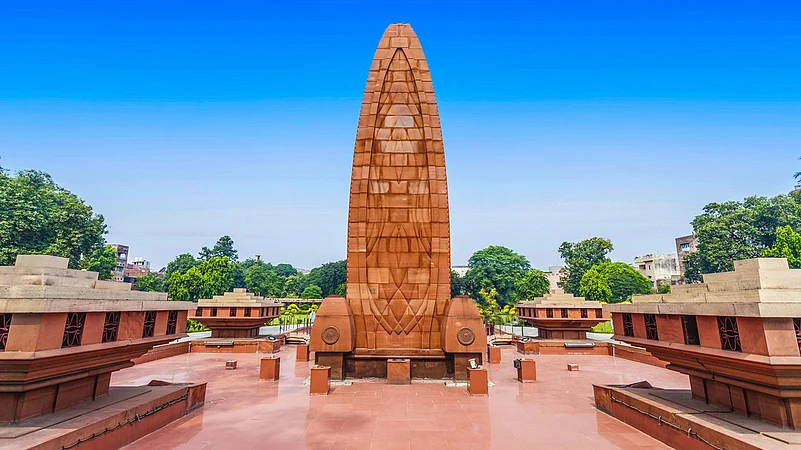

A short walk from the Golden Temple, Jallianwala Bagh is one of Amritsar's most significant historical sites. The garden witnessed one of the darkest episodes of India's freedom struggle on April 13, 1919, when British troops under Brigadier General Reginald Dyer opened fire on an unarmed gathering of people who had assembled there on Baisakhi.
Today, the memorial preserves several reminders of the massacre, including the bullet-marked walls and the Martyrs' Well, into which people reportedly jumped in an attempt to escape the gunfire. The complex also has galleries that document the events of that day and their place in India's struggle for independence. Walking through its narrow entrance and into the enclosed garden is a sobering experience. The site is not simply another historical stop to tick off an itinerary, but a place to pause and reflect on the human cost of colonial rule.
Gobindgarh Fort: Inside Punjab's Royal Past
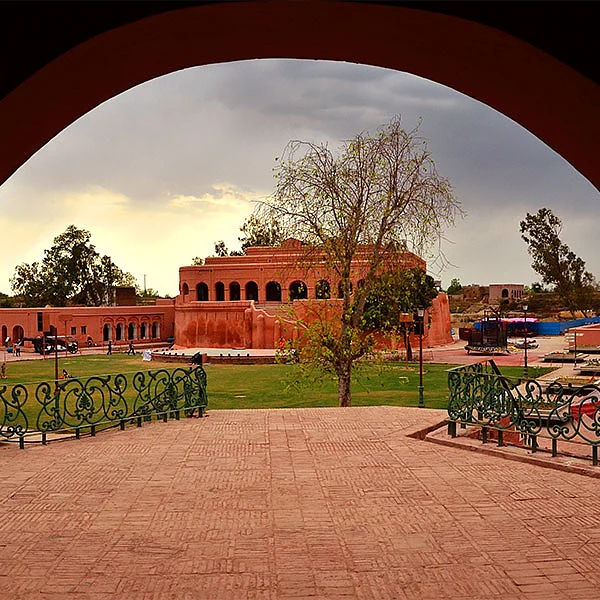
At the heart of Amritsar stands Gobindgarh Fort, an imposing military structure whose history is closely connected to the rise of Sikh power in Punjab. Originally built in the 18th century by the Bhangi Misl and later strengthened and developed under Maharaja Ranjit Singh, the fort once served as a strategic defence structure protecting the city. Its history is particularly interesting because it reflects the changing political fortunes of Punjab across different periods. The fort was also associated with the storage of the royal treasury, including the Koh-i-Noor diamond during Maharaja Ranjit Singh's reign.
Today, the restored complex functions as a heritage attraction, with museums, cultural performances, exhibitions and multimedia presentations. The Whispering Walls sound-and-light show is one of its notable experiences, using projections and storytelling to bring the fort's past to life. Visitors can also explore displays dedicated to Punjabi traditions, including the region's distinctive turban styles. For travellers who want to understand the military and cultural history of the Sikh Empire, Gobindgarh Fort makes for an engaging afternoon or evening excursion.
Ram Bagh: Tracing A Maharaja's Legacy

Away from the dense lanes of the old city, Ram Bagh offers a quieter glimpse into Amritsar's royal history. Also known historically as Company Bagh, the garden was developed during the reign of Maharaja Ranjit Singh and named in honour of Guru Ram Das, the fourth Sikh Guru and founder of Amritsar. At its centre stands the Summer Palace of Maharaja Ranjit Singh, a reminder of the ruler's presence in the city. The palace, with its architectural details and historical collections, provides an insight into the period when the Sikh Empire was at the height of its influence.
The adjoining Maharaja Ranjit Singh Panorama adds another dimension to the visit through displays depicting the ruler's life, military campaigns and the history of his empire. Together, the garden, palace and panorama make for a worthwhile heritage trail. Spend some time walking beneath the trees and exploring the surrounding historic structures. Ram Bagh is also a welcome change of pace from the crowded religious and commercial quarters of Amritsar.
Durgiana Temple: Beyond The Golden Shrine
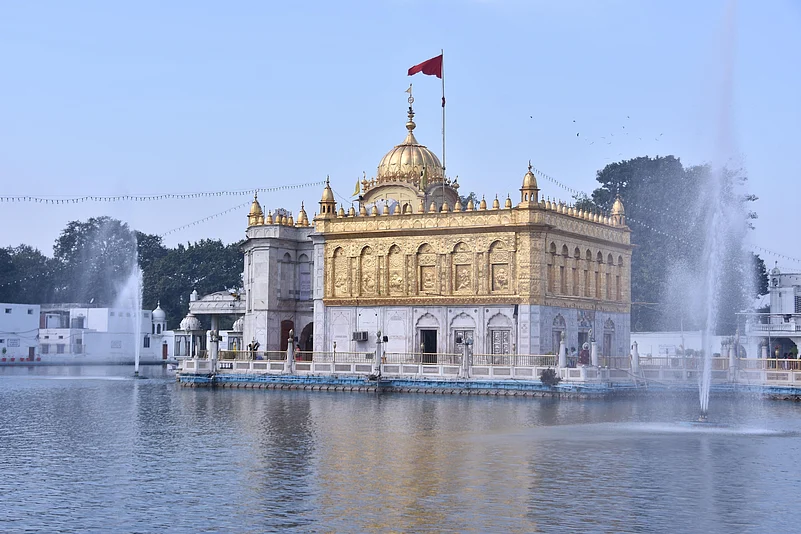
Often called the Silver Temple, Durgiana Temple is an important Hindu shrine dedicated primarily to Goddess Durga. Its architectural resemblance to the Golden Temple is immediately noticeable: the main shrine stands amid a sacred water tank, connected to the surrounding complex by a bridge.
Built in the early 20th century, the temple combines white marble surfaces, ornate detailing and a prominent dome. Its design draws on the architectural vocabulary of Sikh shrines, making it an interesting example of the region's shared visual heritage. The temple is also dedicated to other Hindu deities, including Lakshmi and Narayan. Its peaceful surroundings and reflective waters make it a worthwhile stop for travellers interested in Amritsar's diverse religious landscape. Visiting outside the busiest prayer hours can offer a quieter opportunity to appreciate the architecture.
The Partition Museum: Memories Across A Border
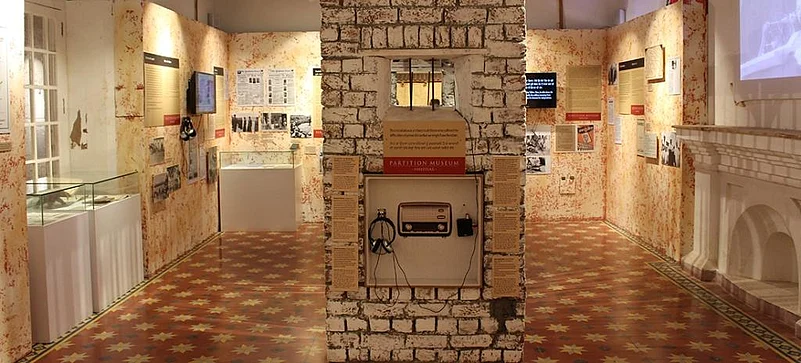
Housed in Amritsar's historic Town Hall, the Partition Museum offers a deeply personal account of the events of 1947. Rather than approaching Partition solely through political negotiations and boundary-making, the museum turns its attention to the people whose lives were irrevocably changed by the division of British India. Photographs, personal belongings, newspaper clippings, documents, recorded testimonies and oral histories bring visitors closer to the experiences of families forced to leave their homes, cross newly drawn borders and rebuild their lives in unfamiliar surroundings.
Amritsar, situated close to the India-Pakistan border, was among the cities deeply affected by Partition. The museum's collection gives visitors a way to understand the displacement, loss and resilience that shaped the region's modern identity. Allow yourself enough time to move through the exhibits rather than treating it as a quick stop. It is an especially meaningful visit for those interested in understanding Punjab beyond its religious landmarks.
Old City Bazaars: A Taste Of Amritsar
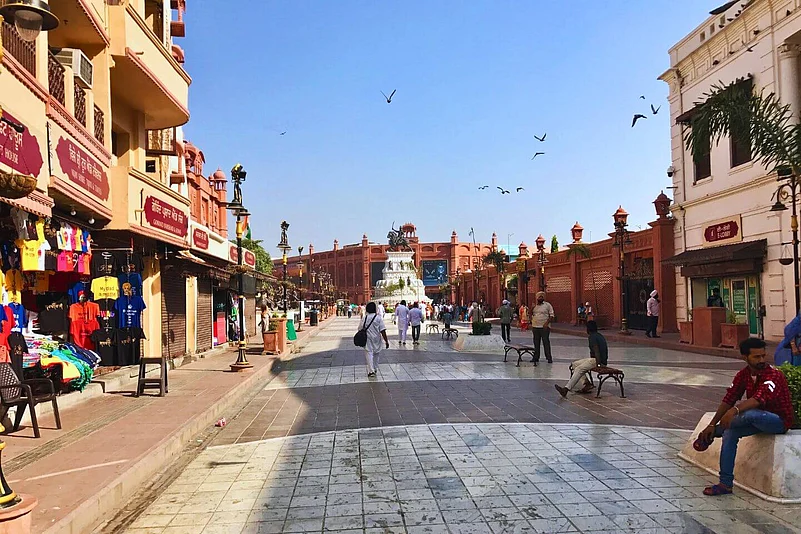
No visit to Amritsar is quite complete without spending time in its bustling markets. Hall Bazaar, one of the city's oldest shopping districts, is a good place to explore traditional Punjabi craftsmanship, embroidered textiles, phulkari dupattas, juttis and local souvenirs.
The food scene deserves equal attention. Amritsar is known for its kulcha, usually served with spicy chole, alongside generous glasses of lassi, parathas and traditional Punjabi sweets. The narrow lanes around the old city are dotted with long-established eateries, where recipes and culinary traditions have been passed down through generations. Rather than rushing between restaurants, take time to walk through the bazaars, sample local specialities and observe the everyday rhythms of the city. It is often in these ordinary encounters that Amritsar reveals its most memorable character.
As Amritsar celebrates Guru Nanak Jayanti, the city takes on a special sense of devotion. The sound of Gurbani, the glow of illuminated gurdwaras, the movement of Nagar Kirtans and the spirit of seva reflected in community langars become part of its streetscape. While the Golden Temple remains the heart of Gurpurab celebrations, exploring the city's historic landmarks, memorials and bustling bazaars offers another way to experience the occasion. Guru Nanak Dev Ji's teachings of equality, compassion, humility and selfless service resonate through the celebrations, making a visit to Amritsar on this day as much an opportunity for reflection as it is for discovery.
FAQs
1. When is Guru Nanak Jayanti in 2026?
Guru Nanak Jayanti will be celebrated on November 24, 2026, marking the birth anniversary of Guru Nanak Dev Ji, the founder of Sikhism.
2. What are the best places to visit in Amritsar beyond the Golden Temple?
Some notable attractions include Jallianwala Bagh, the Partition Museum, Gobindgarh Fort, Ram Bagh, Durgiana Temple, the Punjab State War Heroes' Memorial and the old city bazaars.
3. What can visitors explore at Gobindgarh Fort?
Visitors can explore its heritage museums, exhibitions, cultural performances and multimedia presentations, including the Whispering Walls sound-and-light show.
4. What is the Partition Museum in Amritsar known for?
The Partition Museum documents the human impact of the 1947 Partition through photographs, personal belongings, archival records and oral testimonies of people displaced during the division of British India.
5. How is Guru Nanak Jayanti celebrated in Amritsar?
The celebrations include devotional kirtans, Akhand Path, Nagar Kirtans, illuminated gurdwaras and community langars. The Golden Temple becomes a major centre of festivities, attracting devotees from across the country and beyond.