

Literary tourism isn’t exactly a new plot twist. For years, readers have been closing books, packing bags, and heading off to chase the worlds they first met on the page. Detective fiction, in particular, has loved to amalgamate mystery with movement, thereby making travel a major part of the thrill. And when it comes to crimes, clues, and persuasive destinations, Agatha Christie fits the bill perfectly.
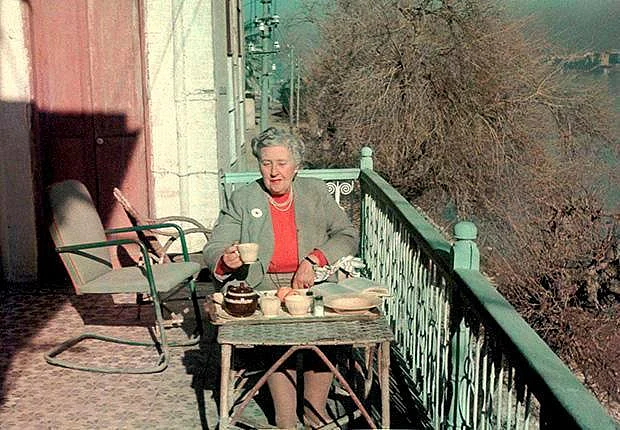
Widely acclaimed as the queen of crime fiction, Agatha Christie’s writing career spanned more than five decades, during which she wrote dozens of novels and short stories that continue to be read across generations. Her indomitable characters like Hercule Poirot and Miss Marple remain as recognisable today as they were when they first appeared on the page.
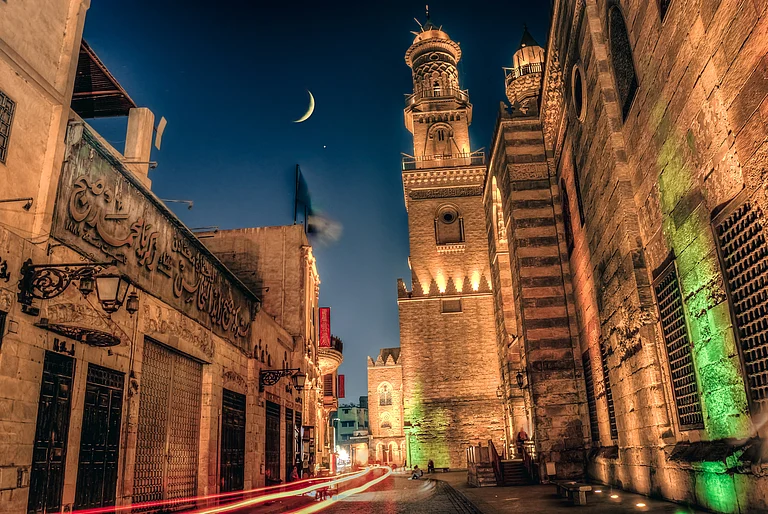
Christie’s experiences with travel were significant in determining her perspective on the world and the types of stories she would eventually write. Throughout much of her adult life, she travelled extensively throughout Egypt and the Near East, and her time spent in the region influenced her writing style significantly. The terrains she came across, from riverbanks and ruins to desert cities and ancient routes, seeped naturally into her stories. Some of her most compelling works are firmly rooted in these richly observed landscapes.
Death On The Nile: Cruising Egypt’s Ancient Heart


For many readers, 'Death on the Nile' conjures not just a murder mystery but an entire landscape. The slow sweep of the river, colossal temples rising from sand, desert heat softened by water and light. Published in 1937, the novel places Hercule Poirot aboard a luxury Nile steamer, where a tightly wound web of jealousy and obsession unfolds against Egypt’s most iconic setting.
Agatha Christie wrote much of the book while staying at the Old Cataract Hotel in Aswan, watching feluccas drift past her window, and tourists disembark for temple visits. The journey in the novel mirrors real 1930s Nile cruises that travelled between Luxor and Aswan, stopping near sites such as Karnak and Abu Simbel. Christie’s descriptions draw directly from her own experiences of Egypt, capturing the rhythm of river life, the intimacy of confined travel, and the ever-present weight of ancient history.
They Came To Baghdad: An Unusual Spy Trek Across Iraq
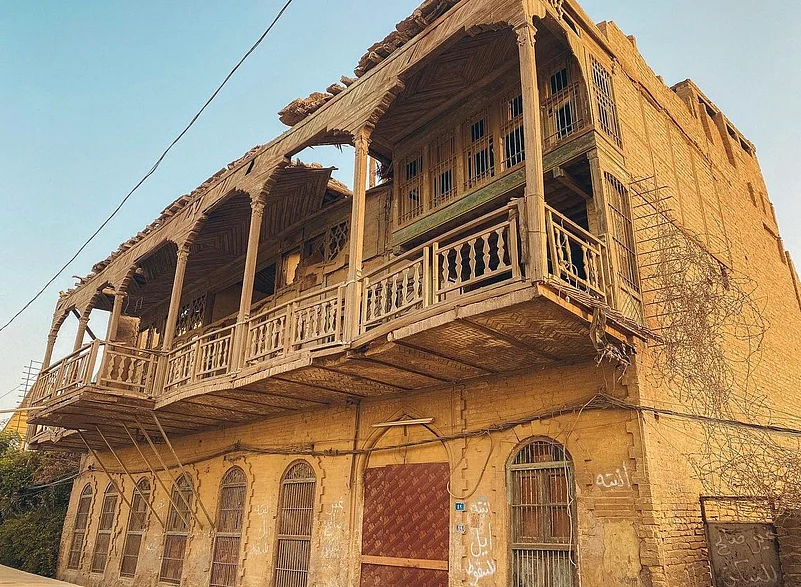
Published in 1951, 'They Came to Baghdad' stands apart from Christie’s classic detective novels. It is a fast-moving political thriller shaped by her extensive time in Iraq, particularly in Baghdad. The story follows Victoria Jones, a young British woman who arrives in the city on a whim and stumbles into international espionage tied to a secret diplomatic conference.
Baghdad is portrayed as coruscating and layered, its forgone past intersecting with modern political tension. Christie had travelled extensively through Iraq with her husband, archaeologist Max Mallowan, and knew the city as a crossroads of cultures and power. The novel moves through Baghdad’s streets, government compounds, and desert outskirts, evoking a mid-twentieth-century Middle East on the brink of global change.
Murder In Mesopotamia: Among Iraq’s Ancient Ruins
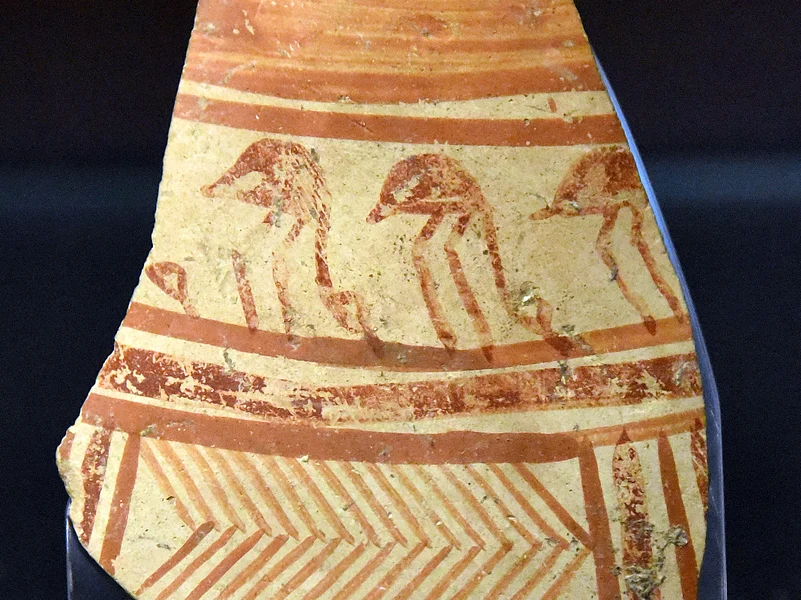
'Murder in Mesopotamia,' published in 1936, is Christie’s most direct literary reflection of her life on archaeological digs. The plot is set at a remote archaeological site in Iraq, drawing from the author’s own experiences living in tents with archaeologists and other workers at sites like Ur and Chagar Bazar. Christie sets the scene realistically, describing how the dust, heat, isolation, and social strata around a dig camp contribute to the undertone of the book. She presents the excavation as a demanding, monotonous work punctuated by bursts of excitement and tension.
Murder On The Orient Express: Luxury Travel Meets Eastern Routes
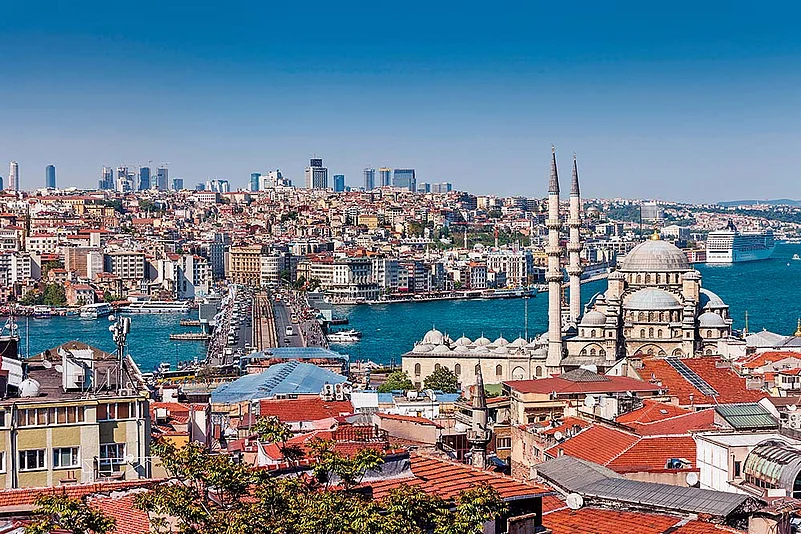
While much of 'Murder on the Orient Express' takes place inside a snowbound train, its roots lie firmly in Christie’s experiences of travel between Europe and the Near East. The story begins in Istanbul, a city Christie knew well from her repeated journeys to the Middle East. From there, Poirot boards the famed Orient Express, a symbol of interwar luxury and international movement.
Christie herself travelled this route multiple times, often carrying a typewriter with her en route to archaeological sites in Syria and Iraq. The train, filled with passengers from different nations and backgrounds, becomes a microcosm of a world still recovering from war. Though the novel’s action remains confined, its spirit is deeply connected to the romance and tension of long-distance travel across borders, cultures, and political realities.
Appointment With Death: Between Jerusalem And Petra
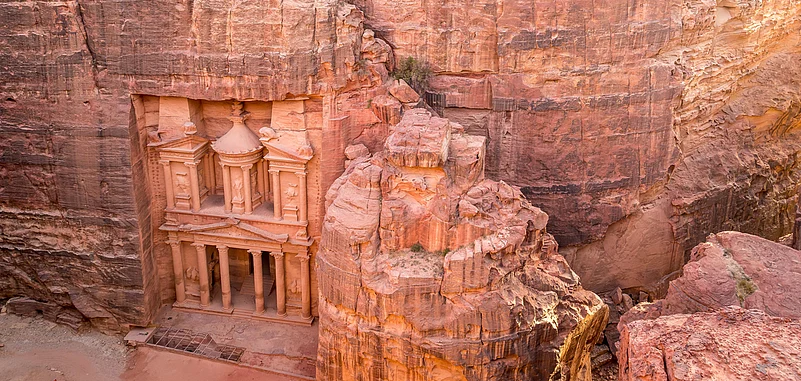
Published in 1938, 'Appointment with Death' rolled out in some of the most striking locations Christie ever used. The story moves from Jerusalem to Petra, the ancient Nabataean city carved into rose-red stone in present-day Jordan. Agatha Christie visited both cities during her lifetime and captured Jerusalem and Petra as she knew them.
Jerusalem is portrayed as complex and heavy, where beliefs, events and man’s struggles with himself compile to create an atmosphere of complexity. Petra is described as empty, full of emotion, with the vast cliffs and canyons taking on the added burden of an emotionally distorted family.
Death Comes As The End: A Murder In Ancient Thebes

'Death Comes as the End', published in 1944, is Christie’s most daring experiment with place and time. Set in Thebes around 2000 BCE, it abandons modern settings entirely and immerses the reader in ancient Egypt. Drawing on historical texts and academic research, Christie reconstructs daily life along the Nile with remarkable detail.
The backdrop is set in the homes of priests and scribes, with rivalries and grudges hidden in the daily lives of their rituals and family obligations. The river, the tombs and the cycles develop the character of the book. Egypt here is not a tourist's view of romance, hotels and big temples; it is the world of real Egyptians who live according to their beliefs and follow the social order, and who seek to stay alive.
Come, Tell Me How You Live: Christie’s Own Journey Through Syria And Iraq

Published in 1946, 'Come, Tell Me How You Live' is neither fiction nor mystery. It is Agatha Christie’s personal account of life on archaeological expeditions in Syria and Iraq alongside her husband. The author's account of her and her colleagues’ experiences excavating in northern Syria and Mesopotamia paints a detailed picture of the challenges and enjoyment associated with such work. In addition to sharing details about life on the excavations, such as broken tents from windstorms and long workdays under the sun, she also conveys warmth and humour through the stories she shares during the evenings spent socialising with her fellow archaeologists and their local workers. Instead of discussing the materials recovered from excavations, she provides an insight into daily life and rhythm while travelling for archaeological work. In addition, the author gives readers a clear picture of what the landscape looked like in northern Syria and the Mesopotamian region. This is achieved through a description of vast flatlands with ancient mounds where remnants of past civilisations emerge from the ground with every spade full of dirt.
FAQs
1. How did travel influence Agatha Christie’s writing?
Agatha Christie’s extensive journeys through Egypt, Iraq, Syria and the Near East deeply shaped her settings, atmosphere and sense of place, turning real landscapes into central elements of her stories.
2. Where was Death on the Nile inspired by?
The novel was inspired by Christie’s stays in Egypt, particularly in Aswan and on Nile cruises between Luxor and Aswan, where she observed river life, archaeology and tourism firsthand.
3. Did Agatha Christie live in the Middle East?
Yes. Christie spent long periods in Iraq and Syria with her husband, archaeologist Max Mallowan, living near excavation sites and in cities like Baghdad.
4. Which Agatha Christie novels are set in the Near East?
Key works include Death on the Nile, Murder in Mesopotamia, They Came to Baghdad, Appointment with Death, and Death Comes as the End.
5. Is Come, Tell Me How You Live a mystery novel?
No. It is a memoir that chronicles Christie’s real-life experiences travelling and working on archaeological expeditions in Syria and Iraq.