


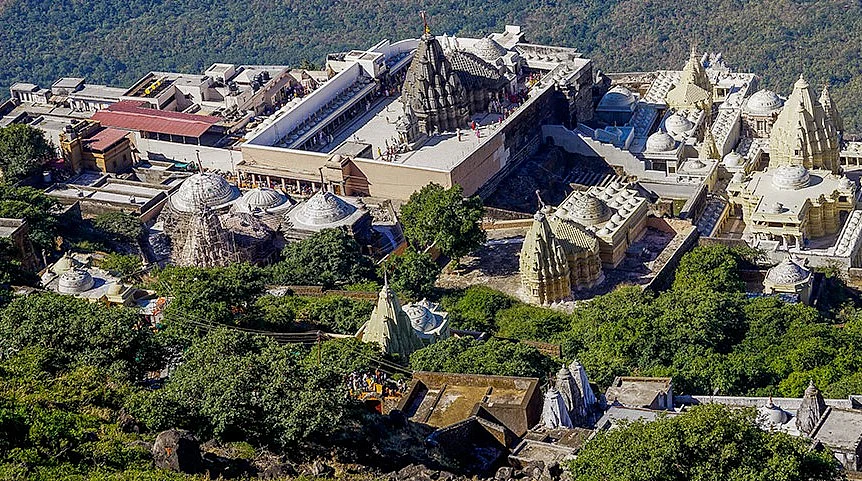
Junagadh in Gujarat is preparing to welcome lakhs of devotees for the annual Girnar Lili Parikrama, a five-day pilgrimage that takes participants through the forest surrounding the Girnar hills. Beginning on November 20 and continuing until November 24, the religious tradition involves walking approximately 36 km through forest trails, with Bhavnath Taleti serving as both the starting and finishing point.
After the pilgrimage was cancelled in 2025 due to heavy rainfall during its scheduled dates, it has returned this year with extensive arrangements for visitors. From additional state transport buses and community kitchens offering free meals to temporary medical centres and enhanced security, the district administration has put several facilities in place to manage the crowds. Whether you are travelling to Junagadh to participate in the pilgrimage or simply need to understand the arrangements before visiting the region, here is everything to know about Girnar Lili Parikrama 2026.
Dates And Route


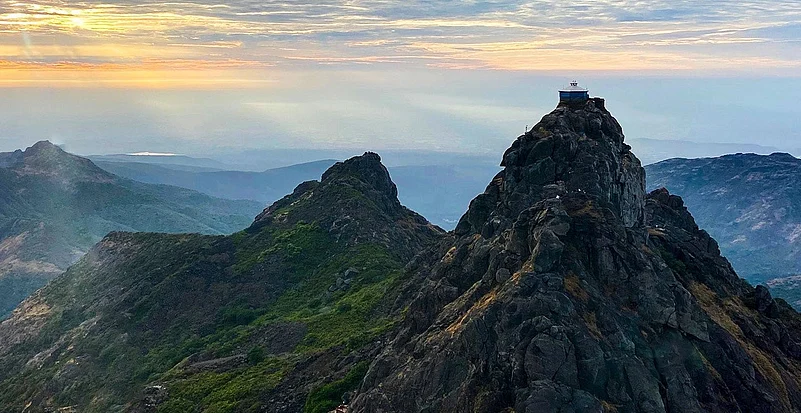
Girnar Lili Parikrama 2026 began at midnight on November 20 and will continue until November 24. The pilgrimage covers approximately 36 km, beginning and ending at Bhavnath Taleti, located at the foothills of the Girnar hills in Junagadh. The route passes through Zina Bava Ni Madhi, Malvela, and Bordevi, taking devotees through stretches of the Girnar forest.
The five-day pilgrimage is an important annual religious tradition in Gujarat, attracting large numbers of devotees who undertake the journey on foot. The route involves walking through forest terrain, making it important for participants to prepare for an extended journey. Those unfamiliar with the area should follow the designated pilgrimage route and avoid taking alternative forest trails.
The scale of participation has varied over the years. Around 12.19 lakh people took part in 2022, increasing to 16.25 lakh in 2023 before dropping to 7.84 lakh in 2024. The event could not be organised in 2025 because of rainfall during the scheduled period, making this year's arrangements particularly significant.
Transport And Safety
For visitors travelling from outside Junagadh, the State Transport Department has arranged 450 buses to facilitate movement during the pilgrimage. These include 50 mini-buses operating near the Bhavnath foothills, 230 buses connecting major cities, and 170 buses arriving from other transport divisions. The bus station will have eight queue lines and two additional ticket counters to manage passenger movement. GPS tracking and digital payment facilities will also be available, with more than 750 staff members deployed to oversee operations.
Traffic management arrangements have also been made around Bhavnath. Four entry points, two public parking areas, and six private parking areas have been identified for vehicles arriving from outside the city. A one-way traffic system will operate in the Bhavnath area to reduce congestion. Visitors travelling by private vehicles should account for possible traffic restrictions and follow the designated parking arrangements.
Security will be managed through more than 2,200 personnel, including police officers, home guards, and members of the Gram Rakshak Dal. The police will establish 40 security points across eight zones, supported by teams from the State Reserve Police and State Disaster Response Force. CCTV cameras will monitor the area, while three emergency routes will remain available. Around 400 LED lights have also been arranged along the pilgrimage route, with additional lighting in areas where wild animals have been spotted.
Food And Facilities
Medical assistance will be available at 11 temporary medical centres set up along the route, alongside eight additional medical teams. Ambulances will be stationed at six locations, while two mobile health units will move through the pilgrimage area. A temporary intensive care unit equipped with ventilators has been established at Nakoda Urban Health Centre. Devotees requiring further medical attention can also be taken to Timbawadi Community Health Centre. Special health checks, including blood pressure and heart-related examinations, will be available for elderly participants.
Drinking water and sanitation facilities have been arranged across the route. The Water Supply Board will draw water from 33 borewells, nine wells, and seven handpumps, with 50 storage tanks, each holding 5,000 litres, placed at different locations. More than 2,500 toilets have also been arranged, including free public facilities at eight locations, three mobile toilet facilities, and two pay-and-use facilities.
Food is another important part of the pilgrimage experience. Around 70 organisations have received permission to operate Annakshetras and Sadavrats, community kitchens where devotees can access free meals. Prasad will also be distributed at designated locations, allowing participants to find refreshments during the long walk.
Since the pilgrimage passes through the Girnar forest, visitors must follow certain environmental and safety guidelines. Carrying plastic bags and bottles, littering, smoking, and bringing items that could cause a fire are prohibited. Devotees have been advised to remain on marked trails and walk in groups rather than venture into the forest independently. Given the demanding nature of the 36-km route, families should also consider the physical requirements of the journey before bringing young children, elderly members, or people with mobility difficulties.
For travellers planning to participate, comfortable walking shoes, suitable clothing, and essential personal medication are worth carrying. It is also advisable to stay hydrated and make use of the medical facilities if required. With transport, food, sanitation, healthcare, and security arrangements in place, Girnar Lili Parikrama 2026 is expected to draw large crowds to Junagadh over the five-day period.
FAQs
1. When is Girnar Lili Parikrama 2026 being held?
Girnar Lili Parikrama is taking place from November 20 to 24, 2026.
2. Where does Girnar Lili Parikrama begin and end?
The pilgrimage begins and ends at Bhavnath Taleti in Junagadh, Gujarat.
3. How long is the Girnar Lili Parikrama route?
The route is approximately 36 km long and passes through Zina Bava Ni Madhi, Malvela, and Bordevi.
4. Are free meals available during Girnar Lili Parikrama?
Yes. Around 70 organisations will operate Annakshetras and Sadavrats offering free meals to devotees.
5. What facilities are available during Girnar Lili Parikrama?
Facilities include 450 state transport buses, 11 temporary medical centres, ambulances, drinking water points, and more than 2,500 toilets.