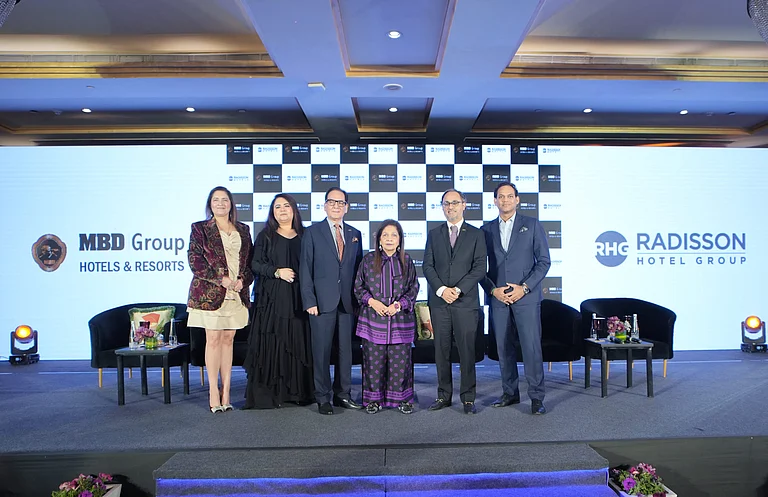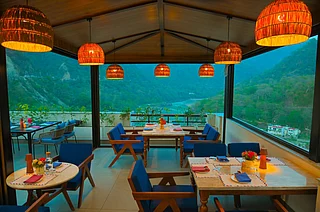
The idea of luxury living in India is evolving, with leading hospitality brands playing a key role. Buyers are increasingly looking beyond ownership, prioritising the consistency, service, and operational ease associated with hotels. At the same time, hospitality players expand into residential formats, introducing private residences and serviced apartments that bring short-stay comfort into everyday living.
One of the world’s leading property advisors, Savills, reported that by the end of 2025, the branded residences market had grown to 910 projects worldwide, marking a nearly 20 per cent year-on-year increase. India now plays a significant role in this expansion, ranking sixth globally, with supply growing by 160 per cent over the past decade, according to Knight Frank's Residence Report India.
What Are Branded Residences?
Branded residences are luxury homes developed in partnership with established hospitality or lifestyle brands. In simple terms, they give you the sense of home with the comfort, service, and design typically associated with high-end hotels.
These projects range from hotel-linked residences, which share services with an adjoining hotel, to standalone branded homes that offer similar services without a hotel on-site, as well as non-hotel branded residences led by luxury lifestyle or design brands.
Why Luxury Hospitality Is Expanding Into Branded Residences

A Shift From Ownership To Experience
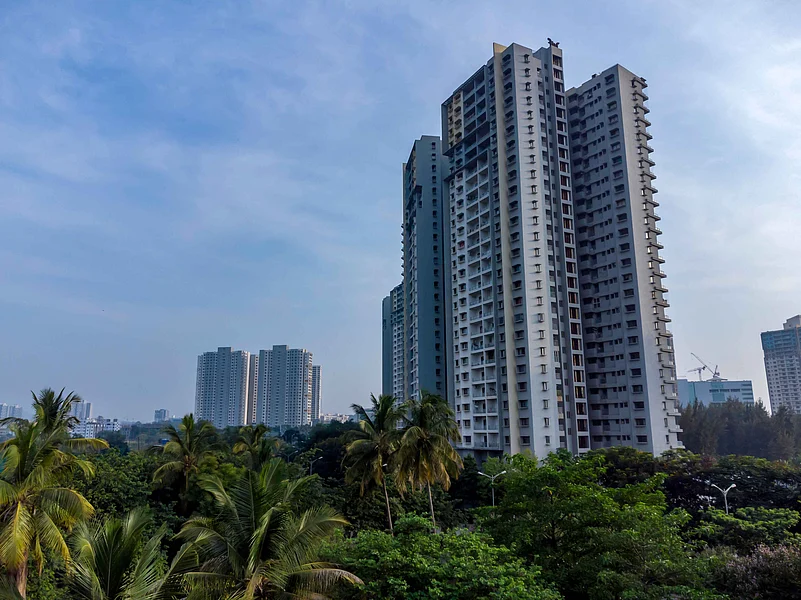
The move into branded residences is being driven by a clear shift in buyer expectations. Today’s luxury homebuyer is no longer focused solely on ownership, but on the quality of everyday living.
“From what we're seeing at Westin Residences Gurugram by Whiteland Corporation , buyers today are not just looking for a beautiful home, they’re looking for a complete, managed lifestyle,” said Sudeep Bhatt, Director Strategy, Whiteland Corporation. “It’s no longer just about square footage or finishes; it’s about how you live every day. And that’s where branded residences clearly stand apart.”
According to him, branded residences bring together three elements that traditional luxury homes often struggle to deliver consistently: global standards of design and service, operational excellence through hospitality-led living, and the trust and credibility of a global brand.
The Power Of Brand Trust
Alongside experience, trust is emerging as a key factor in buyer decision-making, particularly in a market that continues to evolve.
“In uncertain times, buyers gravitate toward reliability, and a globally recognised brand provides that reassurance, both emotionally and financially,” Bhatt added.
According to Savills, a brand name can add up to 30 per cent to a home’s value, with premiums often higher in emerging markets like India. Beyond perception, branded residences also tend to be better maintained over time, helping preserve long-term value and resale potential.
As Robin Mangla, President, M3M India, noted, branded developments offer “assurance, consistency, and a lifestyle anchored in global luxury trends,” while also providing stronger resale potential and sustained rental demand, key factors for both end-users and investors.
A New, Experience-Driven Buyer
Bhatt noted that a new buyer profile is emerging. While traditional investors remain active, a younger, more globally exposed demographic is entering the market.
“This new-age buyer is well-travelled and values experience over just ownership. They’re not just buying a home, they’re buying into a lifestyle that aligns with how they already live globally,” he shared.
As Ashish Jerath, President – Sales & Marketing, Smartworld Developers, explained, “India is moving on the path to rising income levels and adding the highest numbers of millionaires in the world to its economy. This rising affluent class is living the same lifestyle and aspiring for global standards and luxury brands as the rest of the world... This is a natural evolution of customer behaviour, which, as income levels rise, shifts from basic needs to rich amenities and then to branded luxury, something seen earlier in markets like the US, Singapore, and the UAE.
Today’s customer is seeking the same amenities, designs, and branded luxury options in their home in India. What was once aspirational has quickly become an expectation.”
Echoing this, Sidharth Chowdhry, Managing Director, Dalcore, noted that buyers are increasingly seeking “a complete, curated lifestyle,” where design, brand association, and overall living experience play a central role.
Beyond Hospitality: The Rise Of Brand-Led Living

While hospitality brands have led this evolution, the model is now expanding beyond hotels. A growing number of non-hotel brands are entering the residential space.
According to Chowdhury, luxury today is increasingly design- and experience-led. Non-hotel brands bring a unique identity and global appeal, making homes more aspirational and differentiated.
For developers, these collaborations offer a way to stand out in an increasingly competitive market, while for buyers, they add a layer of identity and aspiration to the home itself.
Design Vs Service: Two Distinct Models
As the segment grows, two distinct approaches to branded living are becoming more define, one led by service, the other by design.
“A fashion brand’s involvement in residential development is fundamentally design-led,” explained Robin Mangla, President, M3M India. “The focus is on creating a distinctive design language and a sense of exclusivity.”
In contrast, he pointed out that hotel-branded residences are “primarily service-driven, with value anchored in hospitality standards such as concierge services, housekeeping, and professionally managed programmes.”
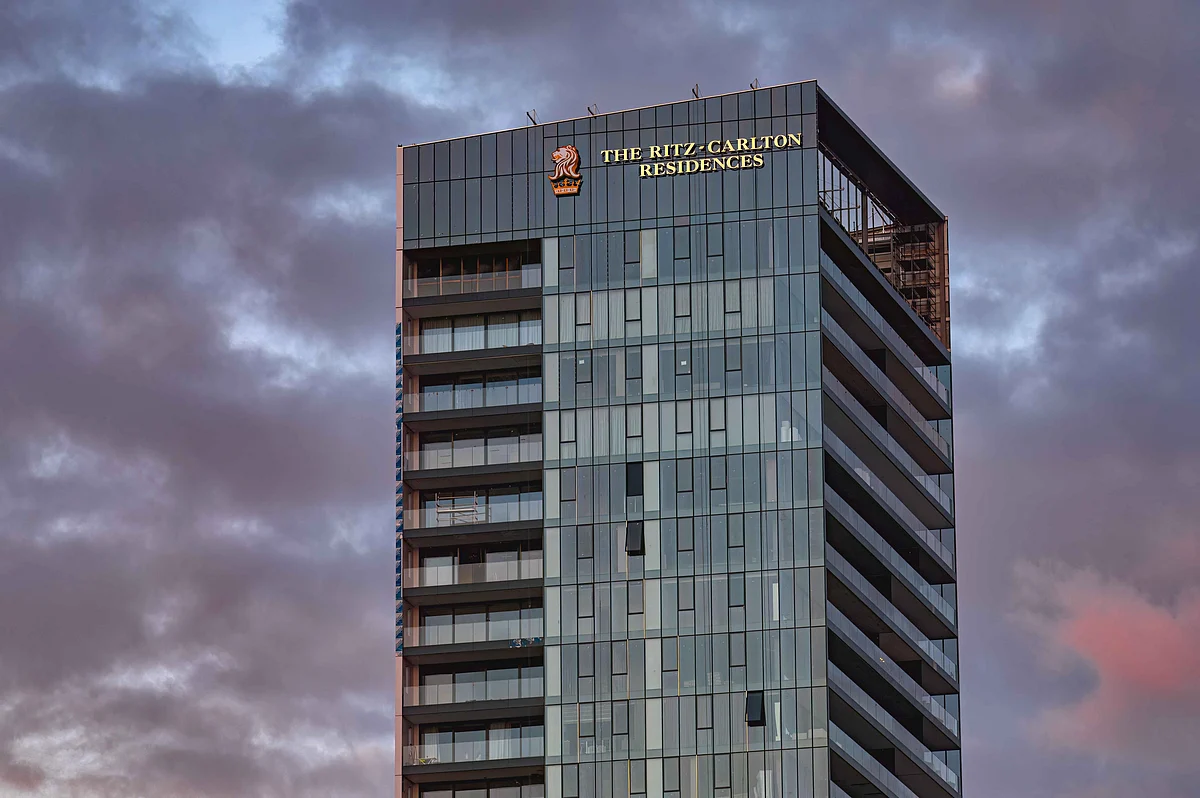
Marriott International continues to lead the global pack, with its Ritz-Carlton and St. Regis brands setting the benchmark for service-driven living. In India, IHCL (Taj) is making significant waves with its recent expansion into Noida’s ultra-luxury segment, while the Westin Residences Gurugram has become a flagship for large-scale, hotel-managed living.
On the design-led side, the area is dominated by 'haute couture' living. M3M’s partnership with Elie Saab is a prime example of bringing runway aesthetics to the Delhi-NCR skyline. Globally, the entry of automotive icons like Bugatti and Bentley, alongside fashion staples like Armani/Casa and Versace, has turned homes into wearable art.

Looking Ahead: The Future Of Luxury Living
As these trends converge, the definition of luxury living is set to shift even further.
Jerath believes the market is approaching a decisive turning point. He said, “We are on the cusp of a definitive shift, where high-net-worth individuals are increasingly seeking internationally accredited homes that signify not just design excellence, but legacy, prestige, and a high-end lifestyle.
Today, consumers are not just purchasing assets, they are buying identity, exclusivity, and best-in-class living experiences. Branded residences are clearly driving the next chapter of premium real estate in India.”
With a growing emphasis on service, wellness, sustainability, and community, luxury housing in India is moving towards fully managed, experience-led ecosystems designed for long-term living. But looking ahead, the challenge for developers will be moving from the 'promise' of a brand to the daily 'performance' of hospitality.
FAQs
1. What are branded residences?
Branded residences are luxury homes developed in partnership with global hospitality or lifestyle brands, offering hotel-like services, design, and management.
2. Why are luxury hotels expanding into residential projects?
Hotels are entering this space to meet demand for service-driven living and to expand their brand presence beyond traditional hospitality.
3. What benefits do branded residences offer buyers?
They offer consistent service, premium amenities, better maintenance, brand trust, and often higher resale and rental value.
4. Are branded residences a good investment in India?
Yes, they often command a price premium and attract strong rental demand, making them appealing to both investors and end-users.
5. How are branded residences different from regular luxury homes?
Unlike traditional homes, they provide professionally managed services such as concierge, housekeeping, and hospitality-led experiences.