Heatwaves are beginning to redraw the travel map. What was once a question of preference—beach or mountains, peak season or shoulder months—is now shaped by rising temperatures and the growing risk of extreme heat. In parts of India, temperatures touching 46 degrees Celsius are no longer rare, bringing with them cases of heatstroke that can disrupt journeys and sap the enjoyment from even carefully planned holidays. Travellers are responding by rethinking when and where they go, with many turning away from traditional summer hotspots in favour of cooler regions or travelling earlier in the year to avoid the worst conditions.
The impact shows up in everyday travel decisions. Fewer people visit major historical sites during heatwaves, as time outdoors becomes harder to manage. Many are now booking trips earlier in the year, and months that used to be off-season are seeing more interest. In some cases, travellers cancel plans altogether when temperatures rise too far. Heat is becoming a factor that has to be worked around, rather than a brief inconvenience.
How Travel Patterns Are Shifting
Extreme heat is not just influencing where people go, but how and when they travel. The changes are showing up in clear patterns:
Destination shifts: Travellers are turning away from overheated hotspots and looking instead to cooler regions—whether that means Northern Europe, including countries such as Norway and Finland, or higher-altitude mountain areas closer to home.
Seasonal changes: Peak summer is losing some of its appeal. More trips are now planned for spring or autumn, when temperatures are easier to manage and conditions are more predictable.
Changing daily routines: Sightseeing is moving to the edges of the day. Early mornings and evenings are preferred, with a rise in what is often called sunset tourism, as travellers avoid being outdoors during the hottest hours.
Transport disruptions: Heat is beginning to affect transport, too. High temperatures can affect aircraft performance, sometimes leading to weight restrictions or delays. Rail services may slow down when tracks become too hot. Prolonged heat places pressure on transport systems and energy supply, increasing the likelihood of disruptions and making journeys less reliable.
Health and safety concerns: With temperatures in some regions reaching 46 degrees Celsius, the risk of heat-related illness is a growing factor in travel planning. This is especially true for older travellers and those with existing health conditions.
Greater uncertainty: Heatwaves, often accompanied by drought or wildfires, can force sudden changes to itineraries, leading to more cancellations in affected areas.

Cities Under Strain
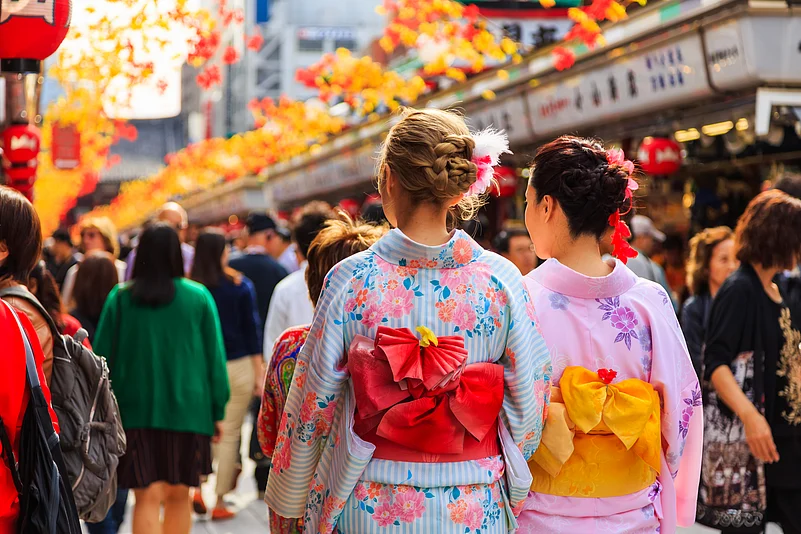
The effects of extreme heat are perhaps most immediate at street level, where everyday movement becomes more difficult and, in some cases, unsafe. In urban areas, travel is not stopping altogether—but it is slowing, shrinking, and, for many, becoming more selective.
Reduced mobility: On days of extreme heat, overall movement can drop sharply, with fewer people heading out for leisure, shopping or social visits.
Shift in how people get around: Walking and cycling often fall away in high temperatures, while public transport use can dip. Air-conditioned cars and taxis become the preferred option, even for short distances.
Uneven impact: Not everyone can adapt in the same way. Lower-income groups are often less able to avoid travelling in peak heat, while older travellers tend to cut back their plans more significantly.
The biggest factors leading to the heatwaves are human activities, primarily the burning of fossil fuels (coal, oil, and gas), deforestation, and industrial processes. The increasing frequency of heatwaves ensures that heat resilience and climate adaptation will play a growing role in future travel planning and tourism management.
The Global Solutions
Several global collaborative plans and networks have been set up dedicated to adapting cities to heatwaves to combat climate change, with a strong focus on nature-based solutions. Some cities around the world are adapting via these common, tested methods.
Cooling Islands (Paris): Creating public spaces 2-4 degrees Celsius cooler than surrounding areas, such as parks and libraries, often listed on apps.
Green Corridors (Medellin and Tallinn): Planting thousands of trees, palms, and plants along streets to reduce temperatures by up to 15 degrees Celsius.
Naming Heatwaves (Seville): Categorising heatwaves similarly to hurricanes, with reverse alphabetical naming, to alert and trigger city responses.

The most popular collaborative global project is the Slow Growth Movement, which emphasises "slower/better" over "faster/cheaper," aiming to balance development with quality of life, environmental protection, and local heritage. It is a coalition of community members, environmentalists, and planners opposing fast-paced, high-density, or suburban sprawl development. It advocates for slow, controlled, planned development that respects the character of existing communities and reduces environmental impact.
The other global movement is called Degrowth, or "Décroissance". It challenges the entire paradigm of economic growth. The movement advocates for a deliberate, democratic downscaling of production and consumption to reduce ecological footprints while improving well-being.

FAQs
How are heatwaves affecting travel plans?
Heatwaves are pushing travellers to change timing and destinations, with many avoiding peak summer travel and opting for cooler months or regions instead.
How do heatwaves impact transport?
Extreme heat can disrupt air travel by reducing aircraft lift and causing delays, while rail services may slow when tracks become too hot.
Are travel seasons changing because of heatwaves?
Yes. Many travellers are shifting away from peak summer months and choosing spring or autumn instead, when temperatures are more manageable.
Is travel insurance more important during heatwaves?
Yes. More travellers are taking out insurance to cover delays, cancellations, and disruptions linked to extreme weather.
How is urban travel affected by extreme heat?
In cities, walking and public transport use often decline during heatwaves, with more people opting for air-conditioned private transport instead.