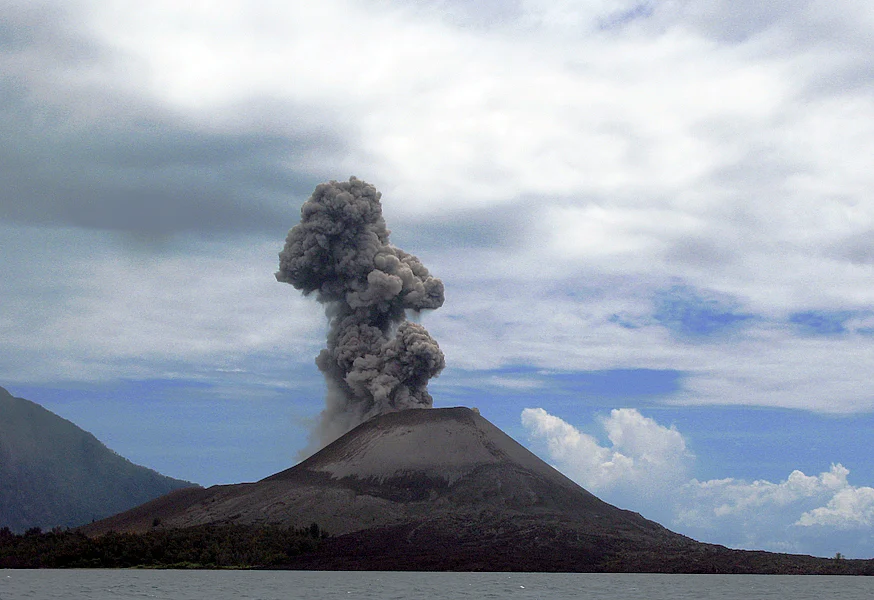
Indonesia’s Anak Krakatau volcano erupted on September 6, 2026, sending volcanic ash as high as 50,000 feet into the sky and triggering widespread disruption to air travel. Eight airports were temporarily closed, nearly 3,000 flights were grounded and more than 340,000 travellers were affected during the two-day disruption.
The major airports have since reopened, but flight operations may take some time to return to normal as airlines clear the backlog and carry out safety checks on aircraft affected by the ash.
Airports Reopen After Ash Clears
Eight airports were temporarily closed after volcanic ash. These included Jakarta’s Soekarno-Hatta International Airport and Halim Perdanakusuma Airport, as well as airports in Java and Sumatra.
The airports began reopening after winds helped clear volcanic ash from affected airspace. By Tuesday, September 8, all major airports, including the two Jakarta airports, had resumed operations.
However, an airport reopening does not necessarily mean flights will immediately operate as scheduled. Airlines are still dealing with cancelled and delayed services, aircraft repositioning and changes to passenger bookings following the disruption.
Nearly 3,000 Flights Affected


The eruption caused a much larger disruption than initially estimated. Nearly 3,000 flights were grounded over two days, leaving more than 340,000 travellers stranded across the region.
The disruption affected flights to and from Jakarta, as well as international services connecting Indonesia with destinations including Singapore, Doha, Sydney and Kuala Lumpur.
Airlines have been instructed to keep passengers informed about cancellations, delays and diversions. Travellers with upcoming flights should check their flight status directly with their airline before leaving for the airport.
Flight Delays Could Continue
Although airports have reopened, travellers could continue to face delays as airlines work through the backlog.
Transport Minister Dudy Purwagandhi said 178 aircraft that were grounded during the disruption would undergo safety inspections, which could lead to further delays as airlines return these planes to service.
Passengers could therefore see changes to flight timings, aircraft assignments and connections even if their departure airport is operating normally.
During the airport closures, airlines were also offered alternative airports for Jakarta-bound flights, including Kertajati in West Java, Juanda in East Java and Semarang in Central Java.
The transport ministry has urged airlines to process refunds quickly for passengers whose flights were cancelled and provide timely updates to those with upcoming journeys.
Is There A Tsunami Warning?
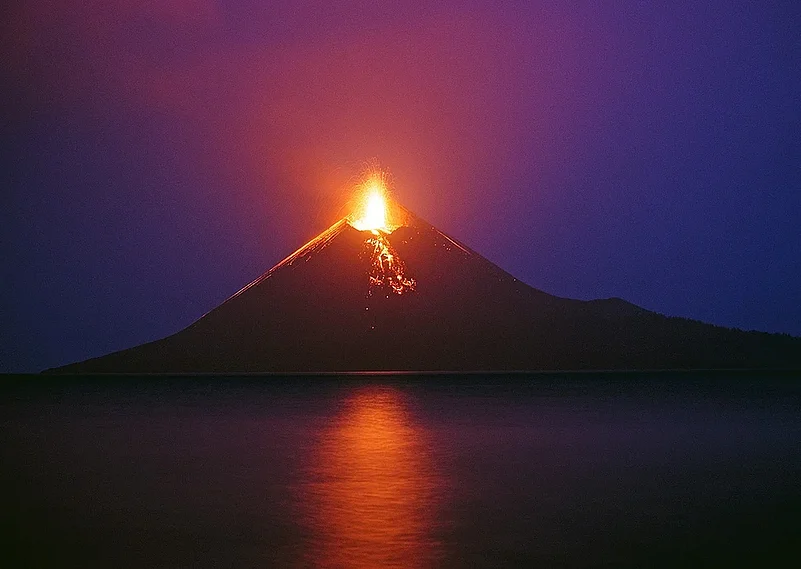
Authorities have confirmed that there is currently no tsunami warning linked to the latest eruption. However, people have been urged to stay away from the volcano and follow the danger zones and safe-distance limits set by local authorities.
Anak Krakatau, meaning “Child of Krakatoa”, emerged from the sea in the early 20th century inside the caldera left by the massive 1883 eruption of Krakatoa.
The volcano famously collapsed in December 2018, triggering a tsunami that killed more than 400 people and affected coastal communities in Java and Sumatra.
What Travellers Should Do
If you are flying to, from or through Indonesia, check your flight status with your airline before travelling to the airport. While the major airports have reopened, delays and cancellations could continue as airlines clear the backlog and complete aircraft safety inspections.
Travellers should also allow extra time for connections and keep their contact details updated with their airline in case of further schedule changes.
(With inputs from various sources)
FAQs
1. What happened during the Anak Krakatau eruption?
Anak Krakatau erupted in early September 2026, sending volcanic ash to altitudes of up to 50,000 feet and disrupting air travel across parts of Indonesia.
2. Which Indonesian airports were affected by the eruption?
Eight airports were temporarily affected by volcanic ash, including Soekarno-Hatta International Airport, Halim Perdanakusuma, Radin Inten II, Budiarto, Pondok Cabe, Muhammad Taufiq Kiemas and Husein Sastranegara. All eight had resumed operations by September 8 after aviation authorities assessed conditions as safe.
3. Are flights to Indonesia operating normally?
Airport operations have resumed, but volcanic activity and ash movement can still affect flight schedules. Travellers should check their flight status directly with their airline before travelling.
4. How high did the Anak Krakatau ash cloud reach?
Indonesia’s meteorological agency reported ash at up to 20,000 feet towards Java and up to 50,000 feet towards Sumatra and surrounding areas.
5. How many flights were affected by the eruption?
More than 1,500 flights across the affected airports were initially reported as disrupted, affecting around 170,000 passengers. Subsequent reports put the wider disruption at more than 2,000 flights as airport and route restrictions continued.