


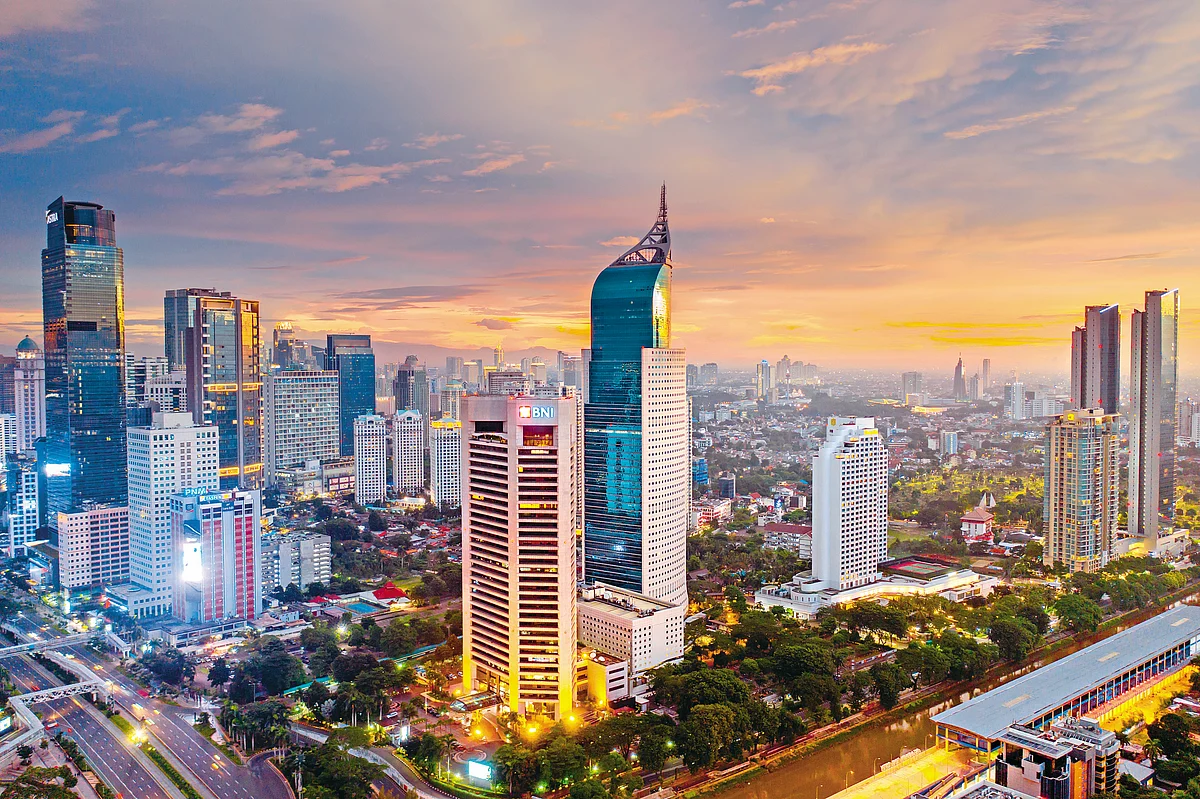
Jakarta has overtaken Tokyo to become the world’s most populous city, according to the latest United Nations data. Indonesia’s capital now boasts an estimated 41.9 million residents, elevating it from second place to the top spot in global urban population rankings. The findings come from the UN’s World Urbanisation Prospects 2025 report, marking a significant shift in global city populations as Jakarta claims its new status as the world’s largest city. The report is published by the UN Department of Economic and Social Affairs (UNDESA).
After Jakarta, Dhaka, the fast-growing capital of Bangladesh, is home to 36.6 million residents. Its rise has been extraordinary: from ninth place in the UN’s 2000 assessment, it is now projected to become the world’s largest city by 2050. Meanwhile, Tokyo, which dominated global city rankings for decades, has slipped to third, with a relatively stable population of 33.4 million, according to the latest UN data.
Cities Drive Global Growth
The UN report highlights that 45 per cent of the world’s 8.2 billion people now live in cities, a proportion set to rise as global urbanisation accelerates. In 1950, the population was 2.5 billion, with only 20 per cent residing in urban areas. By 2050, two-thirds of population growth is expected to occur in cities, with the remainder in towns.
The report also notes that “megacities” – metropolitan areas of 10 million or more – will continue to expand, while rural populations decline, except in sub-Saharan Africa.
Released ahead of COP30 in Belém, Brazil, the report underscores urbanisation’s key role in sustainable development and climate resilience. “Urbanisation is a defining force of our time. When managed inclusively and strategically, it can unlock transformative pathways for climate action, economic growth, and social equity,” said Li Junhua, head of UNDESA.
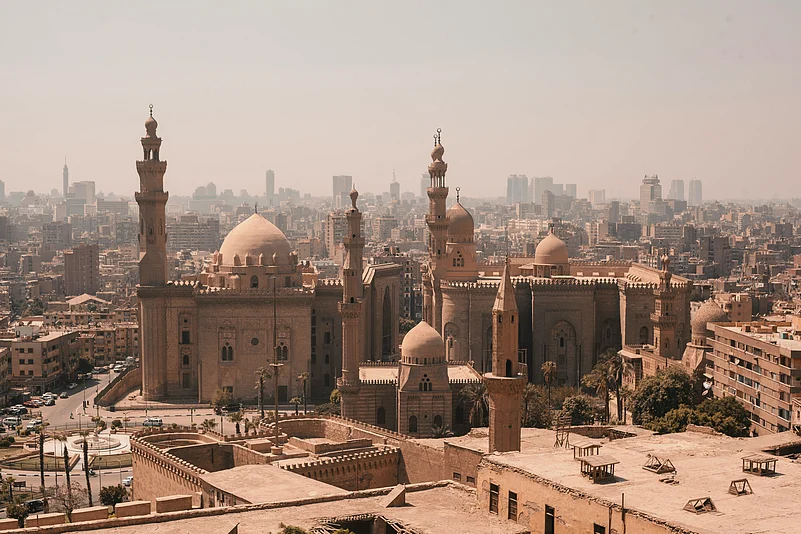
Cairo The Only Non-Asian City Among Top 10

While megacities often dominate headlines, the UN report notes that most population growth is occurring in small and medium-sized cities with fewer than one million residents. These urban areas, particularly across Africa and Asia, are expanding rapidly and now outnumber the world’s largest cities, emerging as the true engines of global urbanisation.
The list of the world’s ten largest cities in 2025 reflects Asia’s dominance: nine are in the region, with Cairo the only city outside Asia. Some established giants, including Seoul and Tokyo, are expected to experience population declines by 2050. The top ten cities are: Jakarta, Dhaka, Tokyo, New Delhi, Shanghai, Guangzhou, Cairo, Manila, Kolkata, and Seoul.
Need For Planning
The report reveals that the world is more urbanised than previously estimated, with 81 per cent of people living in cities and towns. Urban areas are expected to absorb the bulk of global population growth between now and 2050. The findings highlight the urgent need for planned, sustainable, and equitable urban development, including investment in housing, transport, essential services, and climate resilience. India is identified as a key driver of future urban growth, with its population projected to continue expanding across towns and cities, shaping the next wave of global urbanisation.
FAQs
Which city is now the world’s largest?
Jakarta, Indonesia’s capital, has become the world’s most populous city with an estimated 41.9 million residents, overtaking Tokyo.
Which cities follow Jakarta in population size?
The top ten cities in 2025 are Jakarta, Dhaka, Tokyo, New Delhi, Shanghai, Guangzhou, Cairo, Manila, Kolkata, and Seoul. Nine of these are in Asia, with Cairo the only city outside the region.
What is driving urban population growth globally?
Most growth is occurring in small and medium-sized cities with fewer than one million residents, especially in Africa and Asia. Megacities continue to expand, but smaller urban areas outnumber them and drive much of global urbanisation.
How has global urbanisation changed over time?
In 1950, only 20% of the global population lived in cities. By 2025, 45% of people live in urban areas, and by 2050, two-thirds of population growth is expected to occur in cities.
Are all large cities still growing?
Not all. Cities like Seoul and Tokyo, which were long-time leaders, are expected to experience population declines by 2050, even as Asian megacities rise.


